Chinese Porcelain Marks
Marks on Later Chinese Porcelain
It is said, that the only rule that is really certain when it comes to Chinese reign marks, is that most of them are NOT from the period they say. Still the marks are something of a fingerprint of the potter and its time. If carefully studied they offer a great help in identifying the date and maker of most Chinese porcelain. Offered here is an attempt to identify some of the marks on mostly late, trade and export quality porcelain.
This section is about commercial workshop and export marks of the mid 19th century and later.
For further discussions on antique Chinese and Japanese Ceramic Art you are most welcome to join the Gotheborg.com Discussion Board. If you would like my personal help or opinion on something there is a possibility to email me a question, send any number of pictures you like, and help support the site at the same time. Click here to [ Ask a Question ].
The history of the times can be read out of its porcelain. Both high and low was affected by the dramatic events that occurred, which makes the study of the output of the commercial workshop so interesting. As was the case during the latter part of the Ming dynasty, the porcelain of the private kilns during the latter part of the Qing dynasty was sometimes better than the Imperial wares. The periods of the 20th century I am currently trying to differentiate between are so far:
- Late Qing (1875-1916)
- Early Republic (1917-35)
- Late Republic (1935-49)
- Early PROC (1949-1966)
- Cultural Revolution period (1966-76)
- Late PROC (1976-1995)
- 21st Century (1995-)
 Jan-Erik Nilsson
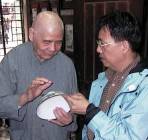
This page has been created together with expert members of the Gotheborg Discussion Board and during the first years in particular by the dedicated help of Mr. Simon Ng, City University of Hong Kong, whose translations and personal efforts in researching the origin and dates of these various later Chinese marks has been an invaluable resource. Here (right) meeting porcelain merchant Mr. Kung, Hong Kong, former owner of the Waa Lee porcelain company (left) during a visit to Hong Kong in 2001.
| Bo Jia, Zhong Wangguo Jia Bo Shi - 中王國賈伯氏 |
|---|
| Middle Kingdom, Modern porcelain factory in Jingdezhen founded by Bo Jia and Alison Alten in 1998 near the old imperial kilns in Jingdezhen. Specializing in modern interpretations of classical designs and glazes. Use electrical turning wheels and gas heated kilns for better control. All pieces correctly marked and signed.
|
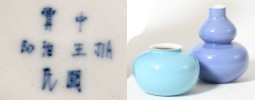 |
1592. Mark: Bo Jia, Zhong Wangguo Jia Bo Shi. Contemporary art porcelain, designed by Bo Jia. |
| Brown etched marks (Continue to section ->) |
|---|
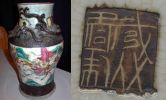 |
307. Chenghua Nian Zhi (Chenghua Period Make). Late 20th century, post "Cultural Revolution". |
| 'Cathay' brand
|
|
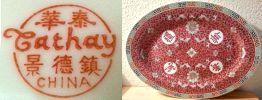
1442. Serving platter. Mark: Huatai 'Cathay' Jingdezhen 'CHINA'. Top side decoration rim, simple cloud design (yunwen), m-shaped scrolls possible represents simplified bats (same-sounding as the word 'fu'- good fortune or happiness). The characters in the four white panels read counter-clockwise from bottom left wanshou wujiang - (boundless longevity). Barely visible among the fu-scrolls are two shou characters for 'longevity'. Modern, contemporary Chinese export porcelain, probably 1985-2000. Decoration occurs on porcelain from Early Republic and onwards. Earlier version are hand drawn.
 Click here to see large picture
.
Click here to see large picture
.
|
| Chun Lung Sang, Hong Kong decorated |
| "Chun Lung Sang was a large shop in Central Hong Kong, at Queen Victoria Street just opposite the Central Market. That was the main shop. There were other shops in Kowloon and New Territory. It was first owned by Mr. Li, who had been around longer than anyone could remember. In 1964 Mr. Li sold his business then located in Shan Wan, to Mr. Fung, Mr. Young, Mr. Wong and Mr. Kung (owner of the Wa Lee Co.). It was then moved to Central, and ran there from 1965 to 1995."
|
|
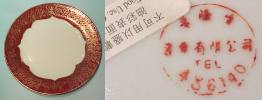
376. Mark: Chun Lung Sang, Ci Yi You Xian Gong Ci, Tel 436140, Chun Lung Sang Porcelain Company Ltd.
With 'lead warning' label. In 1997 a HK Concumer Council Report was released about that some decorative porcelain with heavy lead content may damage health. Labels like this seems to have been added from that time. Compare also mark # 309
Click here to see large picture
.
|
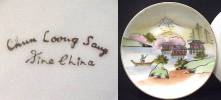 |
436. Mark: Chun Lung Sang. Possibly porcelain made in Japan, with thin, light, shallow foot rim. Entirely different from most HK decorated pieces.
Decorated in Hong Kong and in person dated by porcelain merchant Mr. Kung, Hong Kong, to the 1960s, while visiting his shop in 2001.
Dish "A" Click here to see large picture
.
Dish "B" Click here to see large picture
.
|
| Da Ya Zhai - Grand Elegant Court (Studio of the Greater Odes) |
The mark Dayazhai (Studio of the Greater Odes) has been associated with the Dowager Empress Cixi. No such hall has been identified but a wooden framed plaque has been found in the Imperial workshops, bearing the characters Dayazhai and with one of two seals reading Tiandi Yijia Chun. The findings was published in 2007, and according to the authors, in the 12th year of Tongzhi (1873) work began on the restoration of the Summer Palace Yuanmingyuan, and by 1874, the interior of the Tiandi Yijia Chun would have been in need of furnishing.
Rosemary Scott has suggested in 2008 that the new-style Dayazhai Porcelains were not produced until the Guangxu reign, and by the second year of Guangxu, 4,922 porcelains were produced bearing both Dayazhai and Tiandi Yijia Chun marks. As the restoration of the Yuanmingyuan had been halted for economic reasons, the vessels would have been delivered to the Forbidden City.
The ground colour yellow, is probably the rarest to find on Dayazhai ceramics because of the long-established Imperial connotation of using yellow on objects and textiles associated with an Emperor or Empress.
|
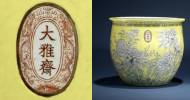 |
1478. Fish bowl. Mark: Da Ya Zhai - Grand Elegant Court. Diameter: 53.3cm (21 inch). Guangxu period.
Click here to see large picture
|
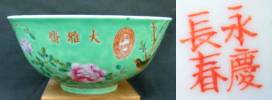 |
430. Mark: Yong Qing Chang Chun Cerebrating Forever Endless Spring. Dayazhai - Grand Elegant Court. Copy of porcelain made for the Empress Dowager Cixi, this bowl probably from the Guangxu period.
Click here to see large picture
|
| FACTORY NAMES |
|---|
|
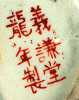
114. Yi Qian Tang (factory name) Long Nian Zhi (Made in the year of the Dragon). Likely to be from the 1980s. |
|
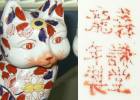
767. Yi Qian Tang (factory name) Long Nian Zhi - (Made in the year of the Dragon). Likely to be from the 1980s.
The porcelain figure are likely to have been made in China and decorated at the Overjoy Porcelain Factory or maybe at Ah Chou Factory
(The owners of the 2 factories are related). These two porcelain decoration 'factories' specialized in decorating blank porcelain dinnerware and objects, such as the cats, flower pots, vases, candlesticks, etc., mainly for foreign "expats" who had moved to Hong Kong. The blanks for the dinnerware came from Japan, while the blanks for the other objects usually came from China. There are sample patterns, or customers can make up their own design, or the factories will also copy any pattern the customer prefers. They were proud of the fact that the enamels for decorating their wares all came from Germany, thus were safe vis a vis
food consumption, unlike some of the dinnerware from China. The blue that is painted on this cat is the standard dark non-cobalt blue that they used, and still do use. If one wanted they also had a lighter cobalt blue.
Info submitted by: Sarah Parnell, 2003
Click here to see large picture
.
|

|
113. Mark: Yi Xing Long (factory name) Zhu (made) on Fencai enamels. Flask dated 1909.
Click here to see large picture
.
|
|
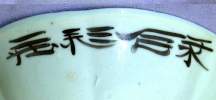
141. Yong Ge Cai Zhung - Yong Ge Enamels Factory. 20th century.
Click here to see large picture
.
|
|
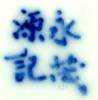
324. Mark: Yong Mao Yuan Ji - Yong Mao Yuan (name) Company. Possibly a late Qing Porcelain Factory. This mark could still be late 20th C.
|
|
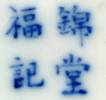
325. Mark: Jin Tang Fu Ji - Jin Tong Fu (name) Company. Possibly a late Qing Porcelain Factory. This mark could still be late 20th C.
|
|
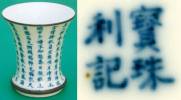
327. Mark: Bao Zhu Li Ji - Bao Zhu Li (name) Company. Possibly late 20th C.
|
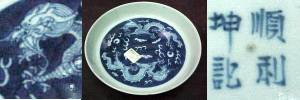 |
333. Mark: Shun Li Kun Ji - Shun Li Kun Company. "Shun Li" = smooth, easy, "Kun" is a single word name, "Ji" = company. Late 19th/early 20th century, before 1920.
Click here to see large picture
.
|
|
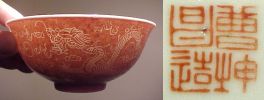
294. Mark: Cao Kun Chang Zao - Cao Kun Chang (Company) Made. Mark is of good quality but rubber stamped. Coral red bowl with incised dragon. 1910-30.
|
|
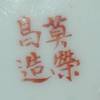
187. Mark: Mo Rong Chang Zao - Mo Rong Chang (Company) Made. Mark on modern Chinese porcelain spoon. |
|
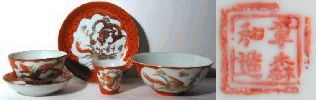
159. Mark: Zhang Sen Han (Company) Zao (Made). 1960s, decorated in Hong Kong? |
|
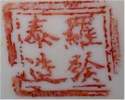
386. Mark: Luo Fa Tai Zao - Luo Fa Tai (Factory) Made. Probably 1950s |
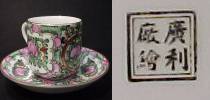 |
319. Mark: Guang Lee Chang Hui - Guang Lee Factory Painted. 1960.
Decorated in Hong Kong.
Date by Mr. Kung, porcelain merchant in Hong Kong.
Click here to see large picture
.
|
|
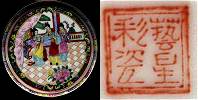
392. Mark: Yi Xing Cai Ci - Yi Xing Company Enamel Porcelains. Tentative date 1980 or later.
|
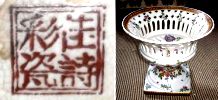 |
1290. Mark: Zhui Shi Cai Ci - Zhui Shi Company Enamel Porcelain. Tentative date 1950s or earlier.
Click here to see large picture
.
|
|
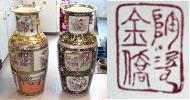
395. Mark: Xu Qian Shi Ci. The three first characters (Xu Qian Shi) are a name and the forth, "Qi", means just "porcelain". Modern mark, last decades of the 20th century. |
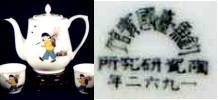 |
570. Mark: Diao Yu Tai Guo Bin Guan and Tao Ci Yan Jiu Suo. "Diao Yu Tai" is where all the foreign important people are treated and met. Guo Bin Guan means "State Guests Lodge" and Tao Ci Yan Jiu Suo means "Ceramics Research Institute". Dated 1962.
Click here to see large picture
|
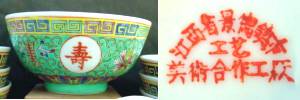 |
428. Mark: Jiangxi Sheng Jingdezhen Shi Gong Yi Mei Shu Ge Zuo Gong Chang -"Jiangxi Province, Jingdezhen City, Arts and Crafts Cooperative Factory.", mid 1950s.
This mark belongs to a period when private kilns at Jingdezhen were organized as cooperatives. The cooperative movement at Jingdezhen began in late 1952, continuing into 1956, maybe into 1957. In this mark the name for cooperative he zuo she is abbreviated to he zuo. The character for factory chang is not yet simplified as it would be with the introduction of simplified characters in 1956. (Information courtesy of Freda Murck, Beijing, 2004)
Click here to see large picture
|
| Guangdong Gong Yi - Canton Art |
|
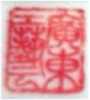
119. Guangdong Gong Yi (Canton Art) on bowl with Rose Mandarin decoration, supplemented with sticker saying "decorated in Macau". Mid 20th century. The sticker might have been applied for the purpose of avoiding tax, since it actually are a sticker and not stamp, and the whole thing might be from Canton anyway.
|
| Guanyao nei zao - 官窑内造 - "Made in the Official Kiln |
|
The mark Guanyao nei zao (官窑内造) directly translates to "Made in the Official Kiln" directly referring to the former Imperial porcelain factory at Zhushan (Pearl Hill), Jingdezhen, Jiangxi Province. This stamped, four-character, iron-red mark is found on commercial and decorative wares at the end of the Qing Dynasty, implying a connection to the Imperial kiln. Some literary sources appear to support the possibility that pieces bearing this mark might have been produced within the imperial kiln area at Zhushan (Pearl Hill), utilizing its facilities and workforce.
|
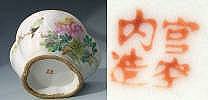 |
671. Three lobed bowl, with calligraphy in dull black enamel "Flowers dancing in the breeze, Spring arrives, birds find their tunes", dated "1892". Red base mark Guanyao nei zao (Made in the Official Kiln) same as #660, dated 1903.
Click here to see large picture
|
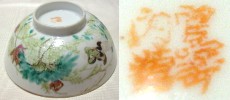 |
686. Bowl. Red base mark Guanyao nei zao (Made in the Official Kiln). Dated mid summer 1895. Inscription reads Shi Zai (at the time of) Yi Wei (matching year 1895) Zhong Qiu (mid summer) Qing Shu (Artist name).
Click here to see large picture
|
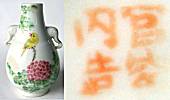 |
660. Small vase with elephant handles, with long trunks. Calligraphy in dull black enamel, dated 1903. The yellow bird is probably "The Great Spring Scholar" which singing signals the arrival of Spring. Red base mark Guanyao nei zao - (Made in the Official Kiln) same as #671
Click here to see large picture
|
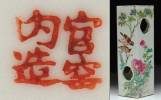 |
1155. Six sided hatstand with six medallion shaped openings. Decorated with bird and flowers on one side and a landscape on the other side. Later qianjiang style. Red base mark Guanyao Nei Zao meaning 'Made in the Official Kiln'. Mark occurs in-between c. 1890 to 1903.
Click here to see large picture
|
|
Hall's / Buyer's names |
|
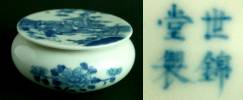
562. Shi Jin Tang Zhi ,-"Shi" means generations, "Jin" means glory, forever glories? Probably early Republic, c. 1910-30.
|
|
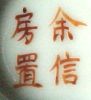
288. Xushenfang Zhi "Xu Shen Estate Ordered / made to order by Xu Shen House". Probably early Republic, c. 1920. |
|
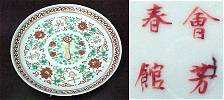
440. Plate says: Ru Yi Ji Xiang , common greetings. Mark says : Gui Fang Chun Guan where Gui - (gather) Fang - (fragrant) could be a girl's name, Chun is spring, young, tender, joy and Guan is an inn or a lodge. Tentative translations "Gui Fang's maiden lodge" or "The Spring Month of Gathered Scents". Tentatively Daoguang (1821-1850) period.
Click here to see large picture
.
|
|
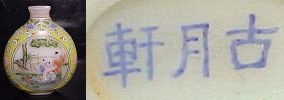
291. "Guyue Xuan", Mark on Chinese Snuff Bottle, Glass, 20th century.
Since this is a modern piece the details on the "Guyue Xuan" will be dealt with at some other time and place. To summarize "Guyue Xuan" might be a Qing Court room, but no evidence has been established. Some have it, it was made by a master potter of the Qing Court named "Wu", as "Gu Yue" put together becomes "Wu", which is a common surname. Some are satisfied by "Guyue Xuan" as a referral to a particular enamels decoration.
Click here to see large picture
.
|
|
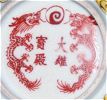
292. Mark: Da Xiong Bao Dian. "The hall of great elegance" Litt.: "Great Mighty Holy Temple". Mid to late 20th century date.
Buddhist temples are made up of several buildings, of which any central temple would have this name displayed right across at the top center. See also # 305.
|
|
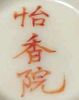
286. Mark: Yi Xiang Yuan Joy Beauty Garden / Paradise of Joy and Beauty. Mark on Chinese porcelain erotic cup. 1970 or later. |
|
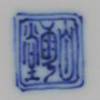
284. Transformed style of seal mark, hard to make out the meaning but, could be "Hall of Hundred Tortoises". It is 20th century and could quite possibly be a Japanese mark imitating a Chinese. The cut off corners of the double framed seal is a significant feature which the painter seems to be unaware of.
|

|
323. Re Shen Zhen Cang,-"Re Shen (name) Precious Treasure".
This mark is found on a large group of blue & white porcelain. The mark first appeared in the Kangxi period and became popular in the Late Qing to the Early Republic period (1900-1950). Widely used in modern replicas.
|
| Hong Kong, Decorated in (written in Western characters) |
| Since adding enameled decoration on white porcelain is a small scale business that could be set up anywhere with very little capital, porcelain decorators probably moved from Canton to Hong Kong to set up shop there immediately by the time of its founding in the 19th century.
The Hong Kong porcelain trade hit its peak in the 1960s, with just over a hundred workshops in the Territory only. At this time the demand for Hong Kong decorated porcelain forced the workshops to also import white porcelain from Japan to be decorated in Hong Kong. Some trading agents specifically ordered plain porcelain from Japan. The quality and price appears to have been the same as the Chinese.
The porcelain trade thrived until the 1970s when trade, stocks and shares and the whole city began to take off in mid 80s, gradually making the HK properties the most expensive in the world. At this time porcelain trading, who requires large shop areas, was gradually pushed out of the game.
Under this headline we will try collect all marks used by the Hong Kong enameling workshops.
|
|
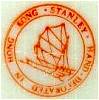
368. Stanley, Hand Decorated in Hong Kong. Mid 20th century. |
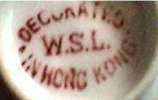
|
56. W.S.L. DECORATED IN HONG KONG |
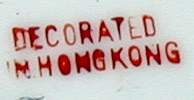
|
179. "Decorated in Hong Kong", mark on modern porcelain spoon |
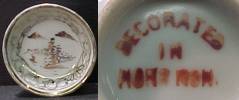
|
272. "Decorated in Hong Kong", mark on porcelain dish dated by Mr. Kung, porcelain merchant in Hong Kong, to 1960.
Two dishes and marks # 272 and # 273
Click here to see large picture
.
|
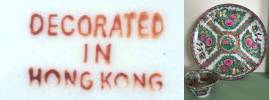
|
1511. "Decorated in Hong Kong", mark on porcelain dish and lotus shaped cup. Tentatively 1960-80s.
Click here to see large picture
.
|
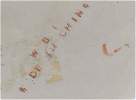
|
143. W.B.I. MADE IN CHINA. Appears to be a Canton or Hong Kong enameled vase. Early to mid 20th century. |
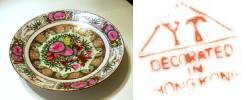
|
146. "Y.T. Decorated in Hong Kong". Modern "Rose Medallion" plate. Late 20th century. |
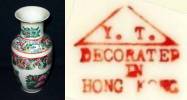
|
924. Mark: "Y.T. Decorated in Hong Kong". Modern "Rose Medallion" plate. Late 20th century.
Click here to see large picture
|
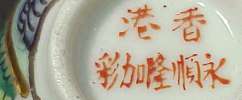
|
262. Mark: Hong Kong Wing Suen Lung Added Enamels. "Wing Suen Lung Factory" was owned by Mr Seto in Sai Wan Ho, East part of HK island in the 1950s. Mr. Seto ceased the business and immigrated to Canada in 1965. Date c. 1960.
Click here to see large picture
.
|
|
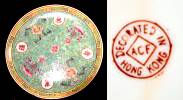
712. Mark: "AFC-Decorated in Hong Kong", Date: Fourth quarter of 20th century.
|
|
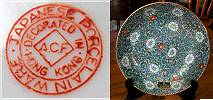
1395. Dish. Printed mark in good quality: ACF, Japanese Porcelain Ware, Decorated in Hong Kong. Date: Most likely around 1970.
Click here to see large picture
|
|
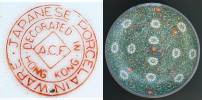
1460. Dish. Printed mark in good quality: ACF, Japanese Porcelain Ware, Decorated in Hong Kong. Date: Most likely around 1970.
Click here to see large picture
|
| Hongxian Nian Zhi (1916) |
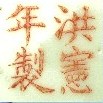
| This mark should if correct, date to the year 1916 when Yuan Shikai made himself the Emperor of China after the Qing Dynasty was overthrown by Dr. Sun Yat-Sen in 1911. His Empire was soon ended in March 1916 and his period lasted less than 100 days. The 20 November 1915 Yuan held a political convention which endorsed monarchy. By 12 December, he proclaimed his reign as Emperor of the Chinese Empire under the era name of Hongxian i.e. "Constitutional Abundance" to begin on 1 January 1916. Due to massive opposition funding for the ceremony was cut on March 1st and he abandoned monarchism on March 22 after which he eventually died, humiliated, on the 5th of June. It is my opinion, that none of these marks actually dates to the Hongxian period but probably not earlier than the 1930s. |
|
100. Hongxian Nian Zhi (Hongxian Period Make). The mark probably from the 1930s |
| Hua Ping Tang Zhi - 华平堂制 - Hua Ping Hall Make |
| Later Chinese porcelain with thinly applied enamels. Similar to the WL1895, being the mark of the Hong Kong manufacturer United Wilson. All pieces with marks of this kind appears to date to the last quarter of the 20th century. |
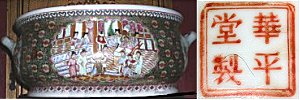
|
769. Mark: Hua Ping Tang Zhi - Hua "China", "Magnificent", Ping "even", "level", "democratic" or a surname, Tang "Hall", Zhi made. Submitted picture very small but if the enamels are very thin the decoration is probably printed and the tureen should date to 1975-2000.
|
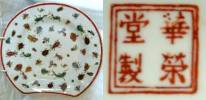
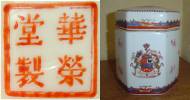
| Hua Rong Tang Zhi - 华荣堂制 - Hua Rong Hall Make |
While "Hua Rong Tang Zhi" (华荣堂制) can be roughly translated as "Hua Rong Hall Make", its exact meaning is yet to be established. While 'Tang' previously held the meaning of the intended destination, for this later use, we can guess that the 'Hua Rong Tang' is more likely one or many companies, factories or guilds that was somehow involved in the production or sale of the porcelain carrying this mark.
The "华 (Hua) is a complex character with multiple meanings. It is commonly used to refer to China or the Chinese people (as in Zhonghua, 中华, another name for China). It can also mean 'magnificent', 'flourishing', or 'splendid', often used in the context of describing a glorious culture or civilization. "荣" (Rong) also has several meanings, including 'glory', 'honor', 'prosper', and 'flourish'. Thus the combination "华荣" could potentially be read as 'flourishing glory', 'magnificent honor', or even 'prosperous China'. Porcelain carrying this mark is typically later Chinese porcelain with thinly applied enamels, sometimes embellished with gilded metallic ornaments, similar to that on the WL1895, being the mark of the Hong Kong manufacturer United Wilson. While it has been argued in Chinese collectors' circles that this mark traces its origin back to as early as the late Qing dynasty, all pieces with marks of this kind that I have seen, appears to date not earlier than the last quarter of the 20th century. Before accepting an earlier date we would need further evidence such as family history, solid provenance, archive data, published documents such as catalogs or advertising, or actual archaeological data of which I have so far not seen any.
|
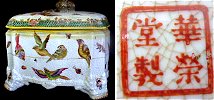 |
605. Date: Probably 1970 or later.
Click here to see large picture
|
|
926. Date: Probably 1970 or later.
Click here to see large picture
|
|
1094. Date: Probably 1970 or later.
Click here to see large picture
|
|
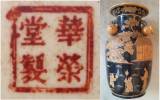
1472. Vase with two peaches, applied on each side of the neck. Inside the neck residues of a paper label which seems to have read "Decorated in Hongkong" which seems likely. Tentative date last quarter of the 20th century, probably ca. 1980s.
Click here to see large picture
|
|
Impressed marks |
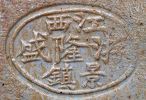 |
1468. Mark: Jiangxi (province), You Long Sheng (shop name), Jing (de) zheng (town)
Click here to see large picture
|
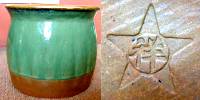 |
579. South Chinese, Shekwan - (Shiwan), mid to late 20th century.
Click here to see large picture
|
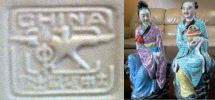 |
1464. Chinese figures, two of The Eight Daoist (Taoist) Immortals - Ba xian - He Xiangu and Lan Caihe, mid to late 20th century. Mark "CHINA" and a factory name. Text written from right to left. Tentative date mid to late 20th century.
Click here to see large picture
|

|
787. Mark: Guan, "Imperial". Modern, Longquan (Celadon) ware, probably year 2000 or later. Similar mark is also found on white wares with blue and red decoration inside the porcelain. Also modern ware.
Click here to see large picture
|
|
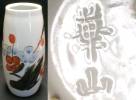
127. "Hua Shan" were Shan=mountain.
Hua Shan is a well known mountain, renown for its beautiful pine trees and breath taking scenery, in Shaanxi Province. Here probably used as a brand or factory name. Late 20th century.
Click here to see large picture
|
|
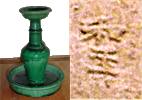
709. Mark: He Yu - "He" Jade. Shiwan pottery candlestick. The mark and tidy round hole in the base points at a mid 20th century date.
|
|
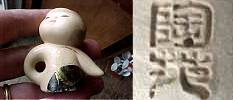
434. Mark: "Pottery Studio / Home". Modern, made in Taiwan?
|
|
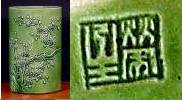
371. Possibly an effort to copy a "Wang Bing Rong" mark.
|
|
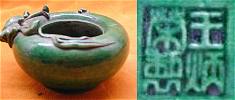
112. Wang Bing Rong Zhi (Wang Bing Rong Made). Mark probably early to mid 20th century. |
|
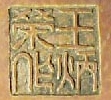
280. Wang Bing Rong Zuo (Wang Bing Rong Made). Note the use of "Zuo" (created) rather than the more profane "Zhi" (made). Mark probably from mid 20th century. |

|
125. Wang Bing Rong Zuo (Wang Bing Rong Made), a notable potter specializing in porcelain with carved decoration, almost like ivory carvings, active in Tongzhi to Guangxu period (1862-1908). Note the use of "Zuo" (created) rather than the more profane "Zhi" (made). Mark from the period. |
|
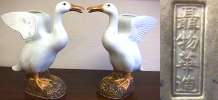
256. Nie Mu Hua Zao (Nie Mu Hua Made). Probably mid 20th century, mark looks "pre cultural revolution" in style. |


|
105, 106. Yu Sang Sing (factory name) Zuo (made). For 18th-early 20th century factory marks; very often the factory was named after the founder. Yu Sang Sing was most likely founded by "Yu Sang Sing". This mark is combined with an impressed "CHINA" mark on the base of an enameled Phoenix bird. Second quarter of the 20th century. |
|
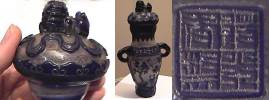
321. Vase, "Peking glass" with lid. Mark: Daoguang Nian Zhi - "Daoguang (1821-50) Period Make", but probably 1910-30.
|
|
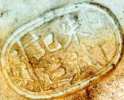
76. Zhu Mao Ji Zuo - "Zhu Mao Company (Ji = Company) Made". A character by the left side of Zhu Mao Ji Zuo looks like " Jin Zhen", probably Jingdezhen. Molded figure, probably Guangxu period or slightly later. For 18th-early 20th century factory marks; very often the factory was named after the founder - Zhu Mao Ji was most likely founded by "Zhu Mao".
Click here to see large picture
|
|
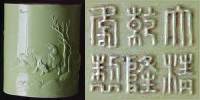
391. Mark: Da Qing Qianlong Nian Zhi. Meaning: "Great Qing Qianlong Period Make". Probably late 19th-early 20th century.
|
|
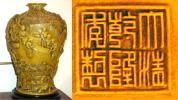
705. Mark: Da Qing Qianlong Nian Zhi - "Great Qing Dynasty, Qianlong Period, Made".
Click here to see large picture
|
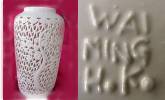 |
577. "Wai Ming", Hong Kong. Late 20th C.
Click here to see large picture
|
|
766.
Click here to see large picture
|
|
744.
Click here to see large picture
|
| Jiangxi Ciye Gongsi |
| "Jiangxi Ciye Gongsi" (Jiangxi Porcelain company) was the largest porcelain factory in Jingdezhen during the first half of the 20th century and in general felt being the organization that replaced and absorbed much of the talent and resources from the Imperial porcelain factory when it fell in abandonment after the fall of the Qing dynasty. It was established in 1910 and eventually nationalized and its name changed to Jianguo Cichang in 1949.
|
|
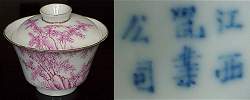
169. Jiangxi Ciye Gongsi (Jiangxi Porcelain company). The most important factory in Jingdezhen. Established in 1910, nationalized and its name changed to Jianguo Cichang in 1949. This mark probably somehow related to #158. |
|
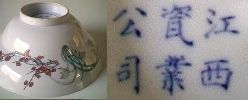
308. Jiangxi Ciye Gongsi (Jiangxi Porcelain company). Early to mid 20th C ?
|
| Jiangxi Jingdezhen Chu Pin (Jiangxi Jingdezhen Production) |
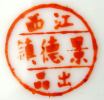
|
216. Mark: Jiangxi Jingdezhen Chu Pin (Jiangxi Jingdezhen Production)
|
| Jiangxi Jingdezhen Min Ci - (Jiangxi Jingdezhen Reputable Porcelain) |
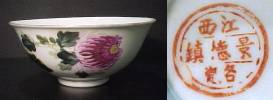
|
437. Jiangxi Jingdezhen Min Ci (Jiangxi Jingdezhen Reputable Porcelain).
The mark says Jiangxi but according to HK porcelain dealer Mr. Kong, this is painted in HK.
Style and enamels do looks HK. Note absence of factory #.
Click here to see large picture
|
| Jiangxi Jingdezhen Min Ci # - (Jiangxi Jingdezhen Reputable Porcelain Factory #)
MORE >>
|
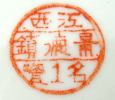
|
213. Jiangxi Jingdezhen Min Ci (Jiangxi Jingdezhen Reputable Porcelain). Factory # 1. |
| Jiangxi Zhen Pin - (Jiangxi Precious Product) |
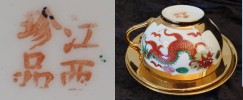
|
1589. Tea set, gold and enamels. Mark Jiangxi Zhen Pin, Jiangxi province precious product. Tentative date last quarter of the 20th century.
Click here to see large picture
|
| Jingdezhen Ci Ye Gong Si Chu Pin (Jingdezhen Porcelain Company Production) |
|
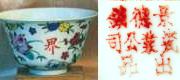
158. Mark: Jingdezhen Ci Ye Gong Si Chu Pin - Jingdezhen Porcelain Company Production. Mark probably somehow related to # 169.
|
| Jiujiang Chan Yucheng You Zao - ("You" short for "youxian gongsi" meaning ltd. or inc.) |
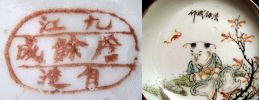 |
1431. Mark: Jiujiang Chan Yucheng You Zao ("You" short for "youxian gongsi" meaning ltd. or inc.) Date: Style of decoration consistent with a date around 1912.
Click here to see large picture
|
| Kangxi (For genuine marks of the period, see Qing dynasty page) |
|
Kangxi marks are by far the richest group compared to all other period marks. Many also consider Kangxi porcelain the peak of Chinese porcelain and some Kangxi fakes are the most difficult of all to tell.
Genuine marks from the period: During most of the Kangxi reign the emperor's mark was not allowed to be used, so other symbols, or frequently the nian hao of the Ming emperor Chenghua's period took its place. There could also be used just two empty circles with no mark within, or even no mark at all, or 4 character hallmarks or other symbols or marks of commendation. Late in the period the order was rescinded and a 6-character reign mark was permitted. The only time a Kangxi Imperial mark appeared without the circles was on the peach bloom wares and certain other scholar's table items and it is (almost) always 6 characters, written either in two horizontal lines or two vertical columns. Some Imperial pieces decorated at the Palace Workshops that were made late in the reign had a four character reign mark, but they are always enclosed by a double square and are almost always written in over glaze blue enamel.
Copies and later marks: As a general rule, all four character Kangxi Nian Zhi marks written inside double circles or without circles are from the end of the 19th century or later. Items made in the manner of or style of Kangxi in the 19th C many times do have four character reign marks. This makes it easy to tell at a glance in most cases whether the piece is really from the Kangxi period or not. Some of these pieces are very close in style to the originals but if you compare them to genuine Kangxi wares the paste, glaze, footrim and the blue is different.
Crude attempts to mimic Imperial marks are sometimes found on minyao wares but generally this is not the case on export wares, as most bear no marks. Red four character Kangxi Nian Zhi marks within a square becomes particularly popular during the 1970s.
|
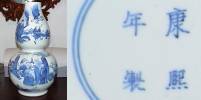 |
572. Kangxi Nian Zhi -"Kangxi Period Make". C. 1900-1910.
Click here to see large picture
|

|
401. Kangxi Nian Zuo - "Kangxi Period Make". Early 20th Century.
|
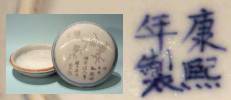 |
336. Kangxi Nian Zhi - "Kangxi Period Make", c. 1920.
Click here to see large picture
.
|
|
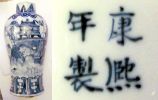
797. Kangxi Nian Zhi - "Kangxi Period Make". Early 20th century, c 1920
Click here to see large picture
|
|
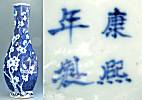
675. Mark: Kangxi Nian Zhi - "Kangxi Period Make" but c. 1880.
Click here to see large picture
|
|
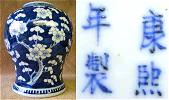
732. Mark: Kangxi Nian Zhi - "Kangxi Period Make" but c. 1900.
Click here to see large picture
|
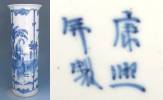 |
676. Mark: Kangxi Nian Zhi - "Kangxi Period Make" but from the Guangxu period, c. 1890.
Click here to see large picture
.
|

|
90. Kangxi Nian Zhi - "Kangxi Period Make" |
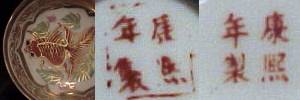 |
332. Kangxi Nian Zhi - "Kangxi Period Make", 1960s.
Decorated in Hong Kong.
Date by Mr. Kung, porcelain merchant in Hong Kong.
Click here to see large picture
.
|
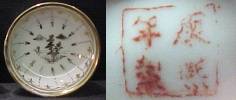 |
273. Kangxi Nian Zhi - "Kangxi Period Make", c. 1960.
Decorated in Hong Kong.
Date by Mr. Kung, porcelain merchant in Hong Kong.
Click this to see a large picture of two dishes and marks # 272 and # 273.
|
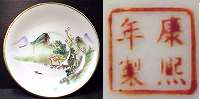 |
259. Kangxi Nian Zhi - "Kangxi Period Make", c. 1970.
Decorated in Hong Kong.
Date by Mr. Kung, porcelain merchant in Hong Kong.
Click here to see large picture
|
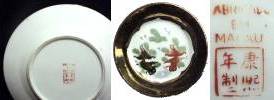 |
331. Kangxi Nian Zhi - "Kangxi Period Make", 1960s.
This dish is decorated in Hong Kong and the date suggested by Mr. Kung, porcelain merchant in Hong Kong.
The line "ABRIGADO EM MACAO" (Greetings From Macau) mark could be a tax or export consideration.
|
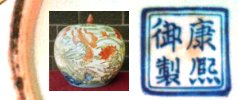 |
412. Lidded Jar. Kangxi Yu Zhi - "Made to the order of the Emperor Kangxi". Late 20th century.
|
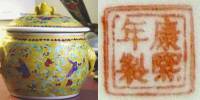 |
695. Kangxi Nian Zhi - "Kangxi Period Make", probably c. 1960s
Click here to see large picture
|

|
571. Mark: Da Qing Kangxi Nian Zhi - "Great Qing dynasty Kangxi Period Make". 20th century.
Click here to see large picture
|
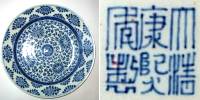 |
816. Mark: Da Qing Kangxi Nian Zhi - "Great Qing dynasty Kangxi Period Make". Probably 1890-1910
Click here to see large picture
|
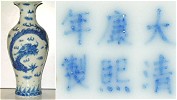 |
780. Mark: Da Qing Kangxi Nian Zhi - "Great Qing dynasty Kangxi Period Make". Mark with typical "hollow line". Date probably first decades of the 20th century, 1900-1930.
Click here to see large picture
|
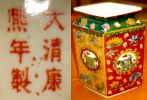 |
1235. Mark: Da Qing Kangxi Nian Zhi - "Great Qing dynasty Kangxi Period Make". Probably after Cultural Revolution, second half 20th century.
Click here to see large picture
|
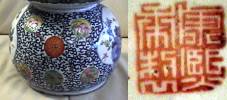
|
322. Kangxi Nian Zhi - "Kangxi Period Make". Mid 19th century to possibly early 20th century.
|
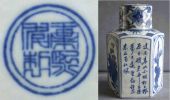
|
1221. Tea canister, mark: Kangxi Nian Zhi - "Kangxi Period Make". Date: Mid 20th century.
Click here to see large picture
|
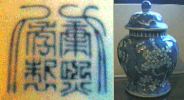
|
1376. Ginger jar with traditional "prunus/plum blossom" decoration. Mark: Kangxi Nian Zhi - "Kangxi Period Make". Date: Mid 20th century before 1975, and then probably also before the Cultural Revolution (1965-75).
Click here to see large picture
|
| Liling, Henan province |
| Qing dynasty kiln area in Henan. Pioneered underglaze polychrome decoration with Japanese help in the first decades of the 20th century. Modernized in 1908 and active as Hunan Porcelain Company until 1930 when it closed. In 1956 production was resumed under Liling Porcelain Company.
|
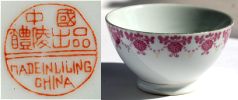 |
1500. Liling Porcelain Company. Modern Liling folks ware from the second half of the 20th century, ca. 1980.
Click here to see large picture
|
| "Made in China" |
| From 1919 "CHINA" was to be replaced by "Made in China" on all Chinese export to the US. Even if "CHINA" continued to be used for a long time, we can still assume that no marks with the full text "Made in China" is from before 1919 and more likely to be from the second WW or later.
|
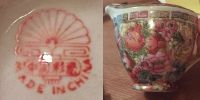 |
1465. Mid 20th century 1930s to 1960s.
Click here to see large picture
|
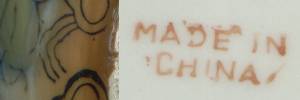 |
494. Late 20th century. Tentative date 1980s.
Click here to see large picture
|
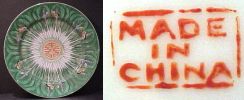
|
290. Mid 20th century, probably 1960s.
|
|
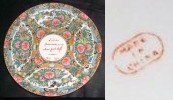
631. Dated in the inscription to 1936. Mark: Made in China
Click here to see large picture
|
|
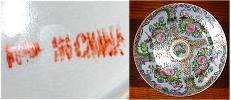
1105. Mark: Made in China, tentative date 1930s, possible slightly before WWII.
Click here to see large picture
|
|
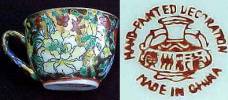
560. Mark: Hand-painted decoration, Made in China. Probably 1960s. |
|
442. Mark: Hand painted Made in China , Mid 20 century, probably 1960s or later.
|
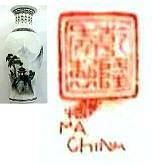 |
3. Mark: Qianlong Nian Zhi - "Qianlong Period Make". Export seal mark. "MADE IN CHINA". In the smudged area between "MA(DE IN) CHINA" and the seal mark, there seems to be the beginning of "Zhongguo (.. Jingdezhen China?)" which would indicate a date from the 1950s until present. Mid 20th century.
Click here to see large picture
|
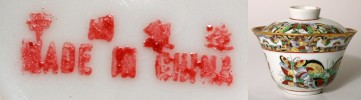 |
1547. Mark: Made in China, under Zhongguo Zhi Zao, meaning the same. Tentative date last few decades of the 20th century. Decoration is Rose Medallion Butterfly export pattern.
Click here to see large picture
|
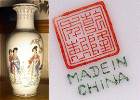
|
168. Mark: Qianlong Nian Zhi - "Qianlong Period Make". (Da Qing omitted) Tentative date: Early Peoples Republic period (1949-1966), probably 1950s. |
| Ming - Marks including the character or a period, but from Qing or later
Go to MING PERIOD MARKS HERE
|
All marks in this section are somehow referring to the Ming dynasty. They are with no exceptions from after the Ming dynasty and up until today in some cases. Real MING marks that actually are of the period, plus a type chart, is available here >>
|
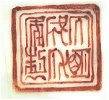
|
107. Mark: Da Ming Chenghua Nian Zhi (Great Ming Chenghua Period Make). Late 19th century, probably around 1860s. |

|
673. Mark: Chenghua Nian Zhi (Chenghua Period Make). Probably Guangxu (1875-1908) period.
Click here to see large picture
.
|
|
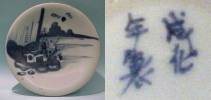
275. Mark: Chenghua Nian Zhi (Chenghua Period Make). Probably second half of 19th century, "Kangxi revival" period.
Click here to see large picture
.
|
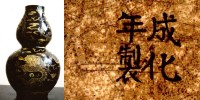 |
532. Mark: Chenghua Nian Zhi, Before 1910, probably Guangxu period (1875-1908)
Click here to see large picture
.
|
|
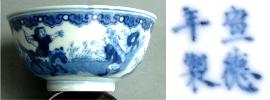
396. Mark: Xuande Nian Zhi (Xuande Period Make). Second quarter 20th Century.
|
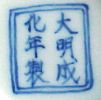 |
301. Mark: Da Ming Chenghua Nian Zhi - "Ming Dynasty Chenghua Period Make". This is possibly from the 1990s. After Simon Kwan's exhibition of 20th century high quality porcelain even late pieces were imitated and this might be one of them.
Click here to see large picture
|
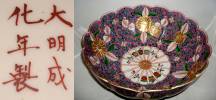 |
1349. Mark: Da Ming Chenghua Nian Zhi - "Ming Dynasty Chenghua Period Make". Mark appears to actually be printed, date probably contemporary.
Click here to see large picture
|
|
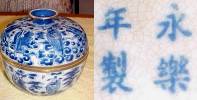
625. Mark: Yongle Nian Zhi - (Yongle Period Make), but modern-c. 1990s. The bowl possibly made in Thailand.
|
|
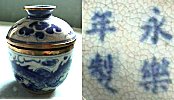
773. Mark: Yongle Nian Zhi - (Yongle Period Make), but modern-c. 1990s. The bowl possibly made in Thailand.
Click here to see large picture
.
|
|
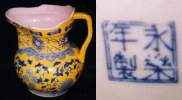
383. Mark: Yong Le Nian Zhi - (Yongle Period Make).
|

|
265. Mark: Yongle Nian Zhi (Yongle Period Make) Mid 20th Century. (The bowl surprisingly comfortable to drink tea out of.)
Click here to see large picture
.
|
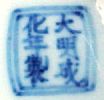 |
300. Mark: Da Ming Chenghua Nian Zhi. Probably last quarter of 20th century.
Click here to see large picture
.
|
 |
491. Mark: Da Ming Chenghua Nian Zhi but probably 1990s.
Click here to see large picture
.
|
 |
492. Mark: Da Ming Nian Zhu - Great Ming Period Make. Modern ?
Click here to see large picture
|
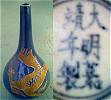 |
496. Mark: Da Ming Jiajing Nian Zhu - "Great Ming Jiajing (1522-1566) Period Make". Modern.
Click here to see large picture
|
|
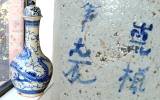
372. Mark: Chongzhen Nian Zhi, "Chongzhen (1628-44) Period Make". The mark appears as written by somebody who do not know Chinese even if the "Nian" character is good. Uncertain date.
|
| Nanjing Road (Shanghai) |
|
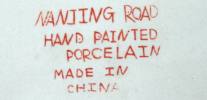
208. Mark: "Nanjing Road", famous business street in Shanghai, was at the height of its glory 1928-1938. |
| PIN - 品-"Precious Product" |
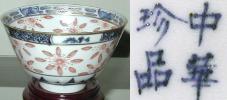 |
400. Bowl with 'rice grain' decoration. Mark: Zhonghua Zhen Pin China Precious Product. Early 20th Century.
|
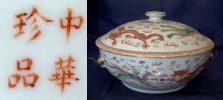 |
1184. Mark: Zhonghua Zhen Pin 珍品 "China Precious Product. Early 20th Century.
Click here to see large picture
|
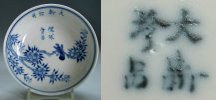
|
426. Base: Daxin Zhen Pin "Daxin Precious product".
Inside: Daxin Gongsi "Daxin Department Store", Huan Qiu Shi Pin "Global Food Product".
Daxin Department Store was one of the biggest and most prestigious department stores at the time, like Harrods and Selfridges of London, with shop in, I believe in Shanghai, HK and Singapore. Large department stores in Shanghai were first established by foreign investors. After 1916, local companies established successively four department stores at Nanjing Lu - Wings, Sincere, Xin Xin, and Daxin -- each of which covered an area over ten-thousand square meters. The stores strove to compete with one another by enhancing both quantity and quality of commodity, services and facilities. A new style of consumption was thus formed. Shopping or window shopping on weekends became a popular life style in the city. Around year 2000 Daxin, now "Number One Department Store" was the largest department store in China.
Click here to see large picture
|
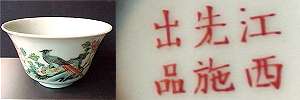
|
508. Mark: Jiangxi Sincere Chu Pin "Jiangxi Sincere Production" (2nd Quarter 20th C.)
The first official Hong Kong Schools Sports Day was held on 29th Nov 1933. In the prize donation inventory, it was recorded three of the Four Super Department Stores had made a contribution. They were Sincere, Da Xin, Zhonghua Bai Huo. (The remaining company is likely to be "Wing On")
Source: HK Central Roads and Streets History, Joint Publishing (HK) Co Ltd, 1989.
Click here to see large picture
|
 |
518. Mark: Mao Yuan Chu Pin- "Mao Yuan" product, where "Mao Yuan" is the artist 's name. Possibly 1940-50s.
The additional characters on the bowl are, horizontal from right : Guan Jia Yi Pin-Official Title increased by one rank. Vertical: Jiangxi (surname) / Mao Yuan / Ke-Jiangxi Province (surname) / Mao Yuan / Guest.
As for the "Ke = guest", many porcelain painters tried to make a living in Jiangxi during the Republic period, they came from other provinces and hoped they did not have to stay too long. They liked to address themselves as Guest Artists, showing their home coming desire.
Click here to see large picture
|
|
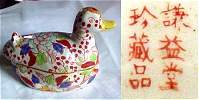
384. Qiang Yi Tong / Zhen Cang Pin "Qiang Yi Hall Precious Treasure".
|
|
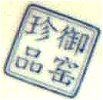
130. Yu Yao / Zhen Pin "Imperial Kiln Precious Products". For reference, Zhen appeared in #116, Pin appeared in #68.
|
|
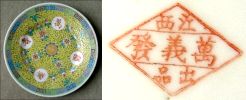
68. Jiangxi / Wan Yi Fa / Chu Pin "Jiangxi Province Products, Wan Yee Fa Company". Mid 20th century. |
|
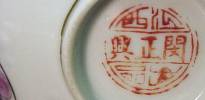
330. Jiangxi / Min Zheng Xing / Chu Pin - "Jiangxi Province / Min Zheng Xing (name) / Products". Nanchang. Second quarter of 20th c. before 1949.
This mark was used by Mr. Min Zheng Xing - (name) in his porcelain shop in Nanchang, Jiangxi province. At this time the Wa Lee Factory was still in Nanchang. In 1947 the Wa Lee Factory moved to Canton "near the end of the Yi De Road" and in 1949 moved on to Hong Kong. Meanwhile Min Zheng Xing remained in Jiangxi. Around 1951 to 1952 Min Zheng Xing "who also was an accomplished porcelain painter" travelled to HK once, trying to sell his Nanchang factory porcelains. Mr. Kung "treated him and took him around, but with little success since the times were difficult in HK too". (Source: Simon Ng interview w Mr Kung, HK 2001.)
Click here to see large picture
.
|
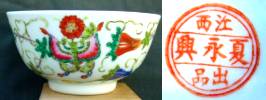 |
429. Mark: Jiangxi / Xia Yong Xing / Chu Pin "Jiangxi Xia Yong Xing Production".
Click here to see large picture
|
| QING DYNASTY
TYPE CHART QING DYNASTY PERIOD MARKS AVAILABLE HERE >> |
|
The best way to organize Qing dynasty seems for now to be by style. Seal marks are in the style of a seal and not difficult to tell. Song marks are in a hand written form and in Song's style of writing, then there is Ming, Qing, Republic, modern and after Cultural Revolution style of writings etc, this is a most specialized and difficult subject, and no books has as far as we know dared to touch on this yet, but being a true Viking I'll go about doing this soon, with the help of my Chinese speaking friends, who often can read even the most obscure renderings.
|
| Qianlong Nian Zhi - Qianlong Period Make |
| Qianlong or "Lasting Eminence" is the name of the reigning period (1736-1795) of the Chinese Emperor whose name was actually Hongli.
The reign mark "nian hao" of this period has been drawn on porcelain ever since, up until today. Later porcelain with this mark are often called "fakes" however the occurrence of this mark on later porcelain is most of the time seen as part of the decoration and not to be taken serious.
This practise of applying stamped four character "Qianlong Nian Zhi" marks was especially common on porcelain decorated in Hong Kong during the 1960s and 70s, but is in no way limited to this period.
In the following mark the two characters that gives the name of the dynasty Da Qing (Great Qing) is omitted, which is a common feature of marks that is not of the actual period.
The following marks are in zhuanshu (archaic seal script) which technically speaking is a drawing and not 'hand-writing'. None of the following marks are of the Qianlong period despite that they say so. See comments next to each individual mark for an approximate date.
|
|
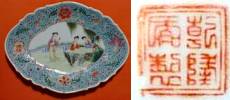
193. Mark: Qianlong Nian Zhi - "Qianlong Period Make". Stamped seal mark. Mid 20th century |
|
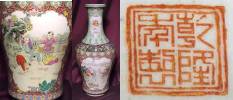
339. Mark: Qianlong Nian Zhi, "Qianlong Period Make". Modern mark, after 1960.
|
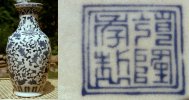 |
420. Mark: Qianlong Nian Zhi - "Qianlong Period Make". Early to mid 20th century. |
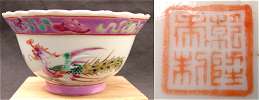 |
521. Mark: Qianlong Nian Zhi - "Qianlong (1736-1795) Period Make". Seemingly authentic Straits Chinese market porcelain.
Click here to see large picture
|
|
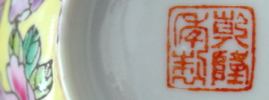
254. Mark: Qianlong Nian Zhi - Ca. 1990-95. |
|
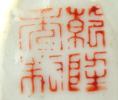
248. Mark: Qianlong Nian Zhi - "Qianlong Period Make". |
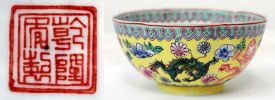 |
1497. Mark: Qianlong Nian Zhi - "Qianlong (1736-1795) Period Make". Extremely fragile Jingdezhen eggshell ware from around 1990. Outlines of the decoration are stamped and manually filled in with colored enamels. Usually young women was doing this kind of work. Each bowl did not take many seconds to decorate. Price after negotiations directly at the night market in Jingdezhen was about 5 yuan each, (c:a US $ 0.50). The drawback was that they were nigh impossible to transport due to their fragility. Being the thickness of lamp bulb glass the temptation was irresistible to stack them 20 at a time in oblong boxes intended for vases, upon which they arrived as that much porcelain confetti. Only way, was to give them one box each which of course added to the cost. (JEN 1991)
Click here to see large picture
|
| Following marks are in Kaishu (normal script) style. This is the present-day regular script, which has been in existence now for almost 2000 years. As opposed to seal script, which is drawing, this is hand writing. None of the following marks are of the Qianlong period despite that they say so. See comments next to each individual mark for an approximate date. |
|
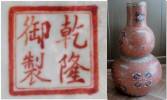
1394. Mark: Qianlong yuzhi - "Qianlong Period, Made", tentative date Early Republic, c. 1930
Click here to see large picture
|
|
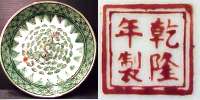
260. Mark: Qianlong Nian Zhi - "Qianlong Period, Made", 1970.
Decorated in Hong Kong.
Date by Mr. Kung, porcelain merchant in Hong Kong.
Click here to see large picture
|
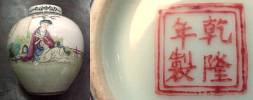 |
335. Qianlong Nian Zhi - "Qianlong Period (1736-1795) Make". From the 'realistic' look of the decoration despite the small scale of the available picture, I would like to suggest a date to around 1950s on this piece. |
|
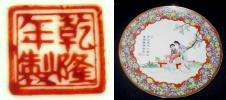
1089. Mark: Qianlong Nian Zhi - "Qianlong Period (1736-1795) Make", early second half of 20th century. The crisp and slightly 'naïf' style of the decoration is charateristic of the period immediately before the cultural revolution.
Click here to see large picture
|
|
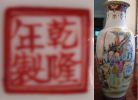
1377. Mark: Qianlong Nian Zhi - "Qianlong Period (1736-1795) Make". The crisp and slightly 'naïf' style of the decoration is characteristic of the period before the cultural revolution that started in 1965. The use of black and orange rust colored enamels is very typical of the very last years of the 1940s. Date: Mid 20th century.
.
Click here to see large picture
|
|
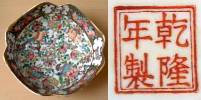
414. Mark: Qianlong Nian Zhi - Qianlong Period Make. Due to the shaky lines in the decoration I would like to suggest a date on this vase to around the 1970s or later.
Click here to see large picture
|
|
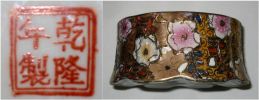
1372. Mark: Qianlong Nian Zhi - Qianlong Period Make. Japanese moriage decoration imitation. Suggested date; 1990s or later.
Click here to see large picture
|
|
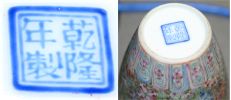
1073. Mark: Qianlong Nian Zhi - Qianlong Period Make. Second half of 20th century. Due to the shaky lines in the decoration I would even like to suggest a date on this vase to around the 1970s or later.
Click here to see large picture
|
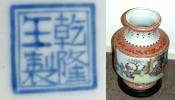
|
1518. Qianlong Nian Zhi - "Qianlong Period Make". Seal mark in raised blue enamels. 20th century, tentative date mid 1940s.
Click here to see large picture
.
|
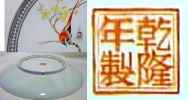
|
311. Mark: Qianlong Nian Zhi - C. 1990-95. |
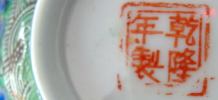
|
253. Mark: Qianlong Nian Zhi - c. 1990-95. |
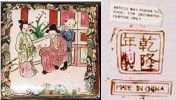
|
304. Mark: Qianlong Nian Zhi - "Qianlong Period Make". Stamped export seal mark with "MADE IN CHINA". The "poisonious glaze" warning label seems to indicate a date after 1970. |
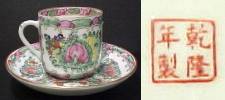
|
315. "Qianlong Nian Zhi", Close resemblance to mark # 314, enamels added in Hong Kong 1960 by Wa Lee Company.
Click here to see large picture
.
|
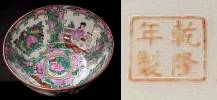 |
316. Mark: Qianlong Nian Zhi. Enamels added in Hong Kong, 1960 by Wa Lee Company.
Click here to see large picture
.
|
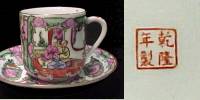 |
320. Mark: Qianlong Nian Zhi. Enamels added in Hong Kong, 1960 by Wa Lee Company.
Click here to see large picture
.
|
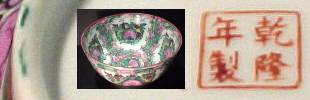 |
318. Mark: Qianlong Nian Zhi. Enamels added in Hong Kong, 1960 by Wa Lee Company.
Click here to see large picture
.
|
|
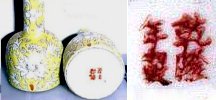
422. Mark: Qianlong Nian Zhi - "Qianlong Period Make". |
|
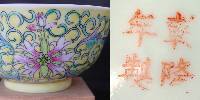
255. Mark: Qianlong Nian Zhi - "Qianlong Period Make". |
|
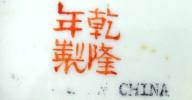
198. Mark: Qianlong Nian Zhi - "Qianlong Period Make". |
|
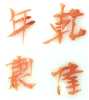
132. Mark: Qianlong Nian Zhi - "Qianlong Period Make".Qianlong Nian Zhi - "Qianlong Period Make". Probably early 20th century. |
|
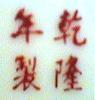
87. Mark: Qianlong Nian Zhi - "Qianlong Period Make".
The special calligraphy of this mark should be compared to # 134, 115 and 263. For the time being I would like to suggest that this mark is a Hong Kong mark from the 1960s.
|
|
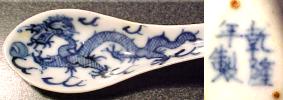
397. Qianlong Nian Zhi "Qianlong Period Make". Mid 20th Century.
|
|
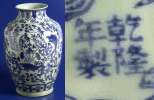
405. Mark: Qianlong Nian Zhi - "Qianlong Period Make". Late 20th century.
Click here to see large picture
.
|
|
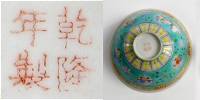
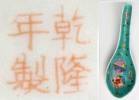
1482. Bowl and 1481. Spoon. Mark: Qianlong Nian Zhi - "Qianlong Period Make". According to family documents this set was taken out of China just prior to 1949. Good quality decoration with hand drawn outlines and decoration in opaque famille rose enamels. The inside of the bowl is plain white exactly the same as the bottom of the spoon (a very few flecks of brown). Tentative date are the 1940s, not later than 1949.
Click here to see large picture
.
|
| Qianlong Nian Zhi, Da Qing - Qianlong Period Make, Great Qing Dynasty |
| These six character marks follow the traditional way of drawing seal marks in archaic seal script, zhuanshu, from the Qianlong period 1736-1795. The manner is a drawing more like an engraving rather than actual hand writing. None of the following marks are of the Qianlong period despite that they say so. See comments next to each individual mark for an approximate date. |
|
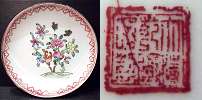
261. Mark: Da Qing Qianlong Nian Zhi - "Great Qing Dynasty, Qianlong Period, Made", 1970.
Decorated in Hong Kong.
Date by Mr. Kung, porcelain merchant in Hong Kong.
Click here to see large picture
|
|
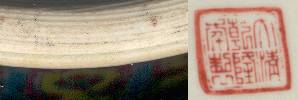
340. "Qianlong Nian Zhi" "Qianlong Period Make". Modern mark, after 1960.
|
|
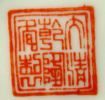
247. Da Qing Qianlong Nian Zhi "Great Qing Qianlong Period Make". Tentative period 1950-75. |
|
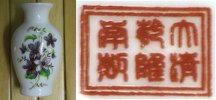
419. Mark: Da Qing Qianlong Nian Zhi, "Great Qing Qianlong Period Make". Mid 20th Century. Marks with this wide frame is likely to be from after the 1960s and should be compared to the Macau style marks.
Click here to see large picture
|
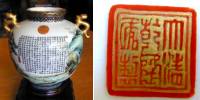 |
602. Mark: Da Qing Qianlong Nian Zhi Date 1940s before 1949.
Cf., HA van Oort, pp. 165-167.
Click here to see large picture
|
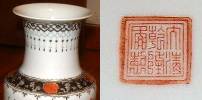 |
373. Mark: Da Qing Qianlong Nian Zhi - "Great Qing Qianlong Period Make". Porcelain with this "hard" color scheme seems to be contemporary with the influence from Russia in the 1950s. Note the black top rim ruyi border, cf. #261 (1970) and #501 (1966-76). Early Peoples Republic period (1949-1966).
Click here to see large picture
|
|
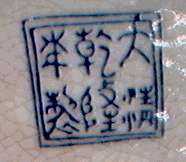
65. Mark: Da Qing Qianlong Nian Zhi- Blue and white chinese export porcelain replica/emulation. Note the crackled glaze. Late 20th/early 21th century. |
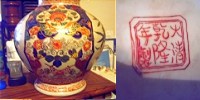
|
1030. Mark: Da Qing Qianlong Nian Zhi-(Chinese emperor Qianlong period make) but unfortunately not of the period. It is a Chinese new decorative ware not older than the 1970s. |
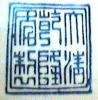
|
85. Da Qing Qianlong Nian Zhi "Great Qing Qianlong Period Make". Probably 20th century. |
|
|
339. "Qianlong Nian Zhi" "Qianlong Period Make". Modern mark, after 1960.
|
|
|
340. "Qianlong Nian Zhi" "Qianlong Period Make". Modern mark, after 1960.
|
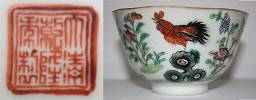 |
1488. Mark: Da Qing Qianlong Nian Zhi - "Great Qing Dynasty, Qianlong Period, Made", Mark stamped with double outlines. Tentative date Guangxu period 1875-1908.
Click here to see large picture
.
|
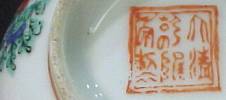 |
317. Mark: Da Qing Qianlong Nian Zhi - "Great Qing Dynasty, Qianlong Period, Made", 1960.
Decorated in Hong Kong.
Date by Mr. Kung, porcelain merchant in Hong Kong.
Click here to see large picture
.
|
|
|
168. Mark: Qianlong Nian Zhi - "Qianlong Period Make". (Da Qing omitted) Tentative date: Early Peoples Republic period (1949-1966), probably 1950s. |
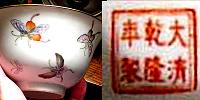
|
733. Mark: Da Qing Qianlong Nian Zhi - "Great Qing Qianlong Period Make". Tentative date: 1960s.
period.
Click here to see large picture
|
|
317. Mark: Da Qing Qianlong Nian Zhi - "Great Qing Dynasty, Qianlong Period, Made", 1960.
Decorated in Hong Kong.
Date by Mr. Kung, porcelain merchant in Hong Kong.
Click here to see large picture
.
|
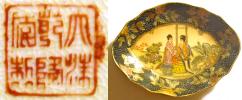
|
1410. Mark: Da Qing Qianlong Nian Zhi - "Great Qing Dynasty, Qianlong Period, Made". Possibly decorated in Hong Kong, around 1960-90.
Click here to see large picture
|
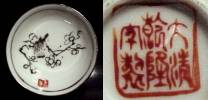
|
313. Mark: Da Qing Qianlong Nian Zhi - "Great Qing Dynasty, Qianlong Period, Made"
Information gained by Mr. Kung, porcelain merchant in Hong Kong, this is decorated in Hong Kong around 1960.
Click here to see large picture
|
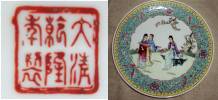
|
1078. Mark: Da Qing Qianlong Nian Zhi - "Great Qing Dynasty, Qianlong Period, Made"
Probably decorated in Hong Kong around 1960.
Click here to see large picture
|
|
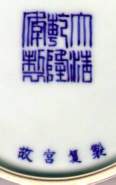
77. Da Qing Qianlong Nian Zhi "Great Qing Qianlong Period Make". Gu Gong Fu Zhi (Palace Museum Replica Producation), Before 1990. |
|
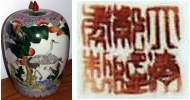
172. Da Qing Qianlong Nian Zhi "Great Qing Qianlong Period Make". Mid 20th century or later. |
|
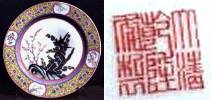
281. Da Qing Qianlong Nian Zhi "Great Qing Qianlong Period Make". Plate probably from the 1930-40s period. |
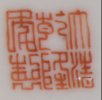 |
413. Mark: Da Qing Qianlong Nian Zhi- "Great Qing Qianlong Period Make". |
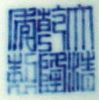 |
297. Mark: Da Qing Qianlong Nian Zhi- "Great Qing Qianlong Period Make". Probably 3rd quarter of 20th century.
Click here to see large picture
.
|
| Kaishu - (normal script) style. As opposed to seal script, which is drawing, this is hand writing |
|
|
733. Mark: Da Qing Qianlong Nian Zhi - "Great Qing Qianlong Period Make". Tentative date: 1960s.
period.
Click here to see large picture
|
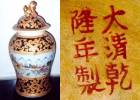
|
282. Mark: Da Qing Qianlong Nian Zhi. Meaning: "Great Qing Qianlong Period Make". Black gilded lidded jar, tentative date 1950s-60s |
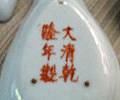
|
184. Mark: Da Qing Qianlong Nian Zhi. Meaning: "Great Qing Qianlong Period Make". Modern Chinese porcelain spoon. Date: Late 1960s to c. 1990. |
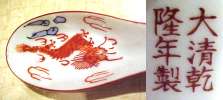
|
513. Mark: Da Qing Qianlong Nian Zhi. Meaning: "Great Qing Qianlong Period Make". Modern Chinese porcelain spoon. Date: Late 1960s to c. 1990. |
|
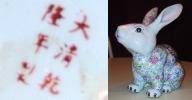
403. Mark: Da Qing Qianlong Nian Zhi, Meaning: "Great Qing Qianlong Period Make". Date: Late 1960s to c. 1990.
|
|
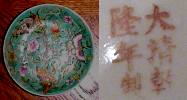
377. Mark: Da Qing Qianlong Nian Zhi, Meaning: "Great Qing Qianlong Period Make". Date: Late 1960s to c. 1990.
|
|
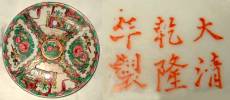
914. Mark: Da Qing Qianlong Nian Zhi, Meaning: "Great Qing Qianlong Period Make". Date: Late 1960s to c. 1990.
Click here to see large picture
|
| Qianlong, Da Qing |
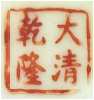
| The mark is referring to the Qianlong period (1736-1795) during the Qing dynasty. However, in these marks the Nian Zhi [period make] of the regular mark is omitted. So far I have not seen any mark of this type that appears to be older than the 1970s. It is worth remembering that during 1965-70 was the period of the 'Glorious Cultural Revolution' in China and not much porcelain, and certainly not any with any Imperial references, was made inside China proper during this time. I think that any porcelain with Imperial Chinese references in the mark had their decoration added outside of China. |
|
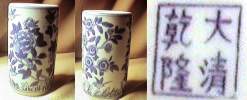
134. Mark: Da Qing Qianlong - "Great Qing Dynasty Qianlong Period" |
|
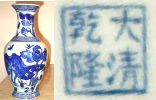
382. Mark: Da Qing Qianlong - "Great Qing Dynasty Qianlong Period". Late 20th century. The mark appears to be next to identical to those used in Hong Kong in the 1960-70s, but in this case, in underglaze blue. |
|
758. Mark: Da Qing Qianlong - "Great Qing Dynasty Qianlong Period". Late 20th century.
Click here to see large picture
|
|
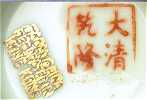
115. Da Qing Qianlong (Great Qing Qianlong). The gold mark reads: JAPAN CHINA, DECORATED IN, HONG KONG, which seems to indicate that the actual porcelain bowl might be Japanese, while the decoration is added in Hong Kong. Notice that the red mark also must have been applied in Hong Kong since it is actually moved off center to give way for the gold mark. Probably 1960s. |
| Shende Tang Zhi - (Made for The Hall of Prudent Virtue) |
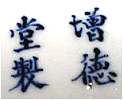
| The 'Shende Tang' (Hall of Prudent Virtue) referred to in the base mark was the residence of the Daoguang Emperor in the Yuanming Yuan summer palace in the outskirts of Beijing, where it was located at the western side of the Jiuzhou Qingyan (Palace of Peace in the Nine Regions). The Shende Tang was completed in 1831, thus making Daoguang pieces with this mark attributable to the two decades between 1831 and 1850; see Ming Wilson, Rare Marks on Chinese Ceramics, London, 1998, cat. no. 8, where a yellow-glazed bowl with cranes bearing this mark is illustrated, from the collection of the Victoria and Albert Museum, London. |
|
126. Shende Tang Zhi - "Shende Tang Made", where "Zeng" is accumulating, collecting, learning, "De" is virtue, "Tang" is hall.
|
|
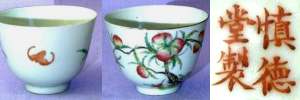
144. Mark: Shende Tang Zhi - "Shende Hall Made". This could be translated as 'Made for the Hall of Prudent Virtue'. This mark first appeared in the Daoguang period and continued to be used until mid 20 th Century. This mark: Guangxu period (1875-1908) or a few decades into the 20th century.
|
 |
299. Mark: Shende Tang Zhi - Shende Hall Made. This mark: Probably early to mid 20th century.
Click here to see large picture
.
|
| Taiwan |
|
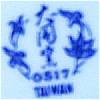
185. Mark: Da Tong Yao, Taiwan, (Da Tong Kiln, Taiwan). Mark on modern Chinese porcelain spoon. |
| Tang Shan Porcelain Factories, from 1920s |
| Tang Shan is a city in Hebei province. In 1976 the Tang Shan earthquake wiped out the entire city. Tang Shan has produced porcelain of good quality but less known then it southern competitors Jingdezhen in Jiangxi province and the Liling kiln in Hunan but has produced grand pieces in similar styles. The 1965 Tangshan Ceramic book tell there were three major porcelain factories in Tangshan from 1920s. The Qi Xin Factory, first established in 1924 and changed name to Tangshan 5th factory around 1950s, sub-divided to Yue Feng Sub-division Factory in 1958. The second factory was the De Cheng factory and the third, the Xin Min factory.
Picture: Tang Shan De Cheng Factory, c. 1930
|
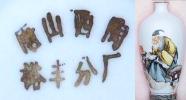 |
1325. Vase of eggshell thinness. Tangshan 4th Porcelain Factory, Yue Feng Sub-division, c. 1960. Mark reads from left to right, first line says 唐山西(Si (fourth))陶 (Tang Shan Si Tao), The forth character 陶 means pottery. The second line reads 裕丰分厂 (Yu Feng Fen Chang). 裕丰 is the name of the company and 分厂 basically means branch factory which gives us Yue Feng Sub-division Factory.
Click here to see large picture
|
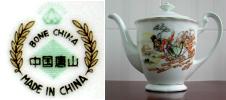 |
1326. Teapot. Mark: Min Gou Tang Shan Tangshan Bone China, Made In China, modern export porcelain, c 1960-90.
Click here to see large picture
|
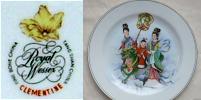 |
1327. Plate. Mark: Min Gou Tang Shan Tangshan Fine Bone China, Made In China, modern export porcelain, c 1960-80.
Click here to see large picture
|
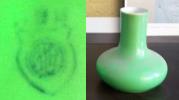 |
1328. Vase decorated in green monochrome glaze. Mark: unclear but probably Min Gou Tang Shan, date c. 1960-80.
Click here to see large picture
|
| Wen |
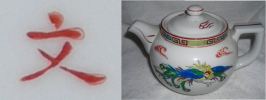
| Wen, a Chinese surname |
|
1368. Bowl. Mark: Wen. A chinese surname, also the word for script, writing. Date; late 20th century, probably around 1990.
Click here to see large picture
|
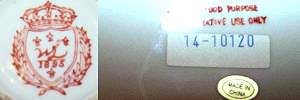
| "WL 1895" Hong Kong based modern porcelain factory |
|
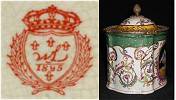
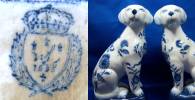
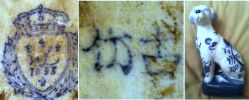
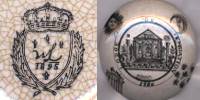
This mark is modern. It occurs in red, blue or black. There has been a lot of confusion about this mark however some pieces with this mark have been found with a sticker saying "Made in China". Other carries the text "not for food" which is not applied on porcelain predating around 1975 while others are only marked WL1895. The porcelain pieces are generally made in an old style, often with a crackled ground and often with badly cast bronze (ormolu) fittings. On the foot rim is sometimes found two Chinese characters meaning "fang gu" or "imitating old (relic)" which belongs to the time after the Cultural Revolution that ended in 1975. The porcelain itself does not immediately look as from Jingdezhen while it remains possible. The enamel decoration appears similar to what I have begun to call Macau style. On the whole, the origin appears to be a commercial Chinese export, active from maybe the 1980s and onwards. Exactly where the porcelain wares itself is made remains unknown.
|
|
1052. Mark: "WL 1895" On porcelain with crackled ground, in the general style of Napoleon III. Date: Modern, probably c. 1990. Origin unknown. On the foot rim what appears to be Chinese numbers.
Click here to see large picture
|
|
1302. Mark: "WL 1895" On plain white porcelain, added to the base is the text warning about not suitable for food plus a sticker saying "Made in China". Date: Modern, probably c. 1990.
Click here to see large picture
|
|
1303. Porcelain figures of dogs. Decorated in underglaze blue. Mark: "WL 1895" and near the rim, two Chinese characters "Fang gu", meaning "imitating old/relic". Date: Modern, probably second half of 20th century.
Click here to see large picture
|
|
1407. Porcelain figures of dogs. Decorated in underglaze blue. Mark: "WL 1895" and near the rim, two Chinese characters "Fang gu", meaning "imitating old/relic". Date: Modern, probably second half of 20th century.
Click here to see large picture
|
|
1304. Porcelain box decorated with Masonic emblems. Mark: "WL 1895" and on near the rim, two Chinese characters "Fang gu", meaning "imitating old/relic". Date: Modern, probably second half of 20th century.
Click here to see large picture
|
| Xianfeng Nian Zhi (Xianfeng Period (1851-61) Make) |
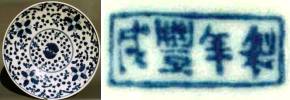 |
918. Mark: Xian Feng Nian Zhi, meaning: "Made in the Year (or Reign) of the Xianfeng". Calligraphy written from left to right in the modern way. Writing from left to right in a single line (along with the general use of European-American grammar structure) occurs after the mid-1950s in mainland China alone. Strong bodied Chinese blue/white plate, 25.3 cm diam. The foot has a hole for hanging. Second half 20th century.
Click here to see large picture
|
| Xing Huang Yao Zhi - ('Dazzling Star' Kiln Make) |
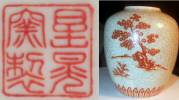
| Modern ware from the 1960-70s or even later. Modern ware, probably South Chinese - Guangzhou, Macau or Hong Kong style decoration. |
|
1476. Mark: Xing Huang Yao Zhi - (Star Dazzling Kiln Make) Mid to late 20th century. Guangzhou (Canton), Macau or Hong Kong style decoration on crackled glaze of imitated Ge type.
Click here to see large picture
|
| Ya Wan Zhen Cang - (Delicate Collectable Precious Treasure) |
Probably a brand or factory mark. This mark occurs on porcelain figures and elaborate vases with applied decorations, as well as on plates in the Macao, Hong Kong, and later Canton styles of porcelain from the third quarter of the 20th century. Marks come both handwritten and stamped. The handwritten ones, found on plate #1229, appears to be of a style developed in Guangzhou (Canton) in the 1950s. Stamped marks as a rule seem to be from the 1960s-70s or later.
Alternative interpretations include 'Product of the Ya Wan Company' or 'collection of Ya Wan'.
Breaking it down:
- 雅 (Yǎ) typically means "elegant" or "refined".
- 玩 (Wán) in the context of art and collectibles, often mean "objects of interest" or "collectibles".
- 珍 (Zhēn) means "precious" or "valuable." It often denotes something rare or treasured.
- 藏 (Cáng) means "to store" or "to collect." It refers to the act of keeping or hoarding, typically things of value.
When viewed as pairs:
- 雅玩 (Yǎ Wán) would be "elegant collectibles"
- 珍藏 (Zhēncáng) as a pair translates to "treasured collection" or "precious collection".
|
|
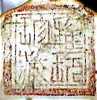
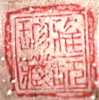
116, 120. Mark: Ya Wan Zhen Cang - (Delicate Collectable Precious Treasure). Private Collector's or factory mark on porcelain figures in 18th-19th century style. Mid to late 20th century. Guangzhou (Canton) or Hong Kong style late enamels-fencai. |
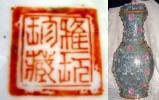
|
1292. Vase with applied decoration of flowers. Mark: Ya Wan Zhen Cang - (Delicate
Collectable Precious Treasure). Mid to late 20th century. Guangzhou (Canton) or Hong Kong style late enamels-fencai.
Click here to see large picture
|
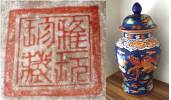
|
1473. Lidded jar with decoration of flowers. Mark: Ya Wan Zhen Cang - (Delicate Collectable Precious Treasure). Probably Macao style late enamels - fencai. Mid to late 20th century, tentative date c. 1970.
Click here to see large picture
|
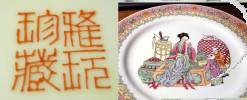
|
1229. Plate. Mark: Ya Wan Zhen Cang - (Delicate Collectable Precious Treasure). Mid to late 20th century. Guangzhou (Canton) or Hong Kong style late enamels, fencai.
Click here to see large picture
|
| Yong Sheng Cai Ci Chang (永勝彩瓷廠) - Yong Sheng (Eternal Victory) Painted Porcelain Factory |
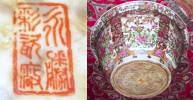
|
387. Mark: Yong Sheng Cai Ci Chang - Yong Sheng Painted Porcelain Factory. Large fish bowl, decorated in traditional Rose Medallion style. Tentative date c. 1970s.
Click here to see large picture
.
|
| Yongzheng Nian Zhi (Yongzheng Period Make) |
| Decorative marks, not of the period. See individual marks below for approximate date |
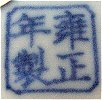
|
93. Yongzheng Nian Zhi - "Yongzheng Period Make". Underglaze blue hand painted seal mark. Mid 20th century, high quality. |
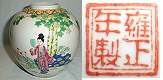
|
167. Yongzheng Nian Zhi - "Yongzheng Period Make". Red rubber stamped seal mark. 20th century. |
| Yue [Guang] Dong Qi Chang - East Guangdong Porcelain Factory, Hong Kong |
|
Yuet Tung (Guangdong) China Works is the oldest porcelain decoration workshop in Hong Kong. It was founded there in 1923. Over 300 painters worked there between the 1920s to the 1940s. The decoraive style was called Guang Cai, meaning Guangzhou enamels which is characterized by thin enamels and generous amounts of gilding. Only pure gold dust was used before the 1960s, after which the factory changed to liquid gold. During the 1950s some thirty craftsmen trained at the Yuet Tung China Works left to go back to Guanzhou where they started workshops by their own. Source: Tso Chi-Hung, third generation manager, 2020. It is not known if this factory were active under this name already in Guangdong however the "East" in the name suggests that this was added in Hong Kong.
|
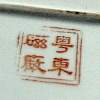
|
387. Mark: Yue Dong (Yuet Tung) Qi Chang - East Guangdong Porcelain Factory.
Click here to see pictures from the workshop in 2020
|
| Zhongguo 中國 / 中国 Tang Shan - China Tang Shan City |
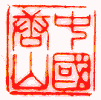
|
69. Mark: Zhongguo Tang Shan - (China Tang Shan City). Modern mark, North Chinese porcelain factory, c. 1990-95. |
| Zhongguo 中國 / 中国 Wu Ci - China Wu Ci City |
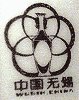
|
110. Zhongguo Wu Ci (China Wu Ci City). Late 20th century (probably 1980s) |
| Zhongguo 中國 / 中国 Shamen - China Shamen City |
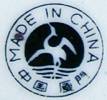
|
177. Mark: Zhongguo Shamen - (China Shamen City). Modern Chinese porcelain spoon. |
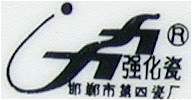
|
180. Modern mark, on modern Chinese porcelain spoon. |
| Zhongguo 中國 / 中国 Lingnan - China Sha Gate City |
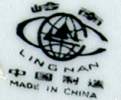
|
181. Mark: Zhongguo Lingnan. Mark on modern Chinese porcelain spoon. |
| Zhongguo 中國 / 中国, Made in China |
|
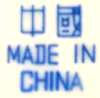
189. Zhongguo - "China". Mark on modern Chinese porcelain spoon. Characters written from left to right suggesting a date from C. 1970 and later. |
| Zhongguo 中國 / 中国 Jingdezhen CHINA =#= |
|
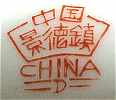
75. Mark: Zhongguo Jingdezhen, CHINA, =D= - China Jingdezhen. Mark from a square flask with 4 landscapes by Wang Yeting (1884-1942), one of the "eight friends of Zhushan", dated 1937. It is unlikely that the date of the painting in this case matches the mark which should date to the mid 1950s or later.
|
|
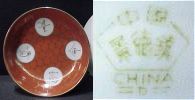
271. Zhongguo Jingdezhen - China Jingdezhen. Mark from two gilt on coral ground dishes. Dated by Mr. Kung, porcelain merchant in Hong Kong, to the 1950s. Similar dishes are still being made.
Click here to see large picture
.
|

|
274. Zhongguo Jingdezhen - China Jingdezhen. Dated by Mr. Kung, porcelain merchant in Hong Kong, to 1980, which seems like a large jump from the very similar # 271 above.
Click here to see large picture
.
|
|
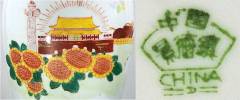
567. Zhongguo Jingdezhen - China Jingdezhen. Porcelain vase made in "Jingdezhen" in 1968 to mark the Chinese cultural revolution, led by chairman Mao. Decorated with Tian-An-Men Square and Hua Biao surrounded by a group of sun flowers. Text on Balloons with ribbons are "Chairman Mao lives long life", "the Communist Party lives long life" and Mao-Zhu-Xi-Wan-Sui "Chairman Mao's revolutionary route have success and live long life".
Click here to see large picture
.
|
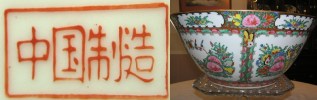
| Zhongguo Zhi Zao - 中国制造 - China Made (Modern style, left to right) |
| In these marks the characters are written in a modernized way, from left to right. This manner of writing dates on the whole to the period of the Cultural Revolution, meaning from around the late 1960s and later.
|
|
1029. Zhongguo Zhi Zao, meaning 'China Make'. Contemporary, last quarter of the 20th century.
Click here to see large picture
|
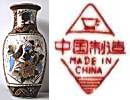
| Zhongguo 中國 / 中国 Zhi Zao - Made in China |
|

|
967. Mark: Hand Painted Decoration, Made in China. Second half of the 20th century.
Click here to see large picture
|
|
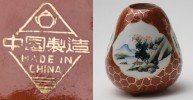
28. Mark: Zhongguo Zhi Zao - China Made. In this mark "Zhi Zao" is used which would rather translate as make-something new, to produce something out of raw material- while the more common "Zhi Zuo" could be translated as the more profane manufacture. On Chinese "Satsuma" copy basically "new", possible period (1970s-2000).
Click here to see large picture
|
|
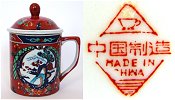
1330. Mark: Zhongguo Zhi Zao - China Made. In this mark "Zhi Zao" is used which would rather translate as make - something new, to produce something out of raw material- while the more common "Zhi Zuo" could be translated as the more profane manufacture. In photo 2, left hand side within reserve, a date of '73 can be seen, likely to be 1973.
Click here to see large picture
|
|
852. Mark: Zhongguo Zhi Zao - China Made. In this mark "Zhi Zao" is used which would rather translate as make-something new, to produce something out of raw material- while the more common "Zhi Zuo" could be translated as the more profane manufacture. Date: "Off the shelf" February 2004.
Click here to see large picture
|
|
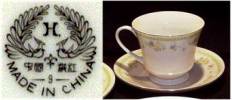
1035. Mark: Zhongguo Zhi Zao - China Made. Tentative interpretation of this mark is 'Universal Porcelain Factory, Phoenix "H" brand, production unit/line -9-' date 1980-90. |
|
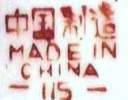
54. Mark: Zhongguo Zhi Zao - China Made |
|
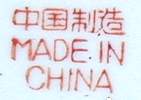
183. Mark: Zhongguo Zhi Zao - China Made. Mark on modern Chinese porcelain spoon. |
|
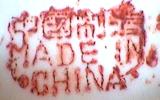
82. Mark: Zhongguo Zhi Zao - China Made |
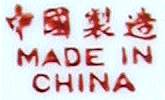
|
178. Mark: I>Zhongguo Zhi Zao - China Made. Mark on modern Chinese porcelain spoon. The similarity to mark 260. Dish. "Qianlong Nian Zhi", seems to indicate a date around 1970.
|
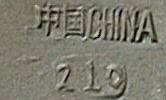
|
502. Mark: Zhongguo - China, c. 1950-1970 |
| Zhongguo 中國 / 中国 Jingdezhen - China, Jingdezhen (Right to Left)
|
| In around 1953 to 54, almost all the factories in Jiangxi were merged into larger units, each made up by ten to fifteen previously independent smaller factories. The use of alphabetic characters and numbers in the marks also seems to have started around this time. Long time porcelain merchant in Hong Kong, Mr. Kung, was when asked by Simon Ng on this, of the opinion that =09= and similar, were names assigned to each of the factories in Jingdezhen by the Communist Party. When asked if a factory could have more than one number, he also said that as far as he knew there were only one number for one factory. Now this doesn't match with reality since in long runs of the same pattern there seems to be different characters appearing at random. Recently I have also been asking around some in Jingdezhen, and the latest info on these letters are that the mark "=D=" etc doesn't have any meaning. They were simply put onto export wares to look nice. This really matches with the lack of system we have noticed so far and can possibly be true for the last decades, but was it so in the beginning? The research continues. One possibility is that the marks did have an organizational importance in the beginning but that the marks after some time got garbled.
|
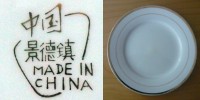 |
1546. Plate with mark: Zhongguo, Jingdezhen - China, Jingdezhen. Tentative date around the 1970s.
Click here to see large picture
|
| Zhongguo 中國 / 中国 Liling, China Liling |
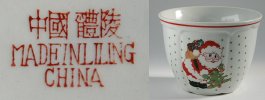 |
1453. Flower pot with printed western export market Christmas decoration, date second half 20th century. Mark: 中國醴陵 Zhongguo, Liling, China, Liling.
Click here to see large picture
|
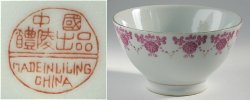 |
1454. Bowl with transfer printed decoration, date second half 20th century. Mark: 中國醴陵 Zhongguo, Liling, Chu Pin China, Liling, Product.
Click here to see large picture
|
| Zhongguo 中國 / 中国, Zhong Yi, Jingdezhen - (China, Zhong Yi (factory), Jingdezhen) |

|
121. Mark: Zhongguo (China), Zhong Yi (factory name), Jingdezhen. Underglaze blue and white eggshell bowl acquired at a private street side shop stall in Jingdezhen 1992. |
| RECENT ADDITIONS-UNDERGLAZE BLUE |
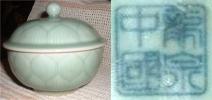 |
707. Zhongguo Longquan - "China Longquan", probably referring to the Celadon type glaze made famous by the Longquan kilns in Zhejiang province of South-Eastern China. Modern ware, late 20th century.
Click here to see large picture
|
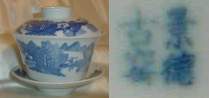
|
175. Jingde Gu Yao - "Jingde Ancient Kiln". Modern, blue and white lidded tea bowl. C. 1990. |
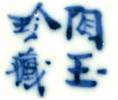
|
326. Tao Yu Zhen Cang - "Pottery and Jade Precious Treasure". Possibly late 20th C.
|
|
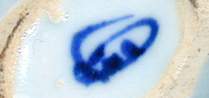
425. Yu - "Jade" (=Precious Treasure.) Possibly late 19th C.
Click here to see large picture
|
|
170. "You Xian Ju Zhi" "House of Plenty Leisure, Make". Modern commercial replica of early 18th century blue and white porcelain acquired from China in 1999. |
|
176. Mark on blue and white spoon, possibly 1880-1930. |
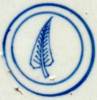 |
587. "Artemisia" leaf mark. Originally common under Kangxi period but this stiff version is later, probably early 20th century.
Click here to see large picture
|

|
618. Wu Feng Ji Fei - "Five Phoenix Together Fly / Rise". Possibly early Republic c. 1920s.
Click here to see large picture
|
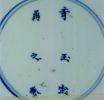 |
523. JI Yu Bao Ding Zhi Zhen - "Treasure of Cherished Jade and Precious Ding". Kangxi period, c. 1700.
Click here to see large picture
|
|
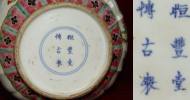
823. Late 19th century/early 20th century. Made by Bo Gu - (the name of the artist?) of Heng Feng Tang
(name of the Porcelain Shop).
Click here to see large picture
|
|
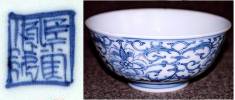
1059. Seal mark within single frame. Wax seal "jianding"-modern export permit. Uncertain date. Possible new.
Click here to see large picture
|
|
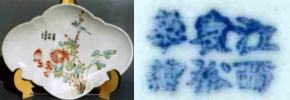
879. Mark: Jiangxi Yuan Yu Hua, meaning: Drawn by Yuan Yu Hua in Jiangxi Province. The bird is commonly known as a 'White headed Granny'. The caption says 'Prosperity unto the old age'. The flower is likely peony, which is the flower of prosperity in Chinese. A similar piece with identical caption is in Dated Porcelain section, mark #102, with a signed date of 1914. Tentative date of this dish: around 1925.
|
|
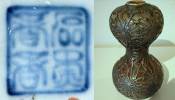
1291. Copper red vase bound in metal. Unknown mark. Could possible be a combination of several Chinese character with the meanings of produce (zhanpin), daily (tian tian), and China (zhong) ware (yao).
Click here to see large picture
.
|
|
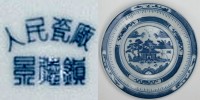
1329. Plate with transfer printed decoration in underglaze blue and white. Mark: Yun Mun Ci Chong, "The People's
Porcelain Factory" on the reverse. Date 1970s and/or later.
Click here to see large picture
.
|
| RECENT ADDITIONS-RED RUBBERSTAMP |
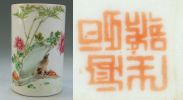 |
517. Bing Shen Qiu Rou - "Bing Shen (Year) Autumn Month". Most likely year matching "Bing Shen" are 1896. Xiao Shan Zuo-Xiao Shan (Artist's name) Painted.
Base red mark : Gao Bo Sheng Hao-Gao Bo Sheng Company.
Click here to see large picture
|

|
961. Mark: "XXX Cang", meaning XXX's collection. The XXX is undecipherable. The two-line poem says "Yan Zi Zheng Chun Se, Xiu Qi Lin Qiu Feng", meaning "beautiful pose against spring scene, elegant manner sterning autumn wind" followed by the Porcelain Painter's signature of "Zhong Ming Shi Painted". Tentative date is the 1940s.
Click here to see large picture
|
|
782. Mark: Yau Kee '29' Hao, tentative translation "'Yau Kee' Factory Pattern number 29". Date c. 1960s. Possibly Hong Kong decorated.
Click here to see large picture
|
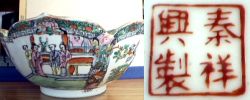
|
718. Qin Xiang Xing Zhi - "Qin Xiang Xing (factory) Made". Late 20th century, c. 1960-70.
Click here to see large picture
|
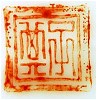
|
99. Artists name seal. c. 1930, eggshell porcelain. |
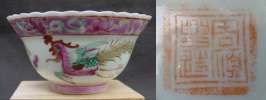 |
520. Zhou Shun Xing Zao - " Zhou Shun Xing (Company) Made". Same as our #27
Click here to see large picture
|
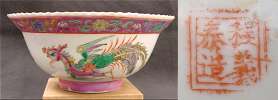 |
522. Cheng Yi Tai Zao - "Cheng Yi Tai Made." Same as our #17 /18.
Click here to see large picture
|

|
719. Aspiration Mark
Zhao Cai Jin Bao - "Inviting in Wealth and Treasure", c. 1890-1910.
Click here to see large picture
|
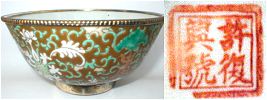
|
729. Xu Fu Xing Hao - "Xu" family
or company. Tentative date 1870s or slightly later.
Click here to see large picture
|
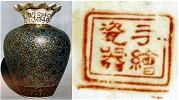
|
897. Mark: "Hand Painted Porcelain". Tentative date: Mid 20th century.
Click here to see large picture
|
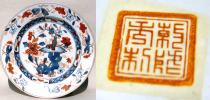
|
902.
Click here to see large picture
|
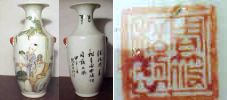
|
312. Zhou Jun Song (artist name) Zhi (Made).
Xuantong (1909-1912) period.
Click here to see large picture
.
|
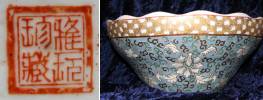
|
1338. Large bowl. Diameter 13 1/3" (34.3 cm), diam. 6" (15.2 cm)h. Square seal mark in archaic script within double frames. Dove blue enamels that came about through the Da Ya Zhai porcelains ("Grand Elegant Court" porcelain for the Empress Dowager Cixi) that was
developed during the end of the 19th century and much copied during the early 20th century. Likely date 1920-30.
Click here to see large picture
|
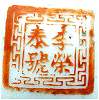
|
390. "Li Rong Tai hao", "mark of Li Rongtai" (Wade-Giles: Li Jung-t'ai).
|
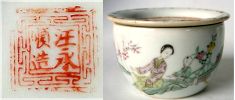 |
662. Hair's oil jar. Dated 1919.
Click here to see large picture
|

|
796. Toilet table box. Decoration: 'Qilin delivering a son'. Compare dated mark #662. Tentative date c. 1920
Click here to see large picture
|
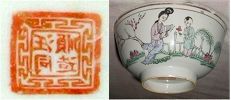
|
1070. Bowl. Tentative date c. 1920.
Click here to see large picture
|
| RECENT ADDITIONS-UNSORTED |
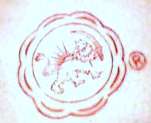
|
45. Mark imitating a lacquer seal, with mythological animal |
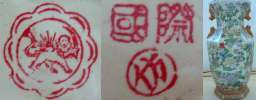 |
1436. Vase.
Click here to see large picture
|
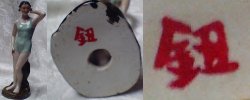
|
389. "Niu" Chinese surname, possibly the name of the artist. Probably 1950s
Click here to see large picture
.
|

|
380. "Qian Men, Quan Ju De" (Front Gate, Quan Ju De (Restaurant)). Quan Ju De is a symbol of Old Peking, the famous Peking Duck shop opened in 1864. Front Gate, the city gate-was built in Yuan and original named Li Zheng Men. During Ming it was renamed to Zheng Yang Men which name has been kept until now, more commonly called Qian Men.
|
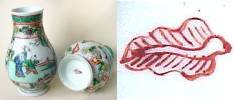 |
91. Kangxi style Artemisia leaf, c. 1950.
Click here to see large picture
|
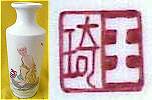 |
481. Wang Qi Name Seal copy of "Wang Qi", one of the Eight Friends of Zhu Shan, specializing in figure drawings and Running Calligraphy. Modern, c. 1990-2000
Click here to see large picture
|
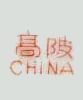
|
524. Gao Po, China. "Gao Po" is probably the name of a town. It is unclear though, in which way Gao Po is related to the porcelain. |
 |
617. Decorated i a combination of mille fleur and famille noire. Guangxu period / Early Republic, c. 1900-1930s
Click here to see large picture
|
 |
443. Wei Yi Zhai - "The Singular (one and only) Studio", 4th quarter 20th century..
Click here to see large picture
|
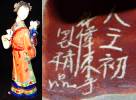
|
713. Modern porcelain figure. Signature of the Artist: "...hand made by Lam Wai Tung". Late 20th century.
Click here to see large picture
|
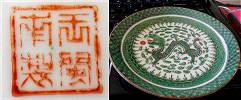
|
1406. Tea set, eggshell porcelain, China, first quarter of the 20th century.
Click here to see large picture
|
The marks section of Gotheborg.com was initially established in May 2000 thanks to a generous donation of approximately one hundred images of Japanese porcelain marks, by Karl-Hans Schneider from Euskirchen, Germany. This contribution provided a modest yet substantial beginning of the Marks Section. It was a kind gesture that I really appreciated.
Of the many later contributors, I would especially want to mention Albert Becker, Somerset, UK, who was the first to help with some translations and comments on the Japanese marks. His work was then greatly extended by Ms. Gloria S. Garaventa, after which Mr. John Avery looked into and corrected some of the dates. Most of the Satsuma marks were originally submitted by Ms. Michaela Russell, Brisbane, Australia. A section which was then greatly extended by Ian & Mary Heriot, a large amount of information from which still awaits publication.
A warm thank you also goes to John R. Skeens, Florida, U.S.A., and Toru Yoshikawa for the Kitagawa Togei section, and to Susan Eades for her help and encouragement towards the creation of the Moriyama section. For the last full overhaul of the Satsuma and Kutani sections, thank you to Howard Reed, Australia. The most recent larger contribution was made by Lisa M. Surowiec, New Jersey, USA.
In 2004 and from then on, my warm thank you goes to John Wocher and Howard Reed, whose knowledge and interest have sparked new life into this section and given reason for a new overhaul. Thank you again and thank you to all I have not mentioned here, for all help and interest in and contributions to our knowledge of 20th-century Japanese porcelain.
The Chinese marks section would not have been possible without the dedicated help of Mr. Simon Ng, City University of Hong Kong, whose translations and personal efforts in researching the origin and dates of the different marks have been an invaluable resource. It has since been greatly extended by several contributors such as Cordelia Bay, USA, Walt Brygier, USA, Bonnie Hoffmann, Harmen Lensink, 'Tony' Yalin Zhang, Beijing, 'ScottLoar', Shanghai, Mike Harty, and many more expert members of the Gotheborg Discussion Board.
A number of reference pieces have also been donated by Simon Ng, N K Koh, Singapore, Hans Mueller, USA, Hans Slager, Belgium, William Turnbull, Canada, and Tony Jalin Zhang, Beijing.
All images and text submitted by visitors and published anywhere on this site are and remain the copyrighted property of the submitter and appears here by permission of the owners which can be revoked at any time. All information on this site, that are not specifically referenced to peer reviewed sources, are the personal opinions given in good faith by me, my friends and fellow experts, based on photos and the owners' submitted descriptions. They are not to be used for any financial or commercial decisions, but for educational and personal interest only, and can and will be changed as further information merits.
For further studies, Encyclopedia Britannica is to be recommended in preference to Wikipedia, which, not being peer-reviewed, might contain misleading information.
Web design and content as it appears here © Jan-Erik Nilsson 1996-.
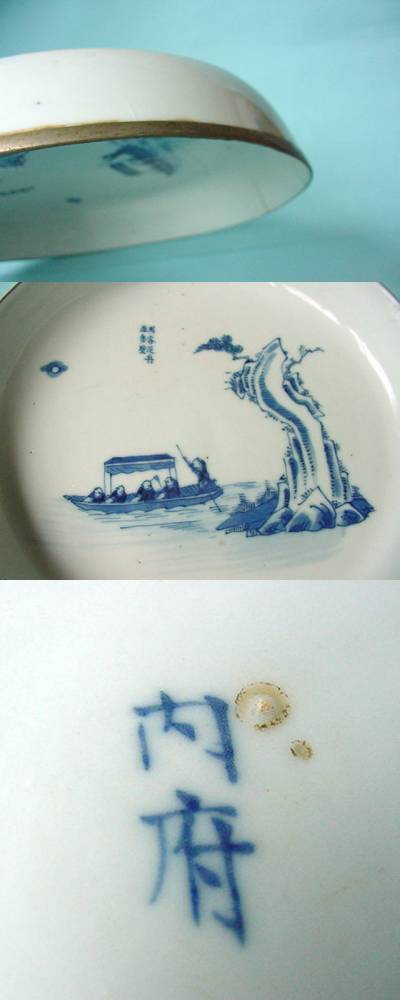

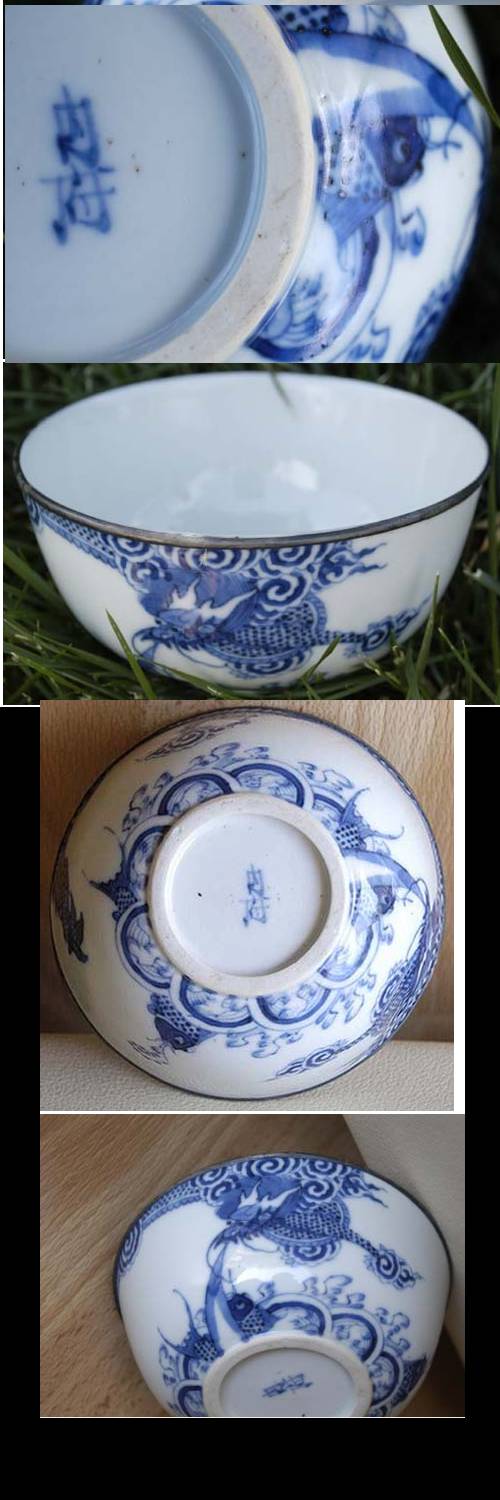


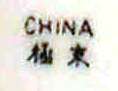
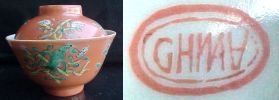
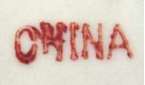

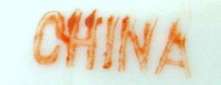
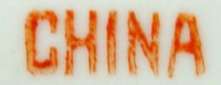
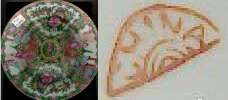
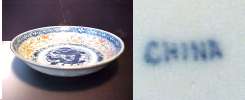
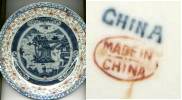
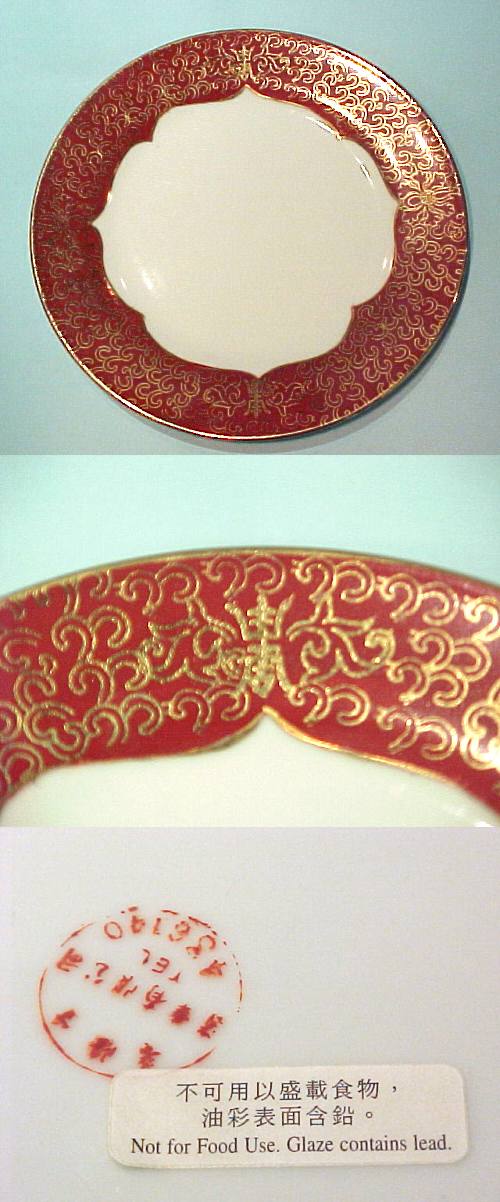
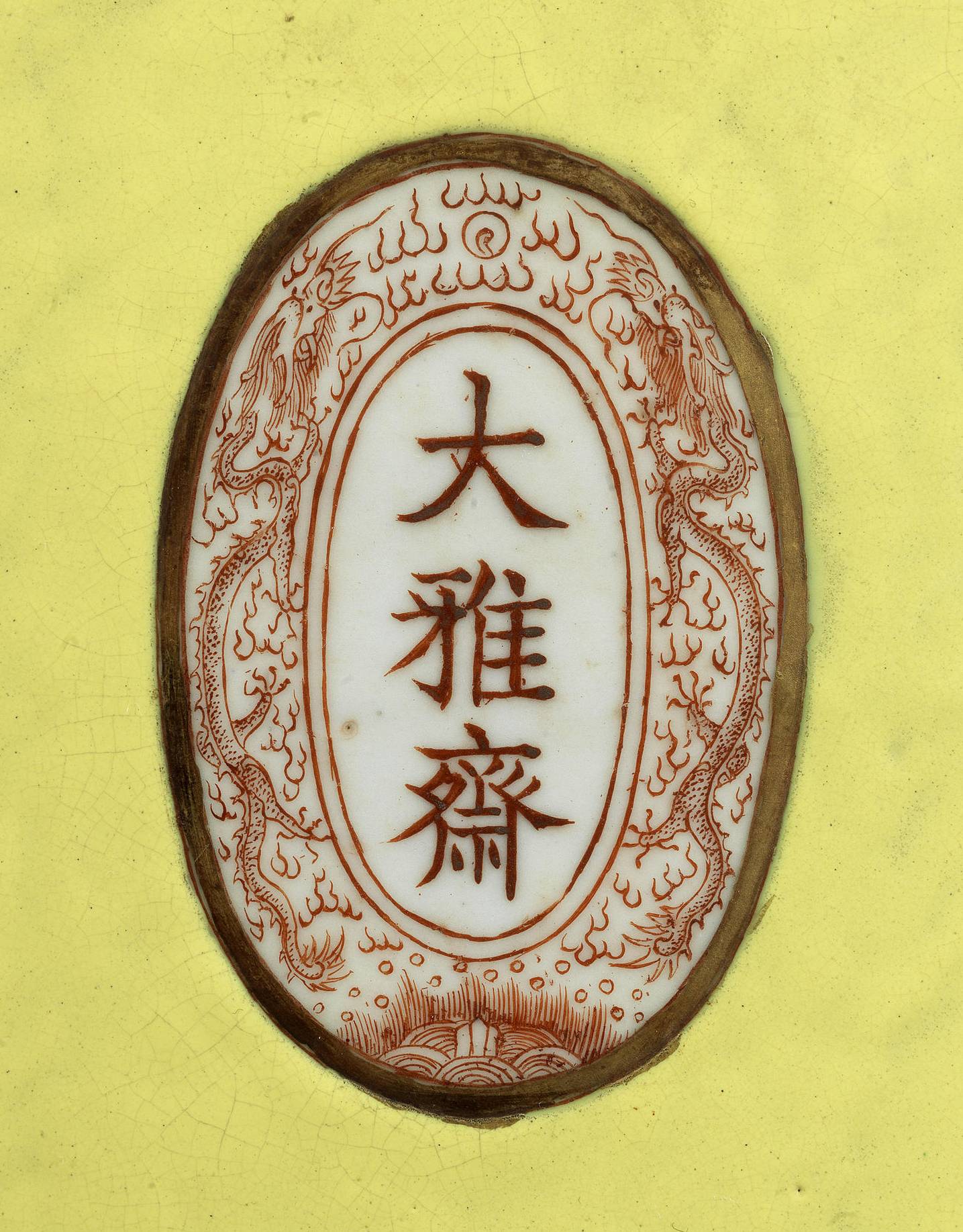
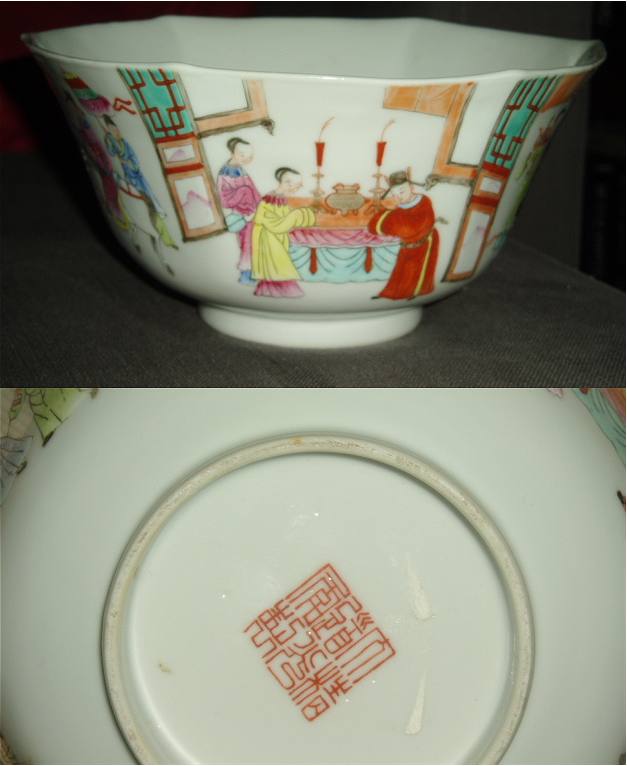
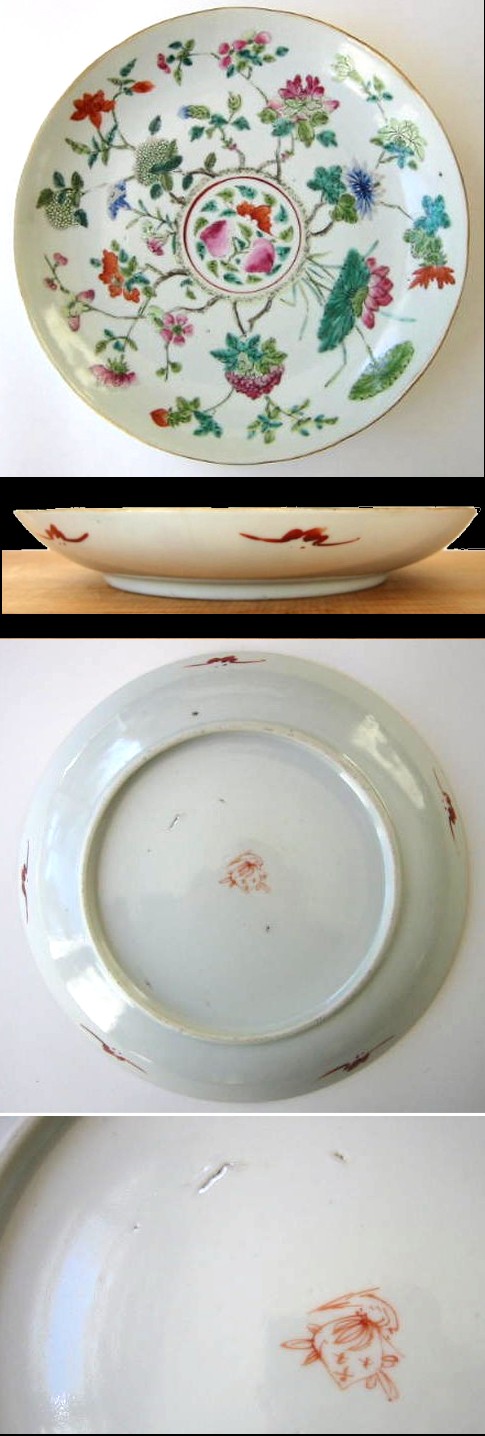
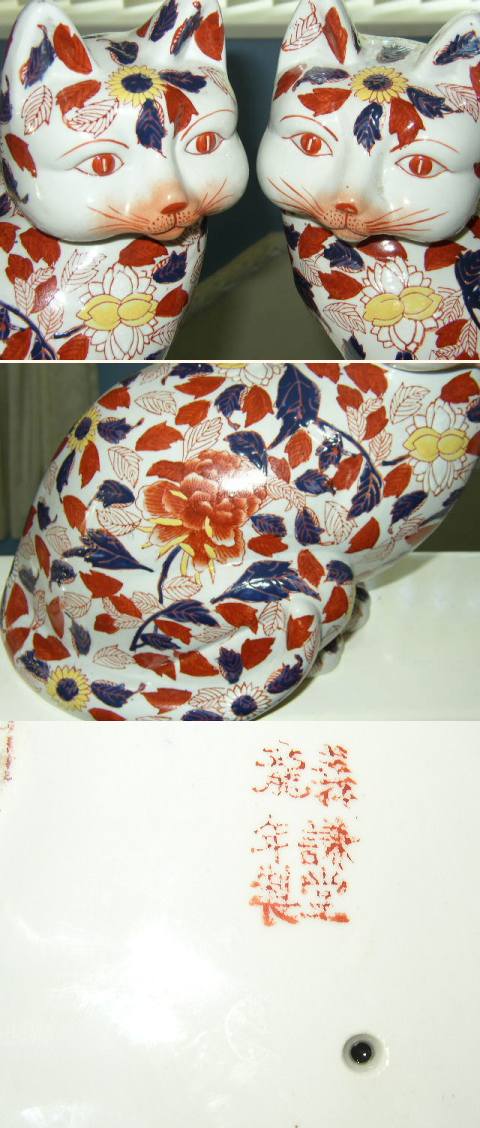
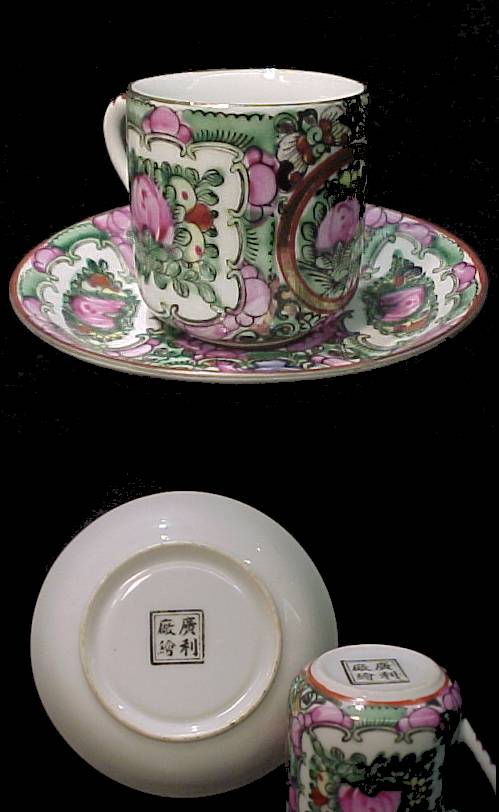
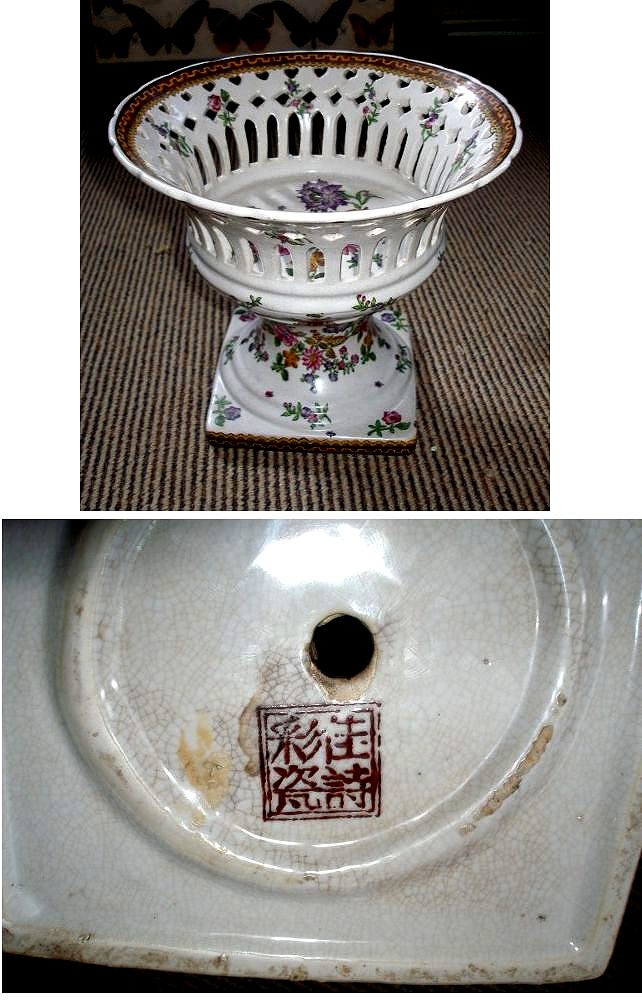
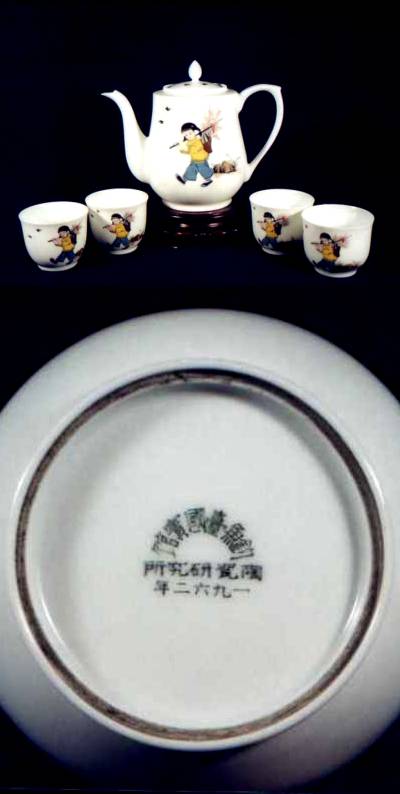
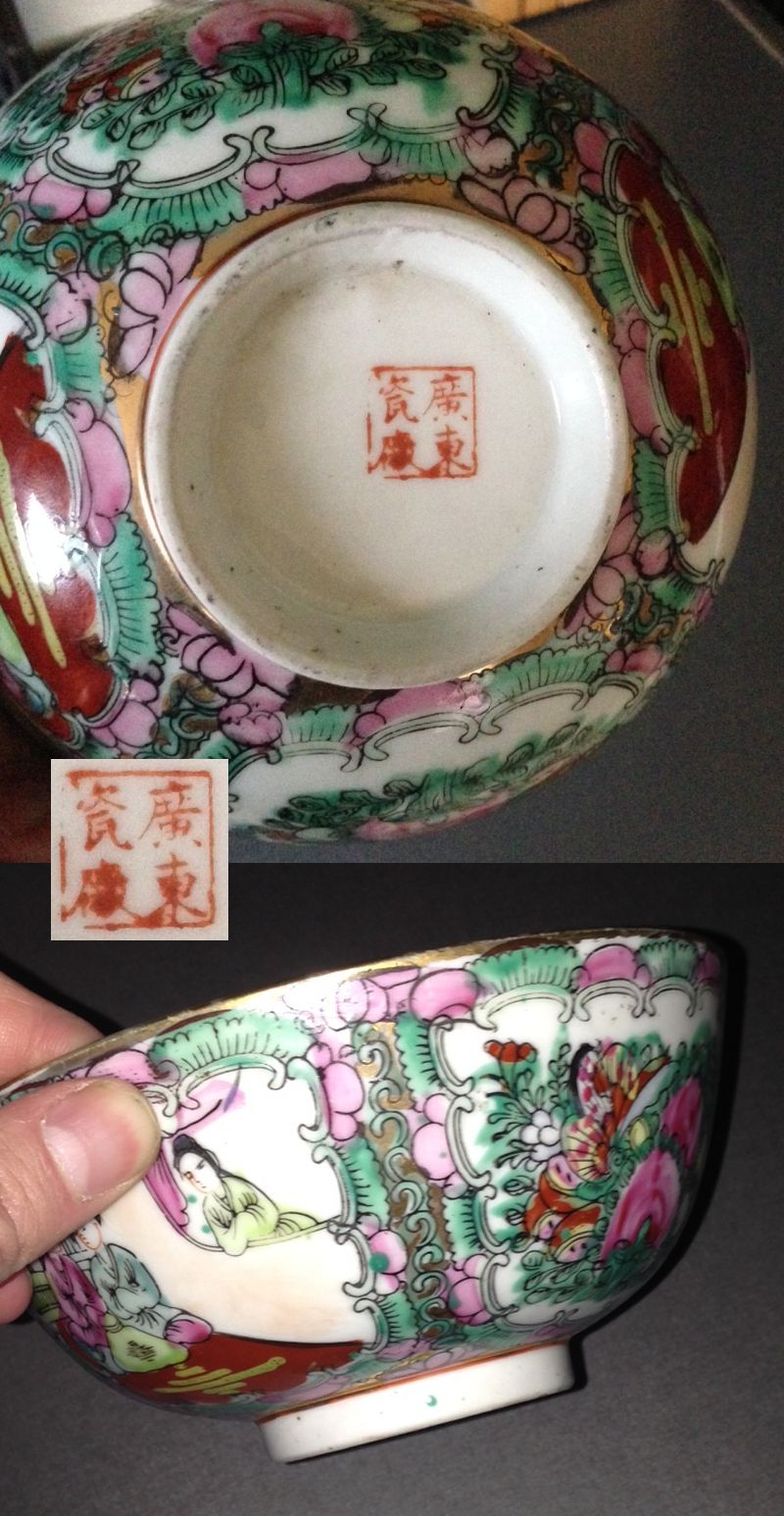
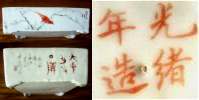
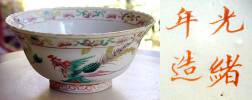
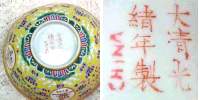

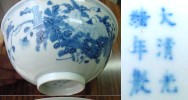
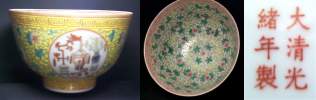
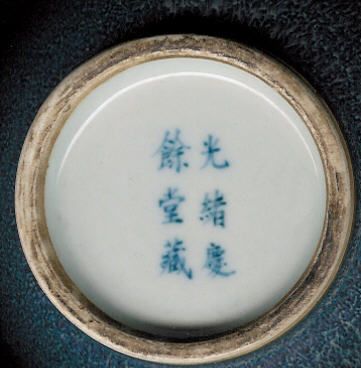
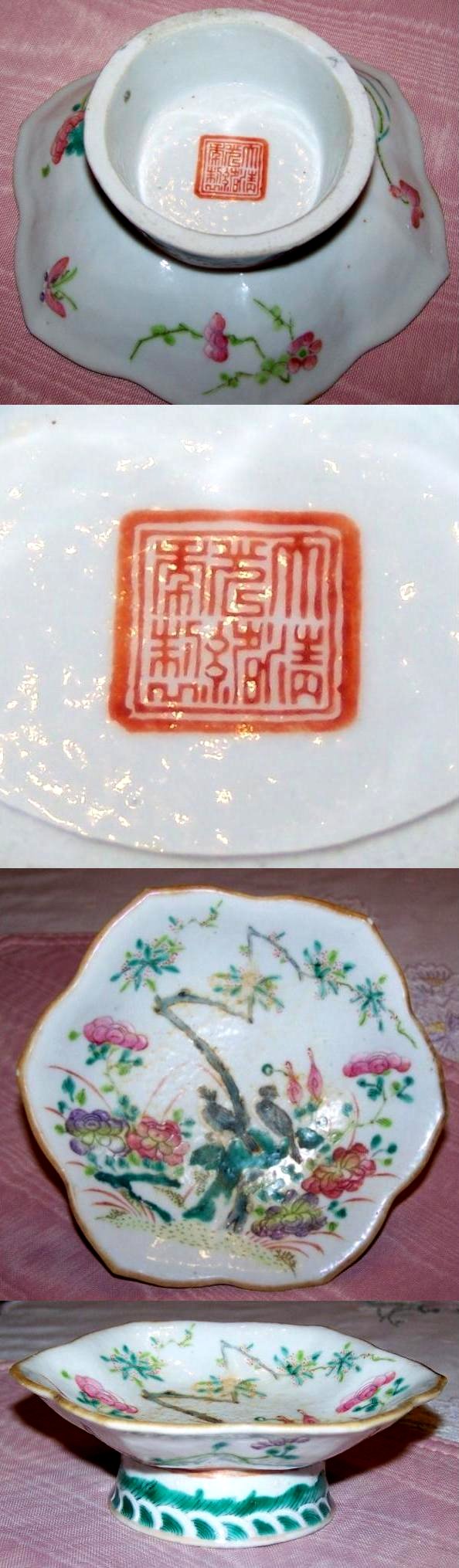

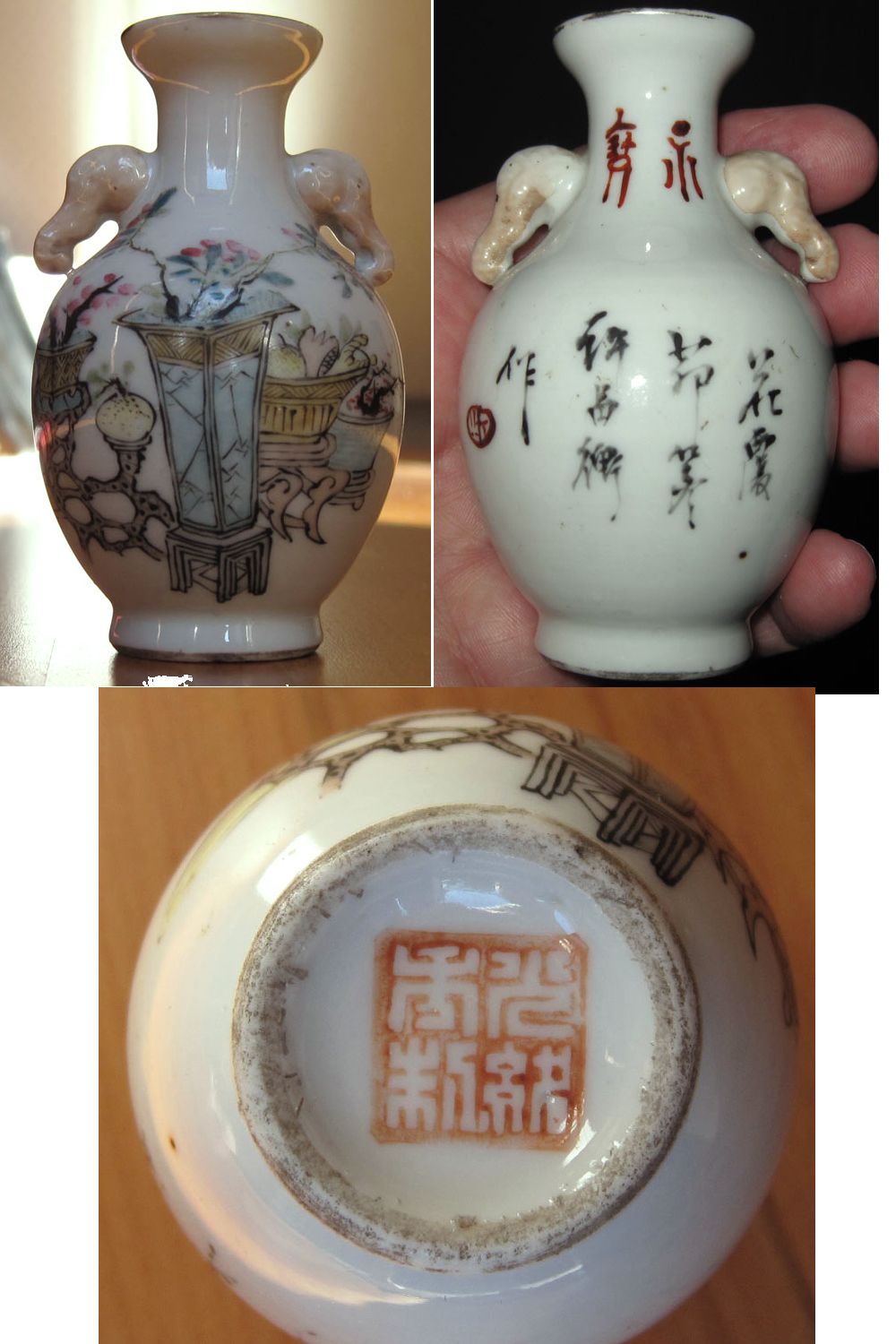
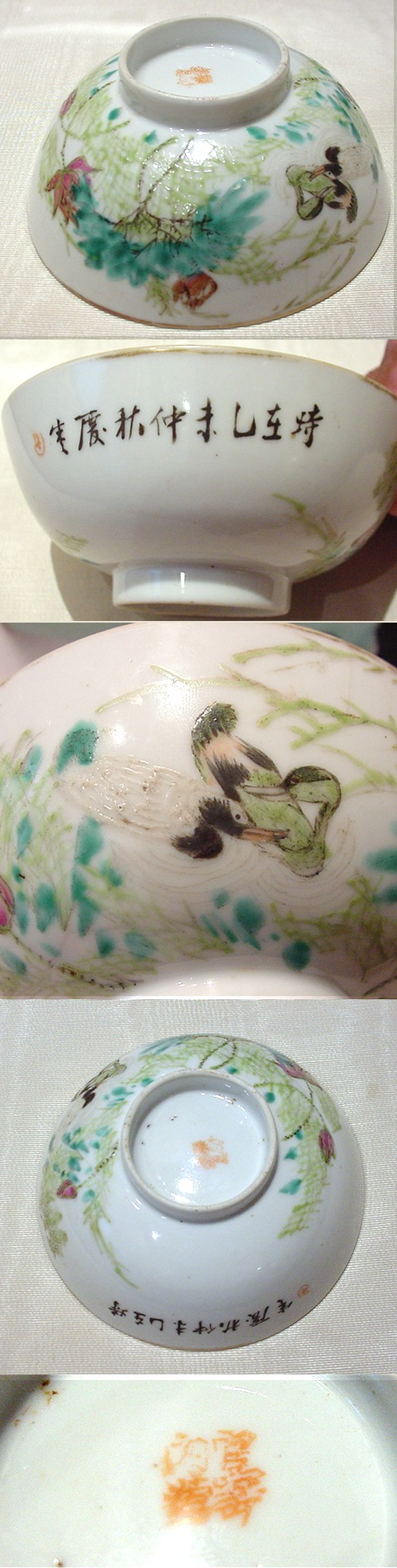
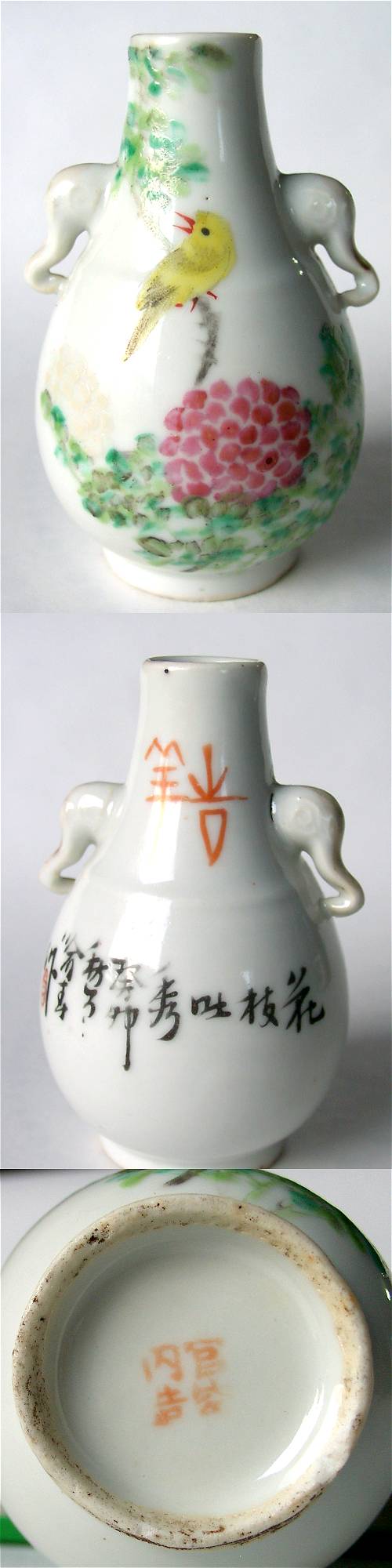
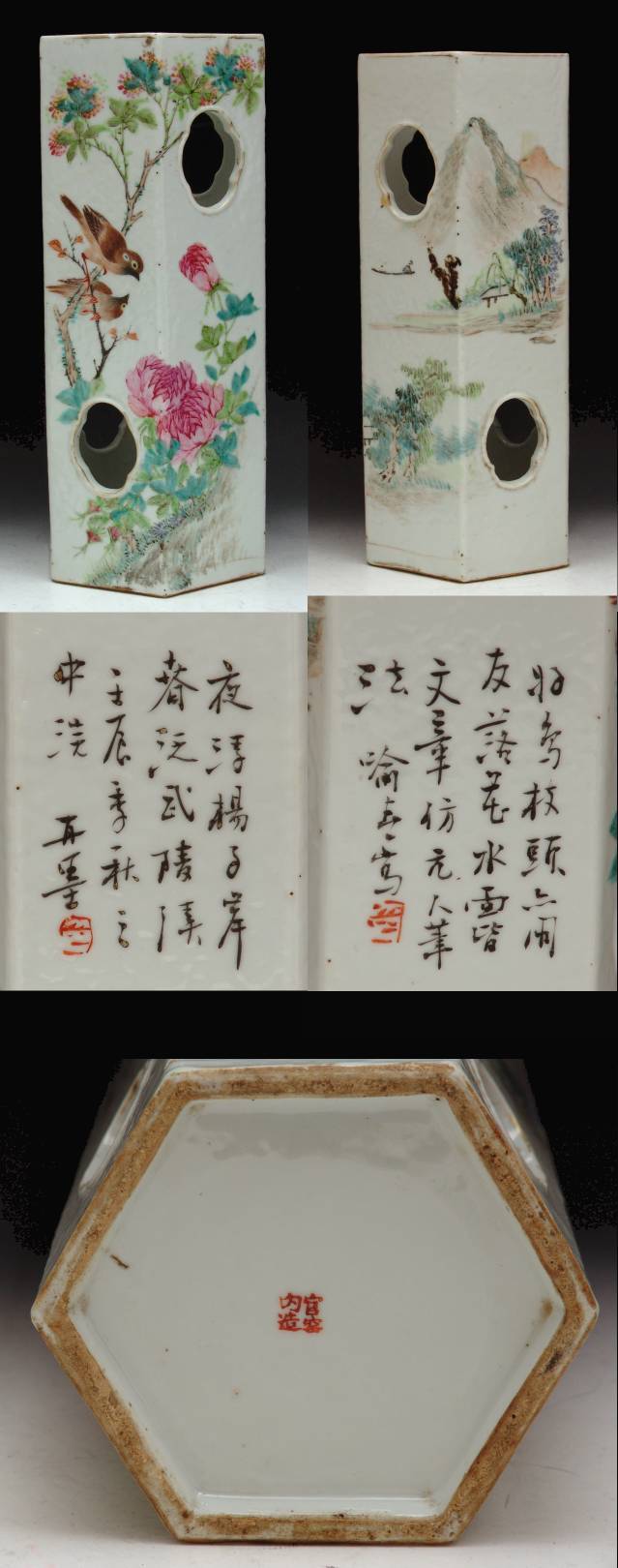
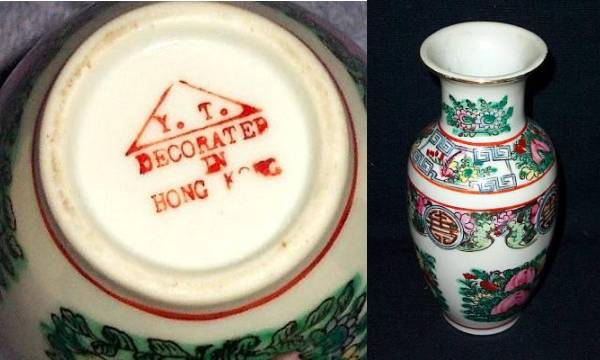
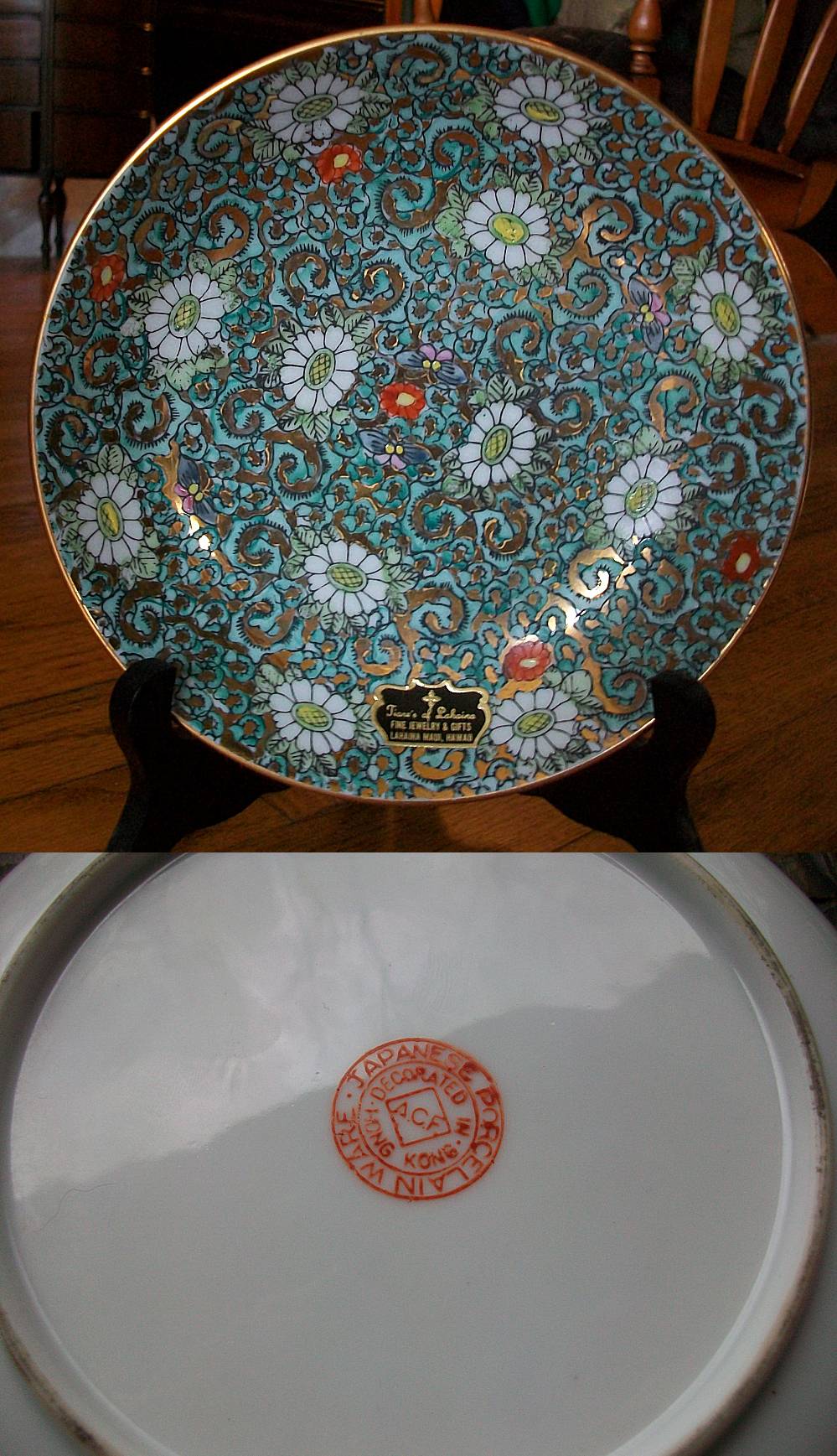
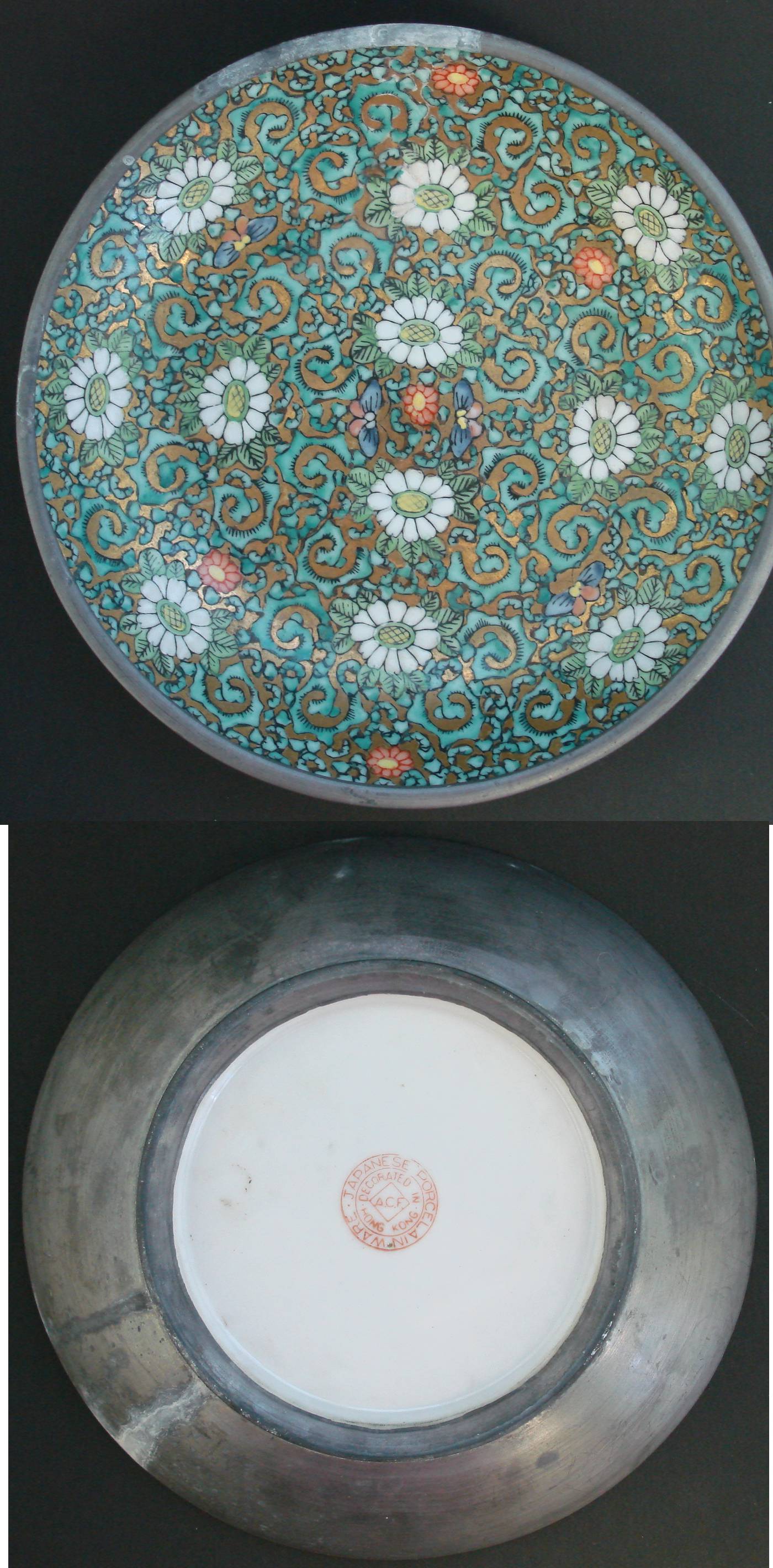
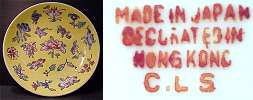
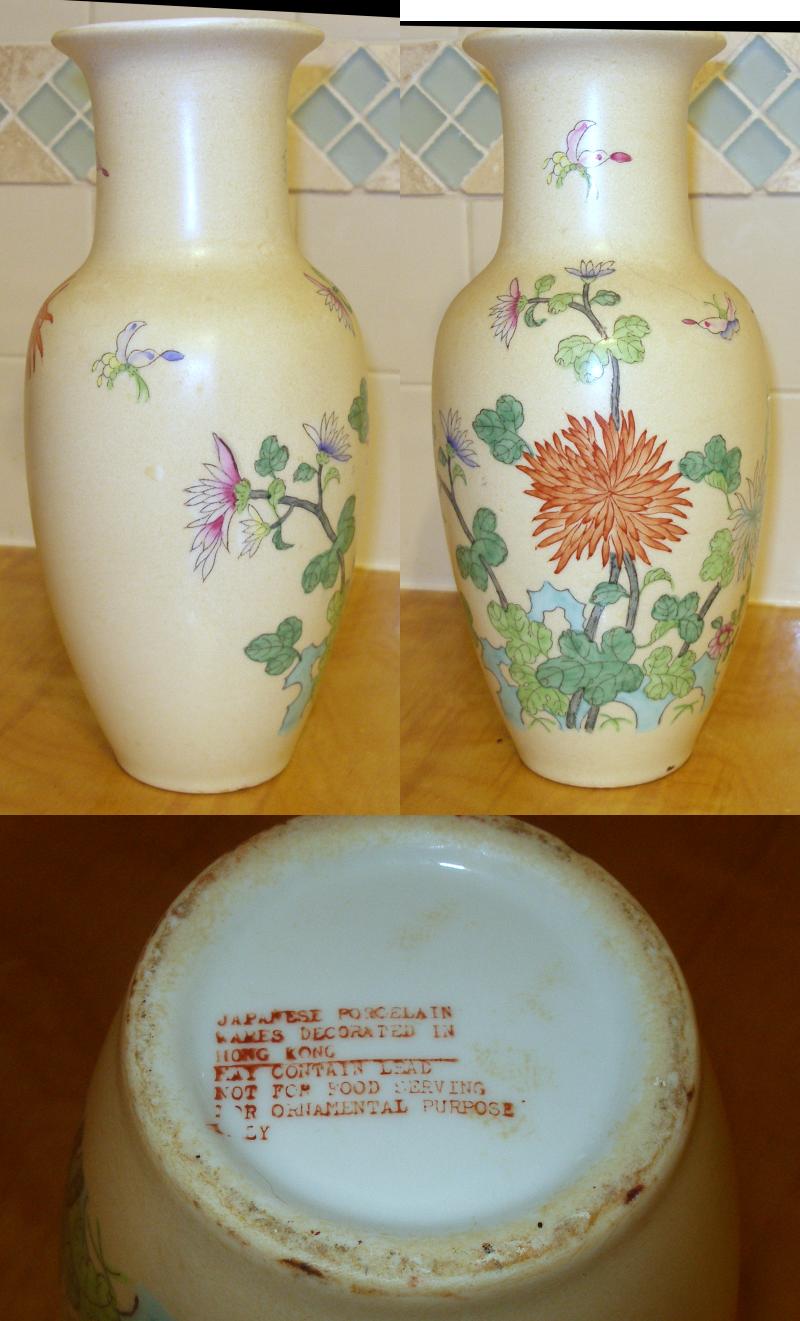
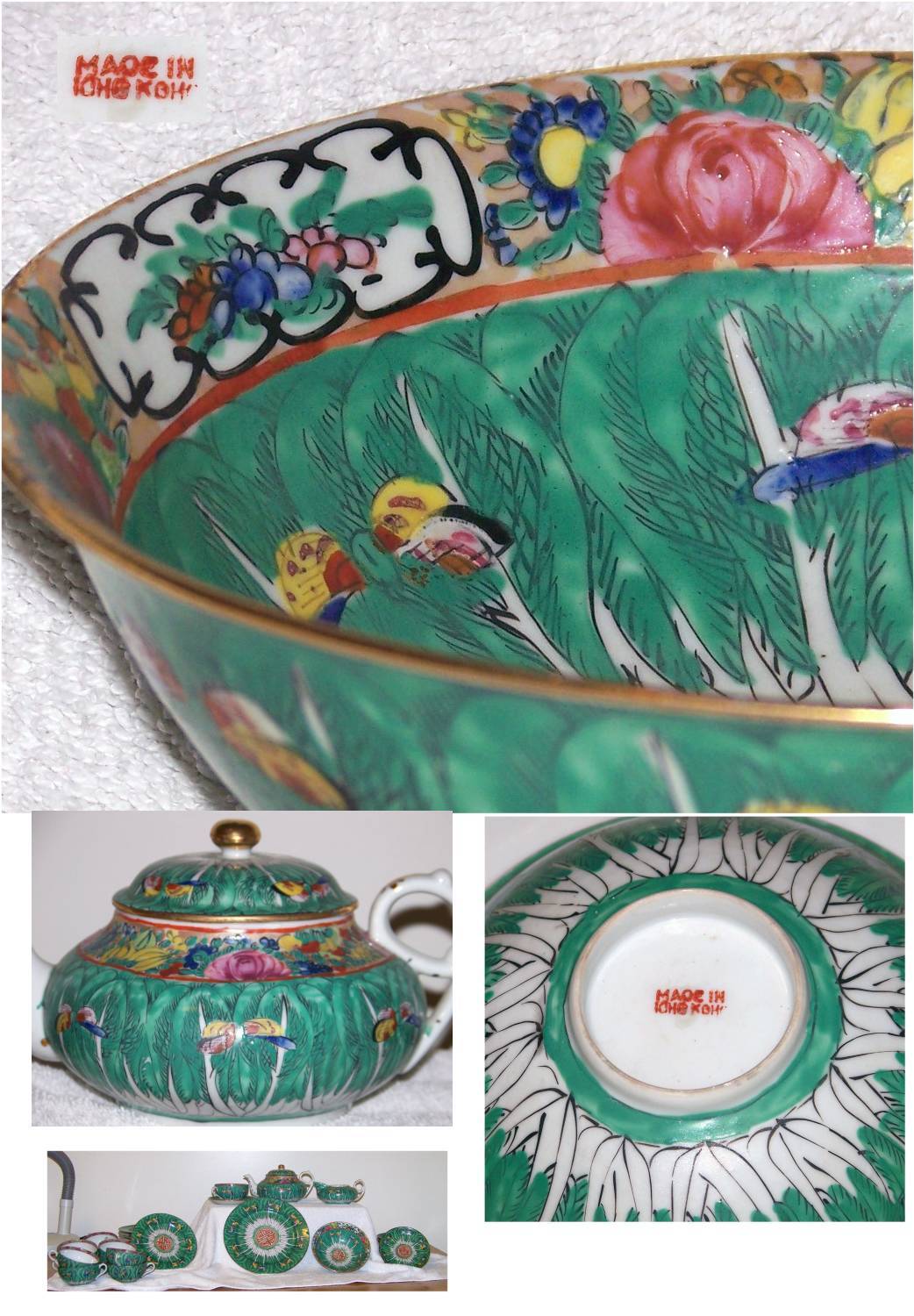
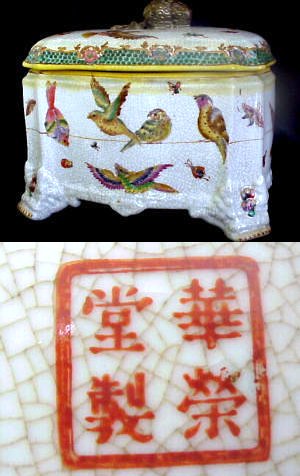
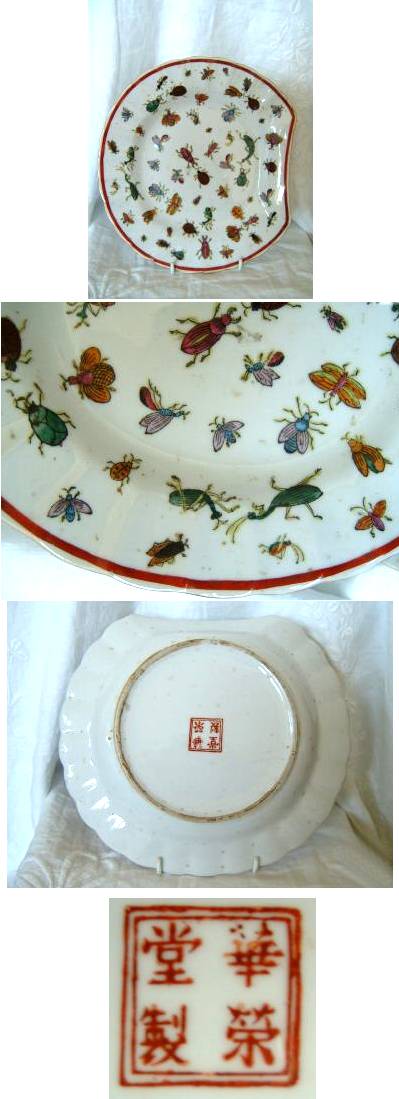
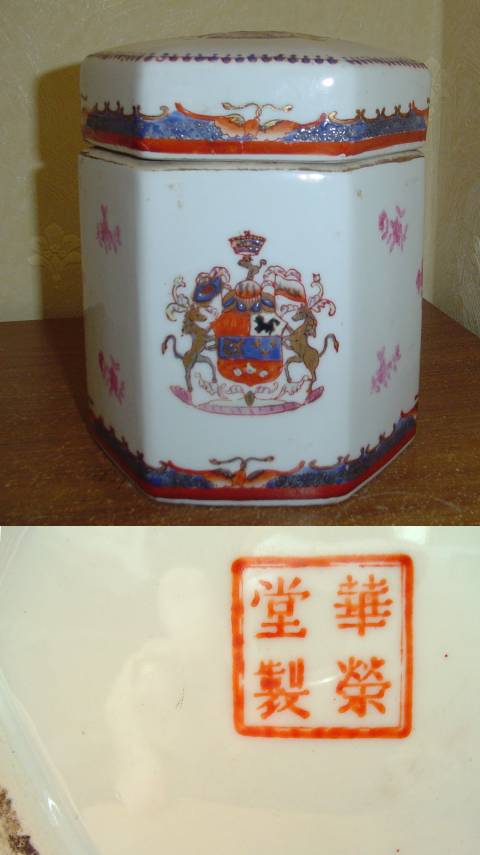
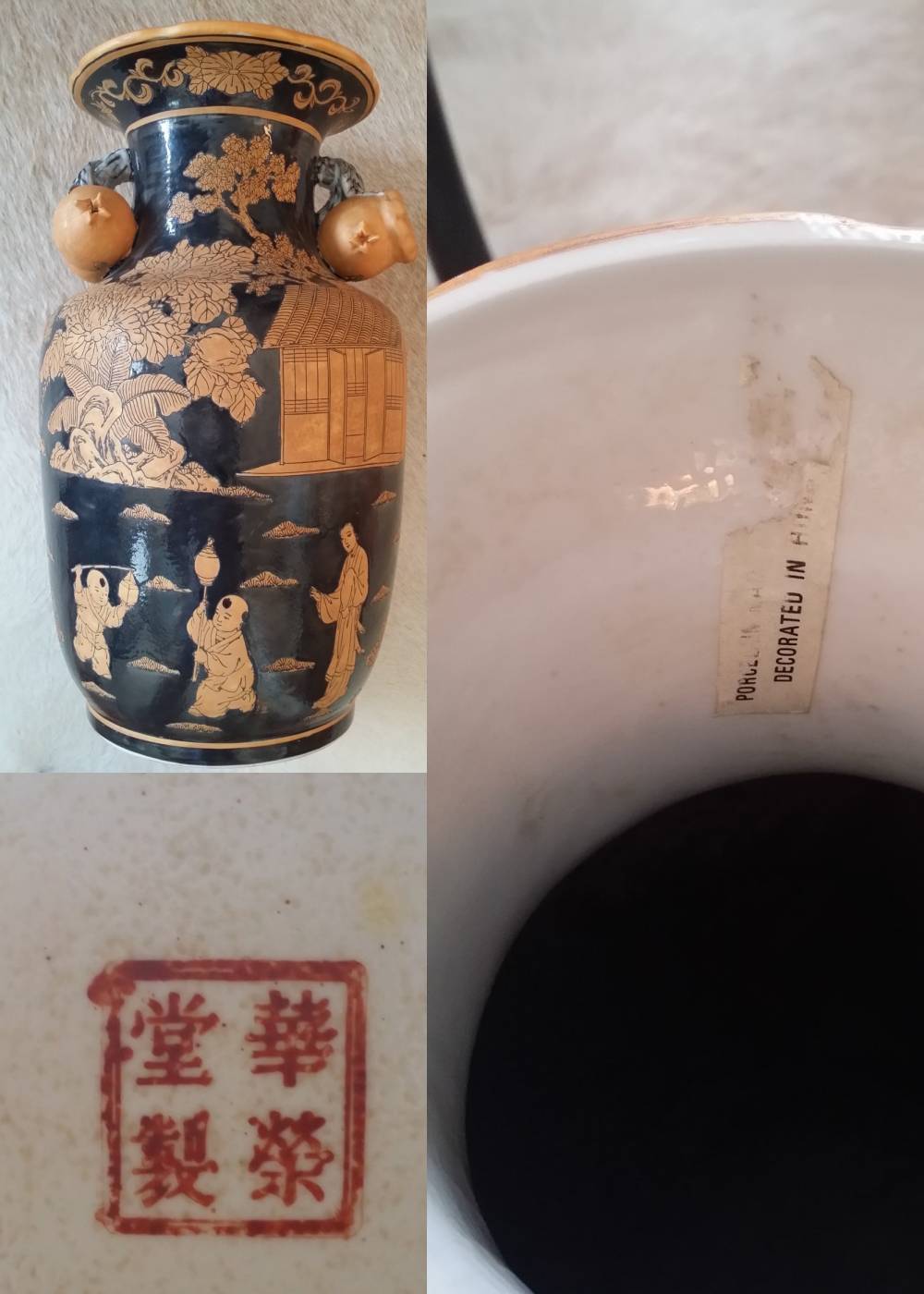
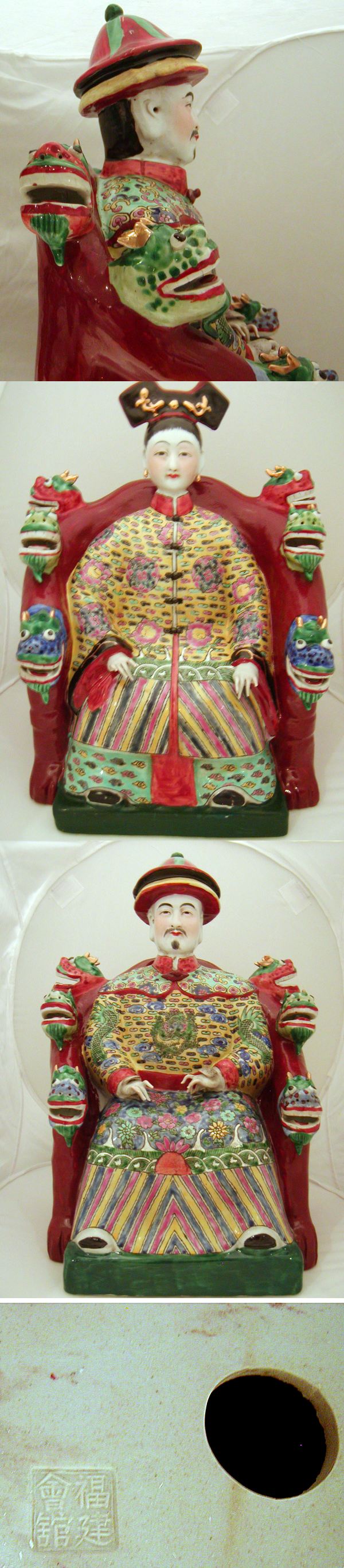
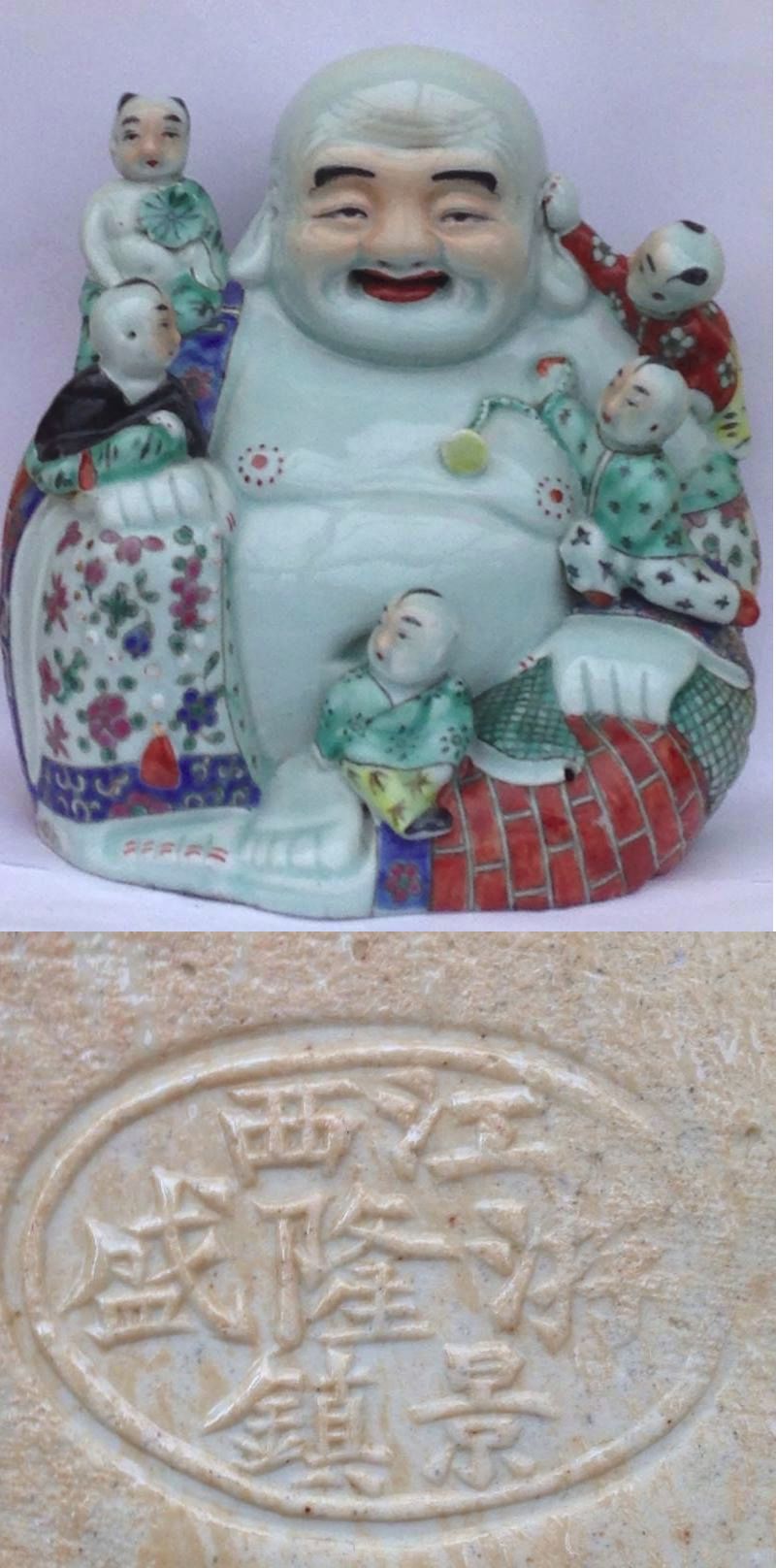
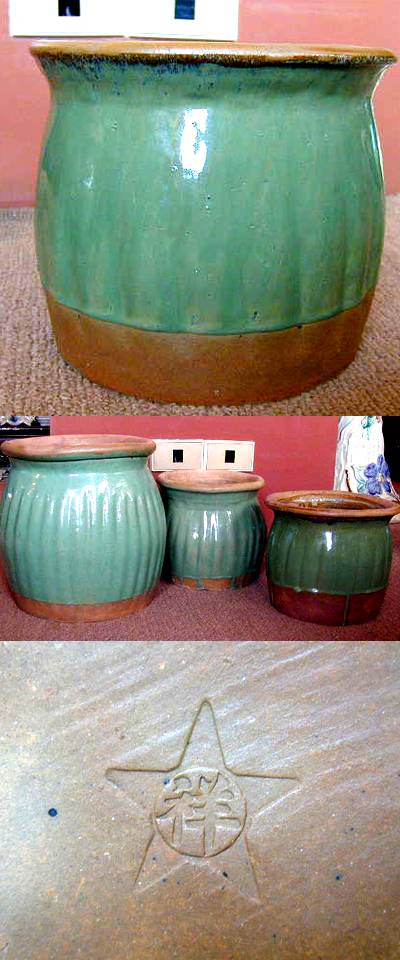
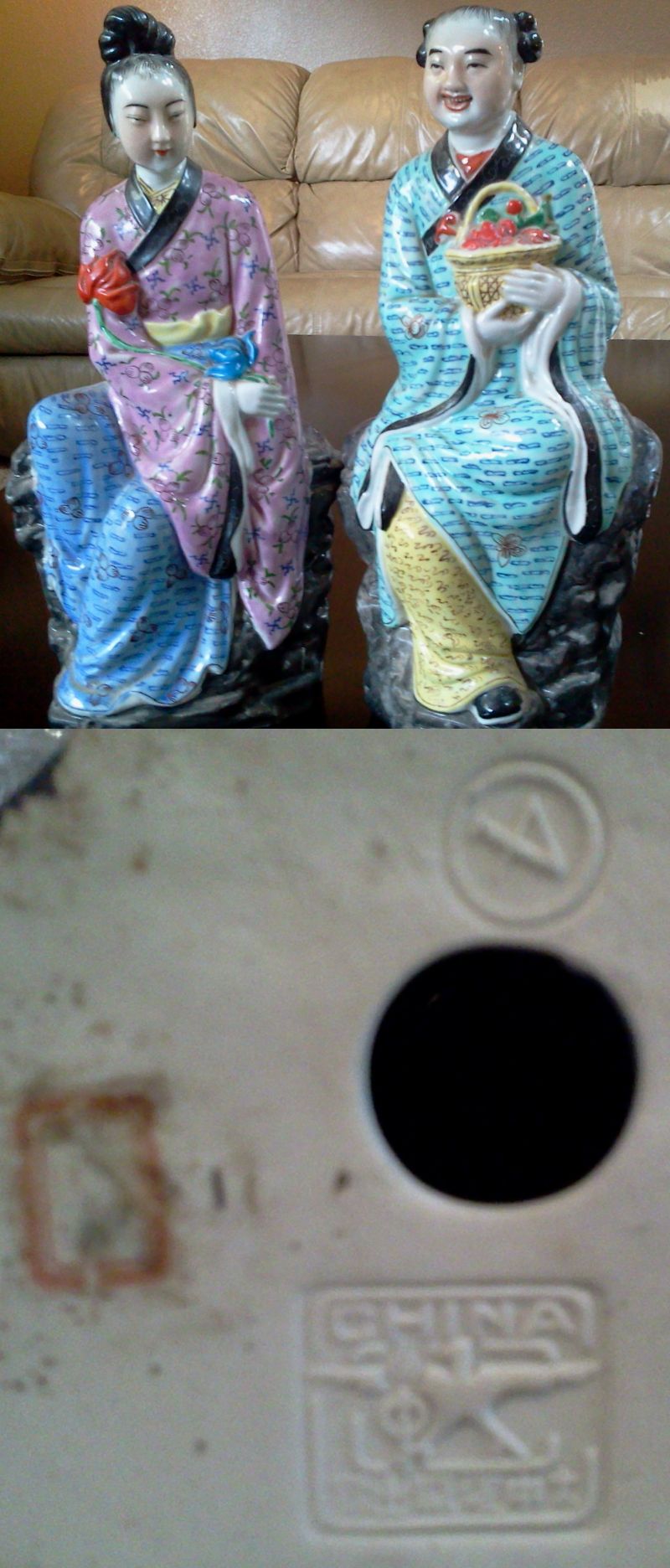
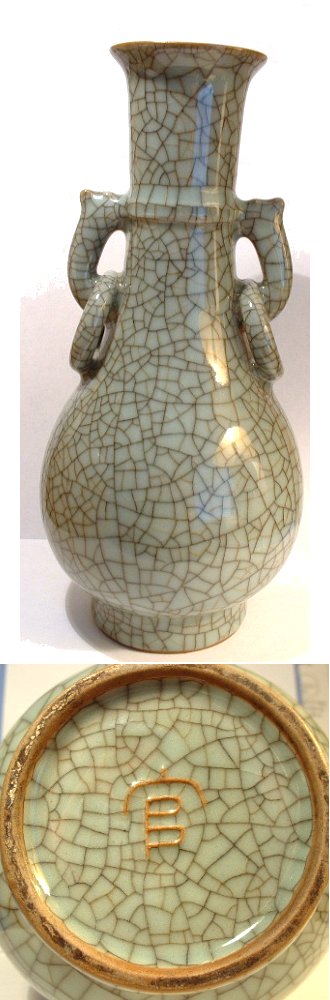
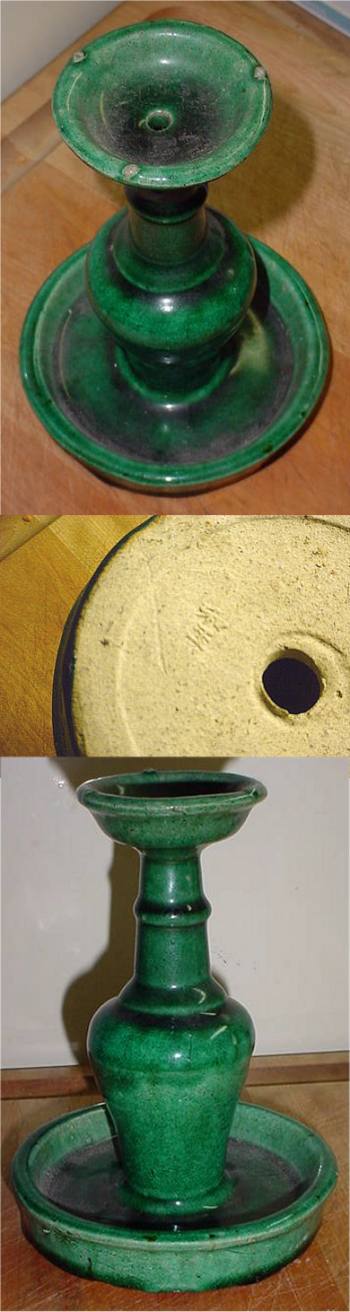

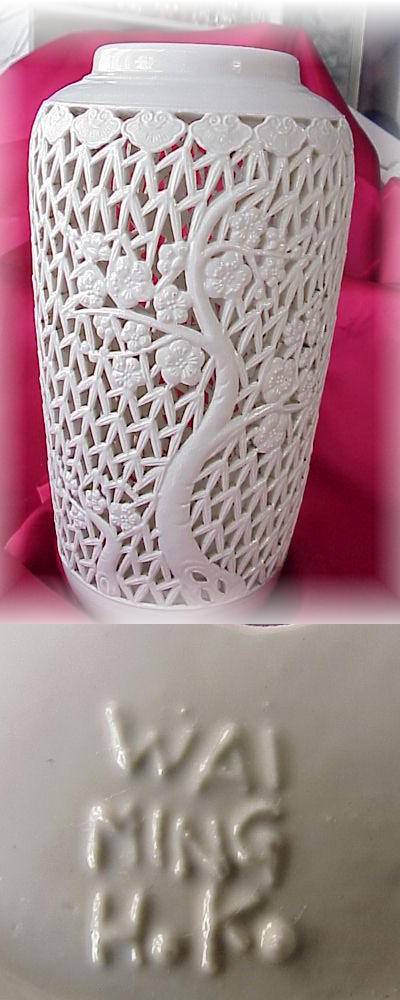
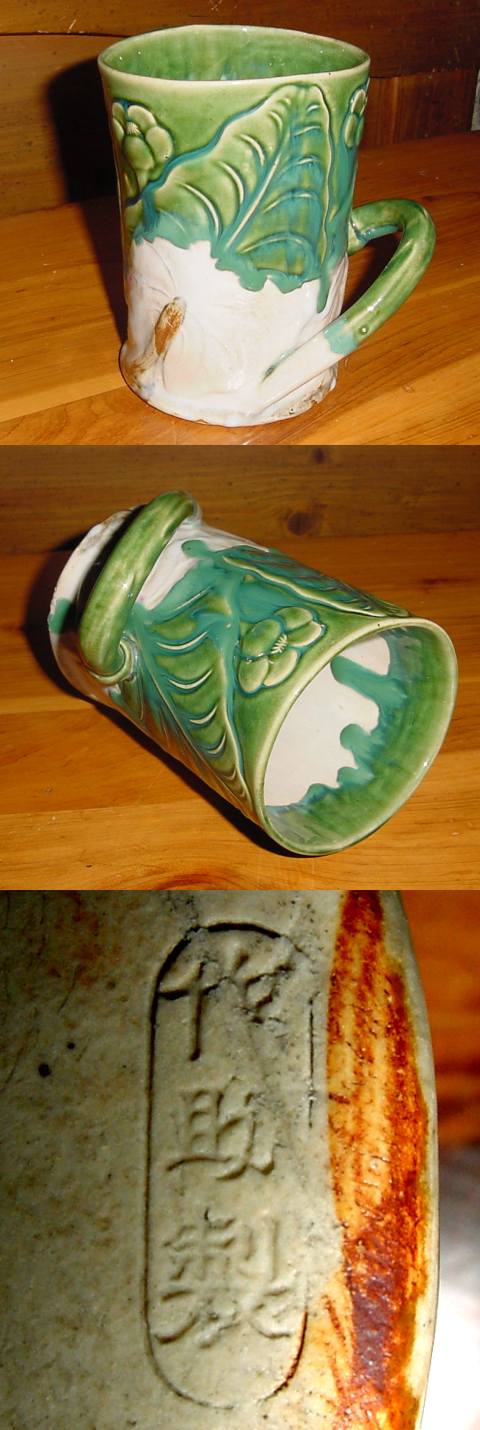
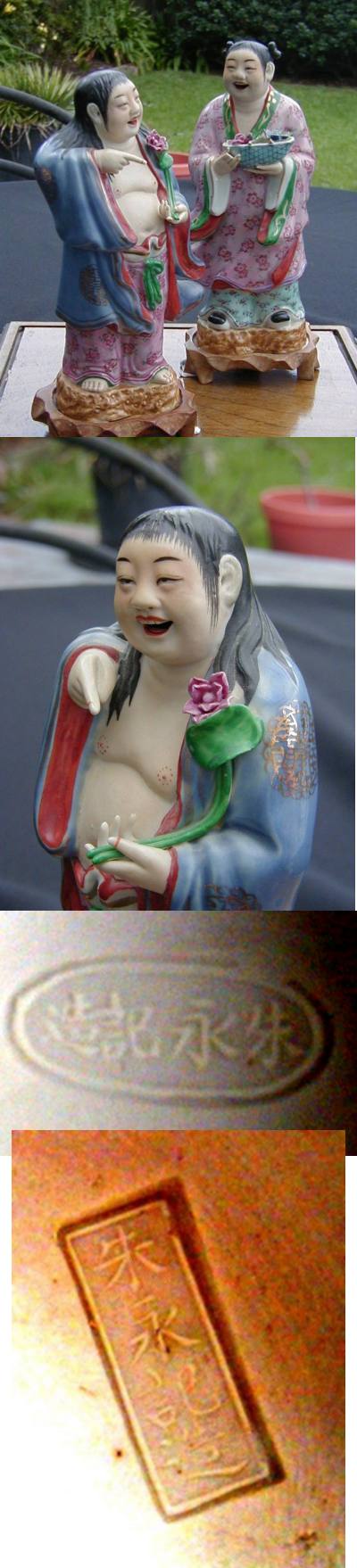
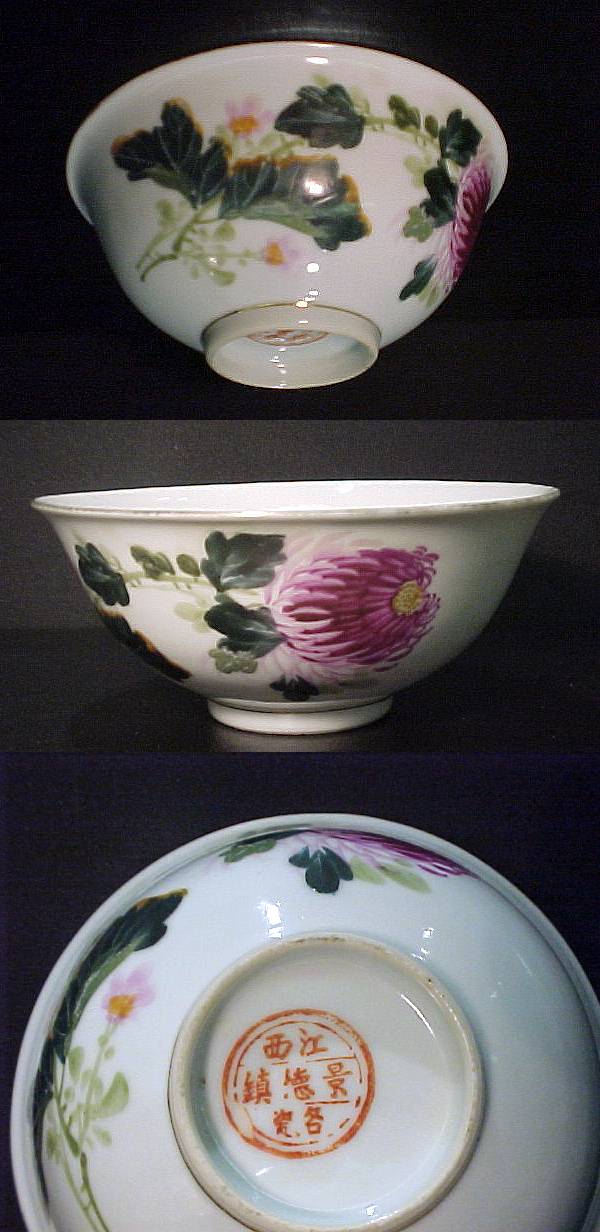
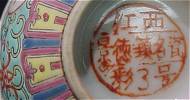
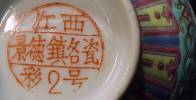
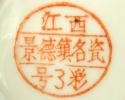
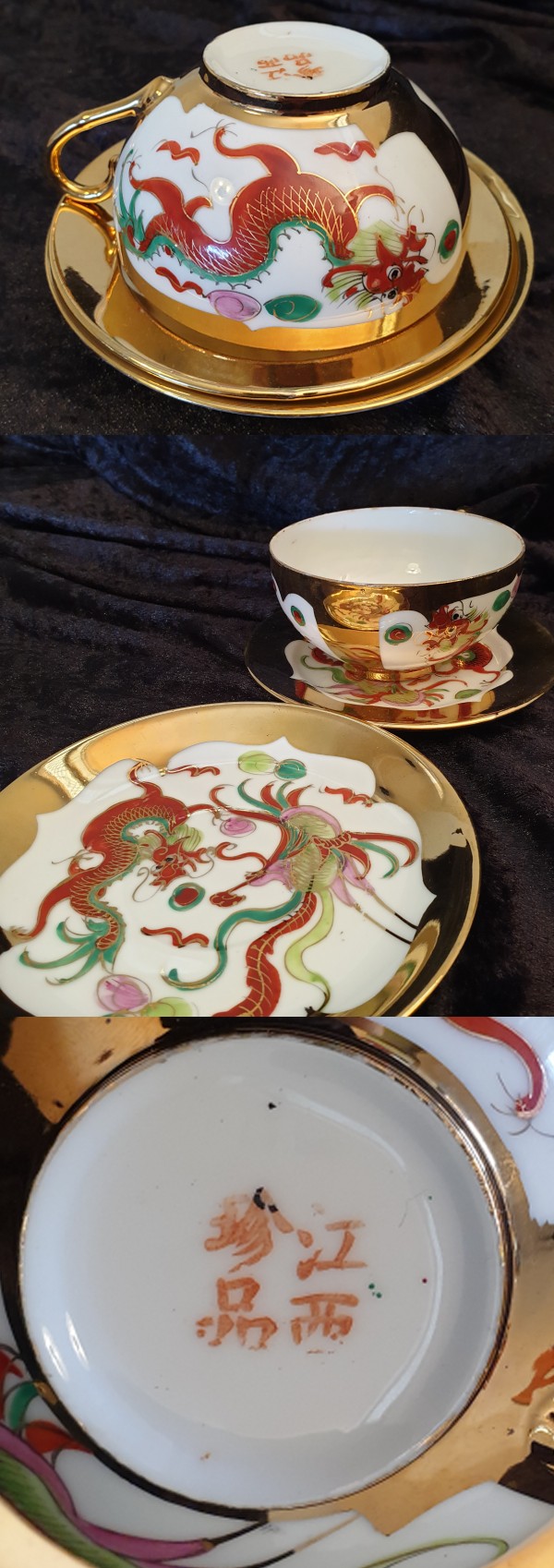
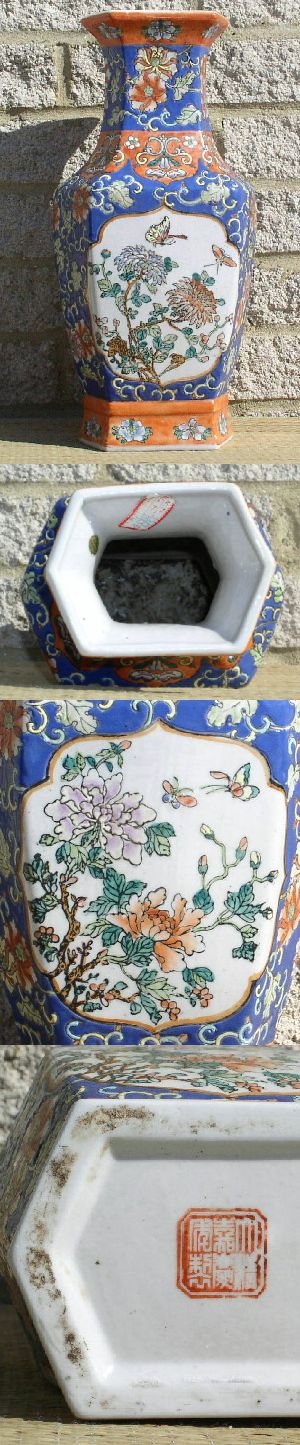
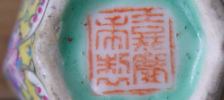
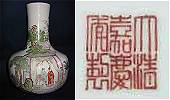
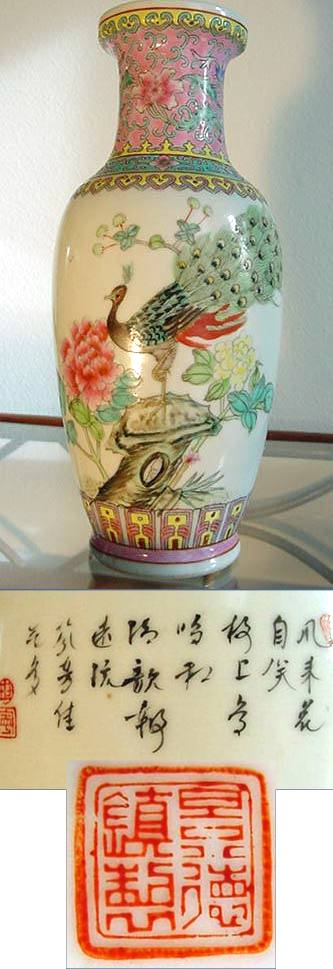
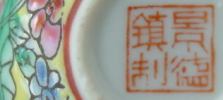
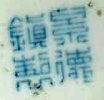


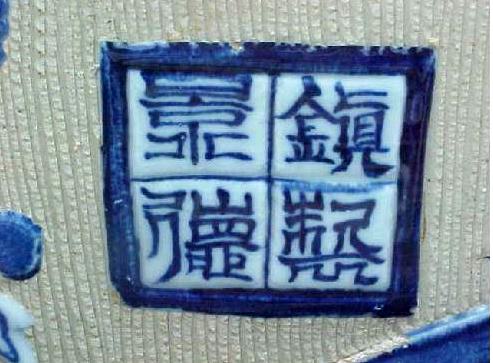

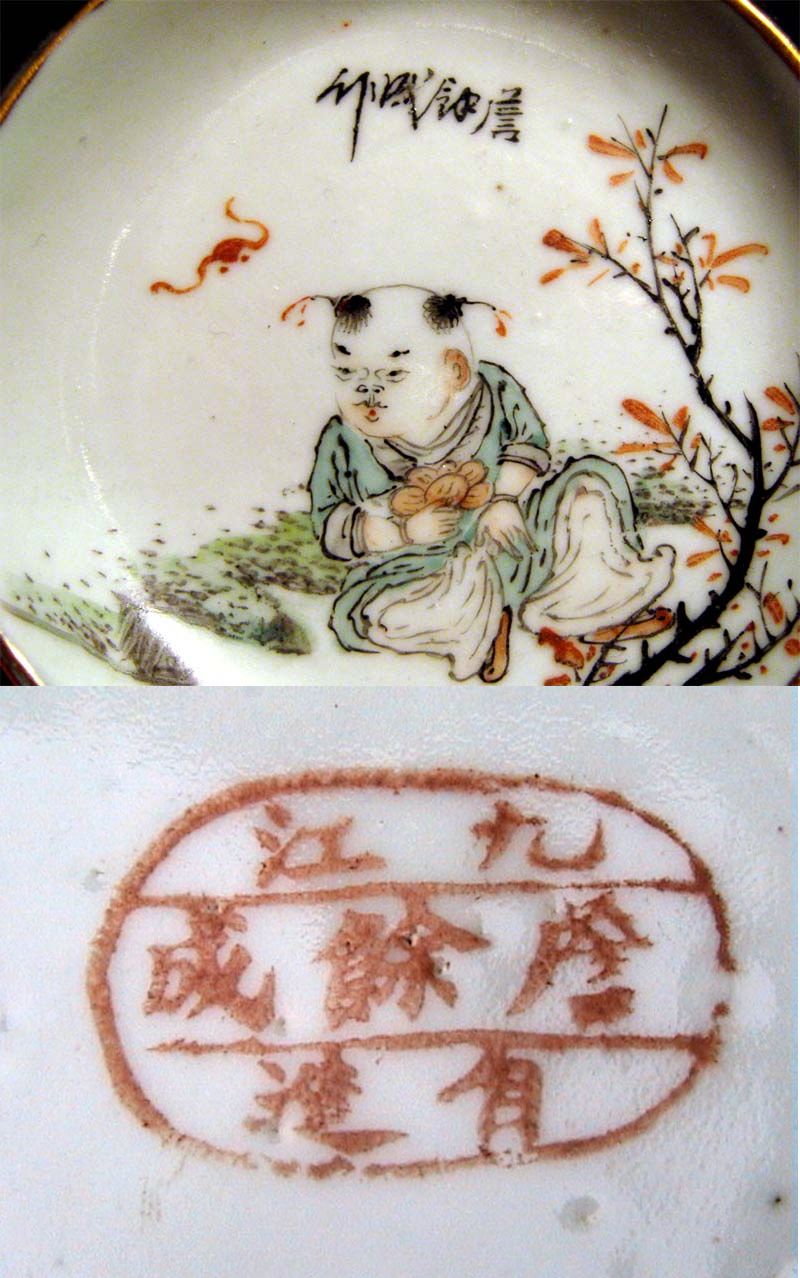
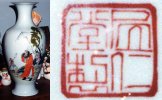
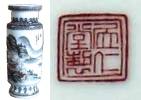
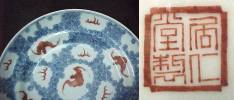
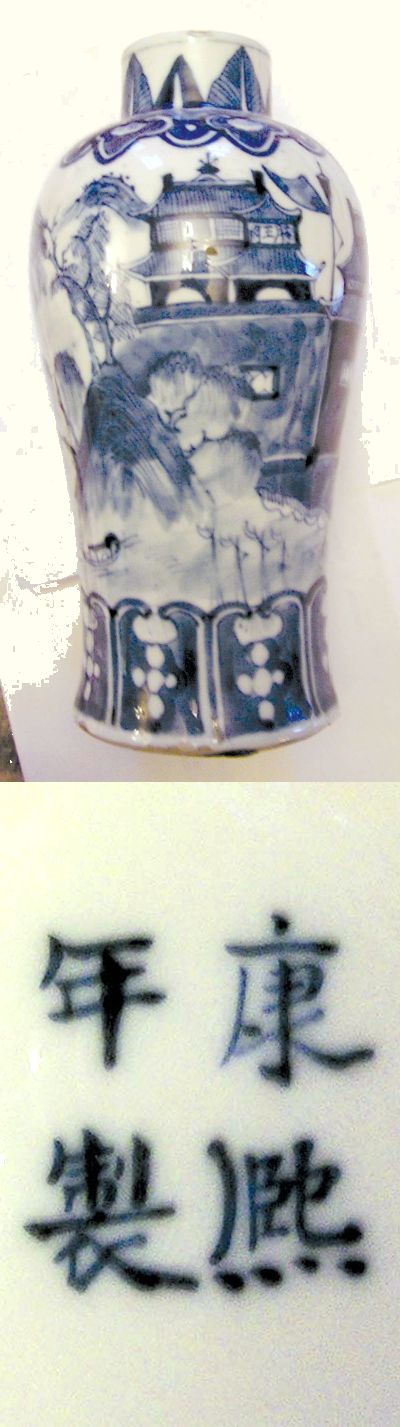
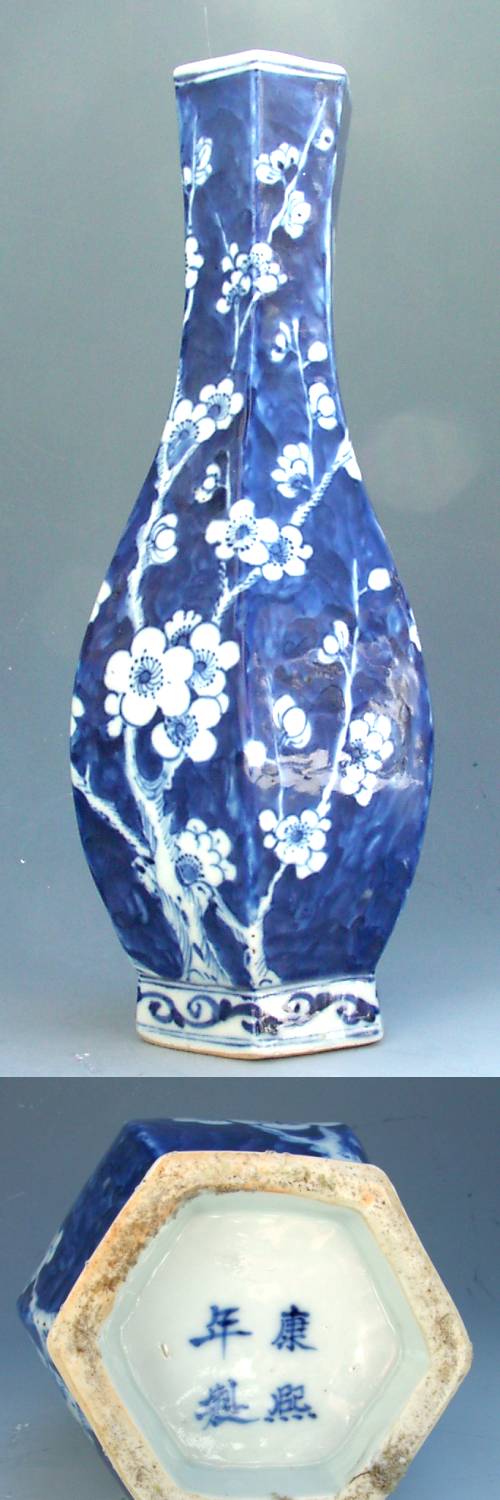
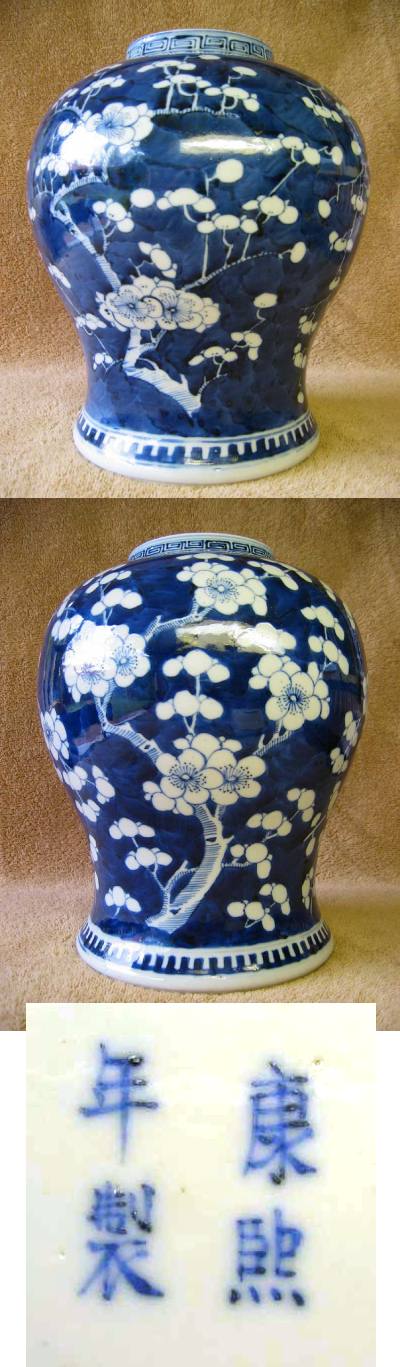
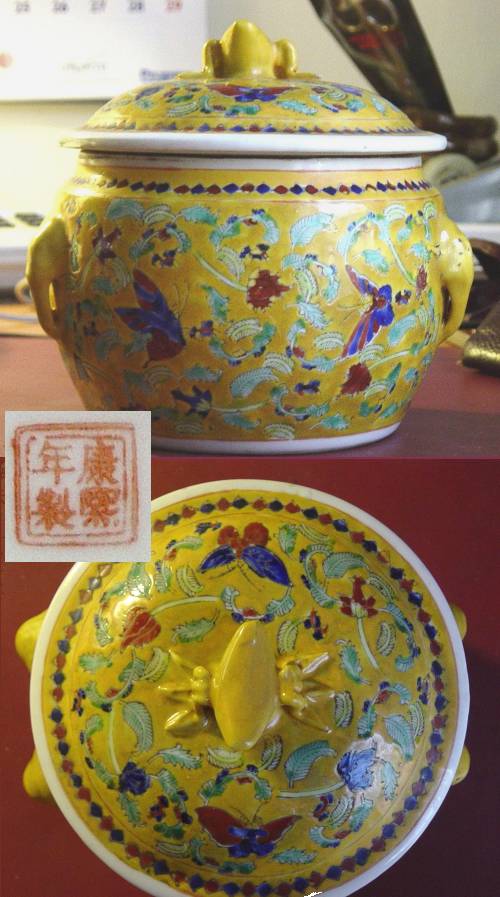

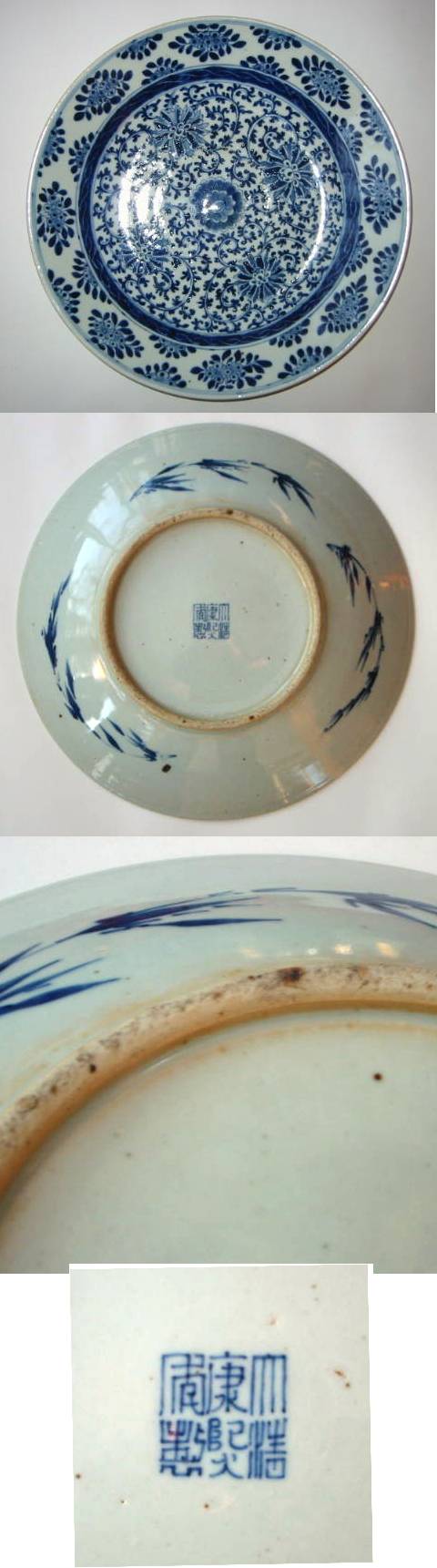
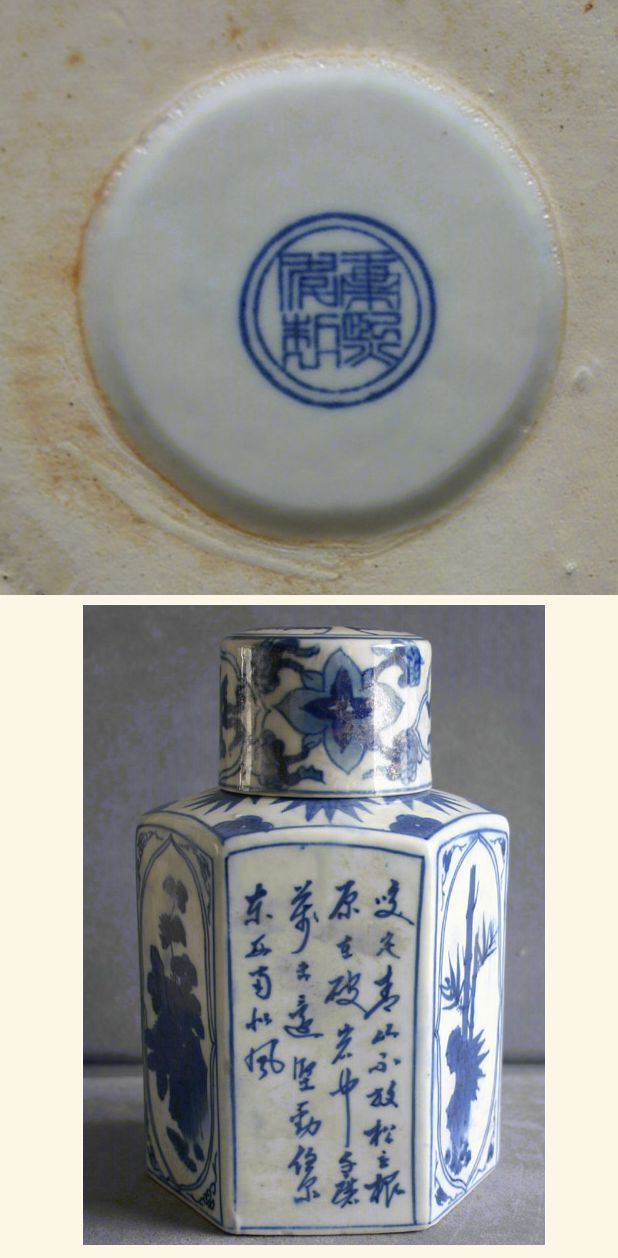

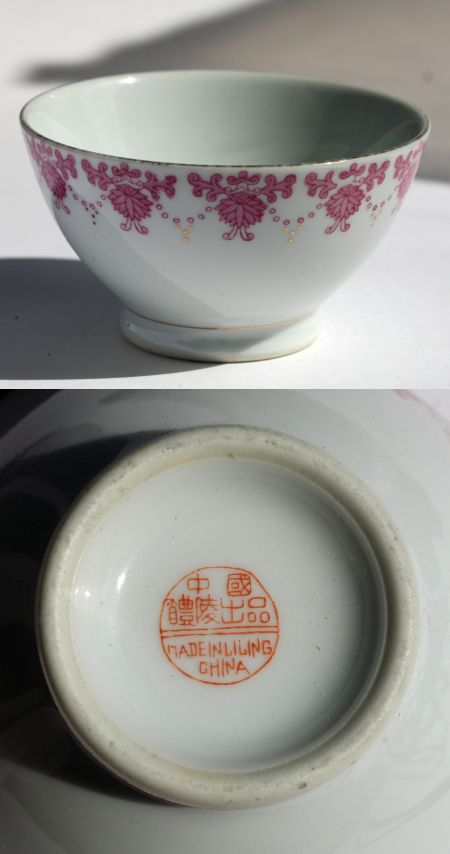
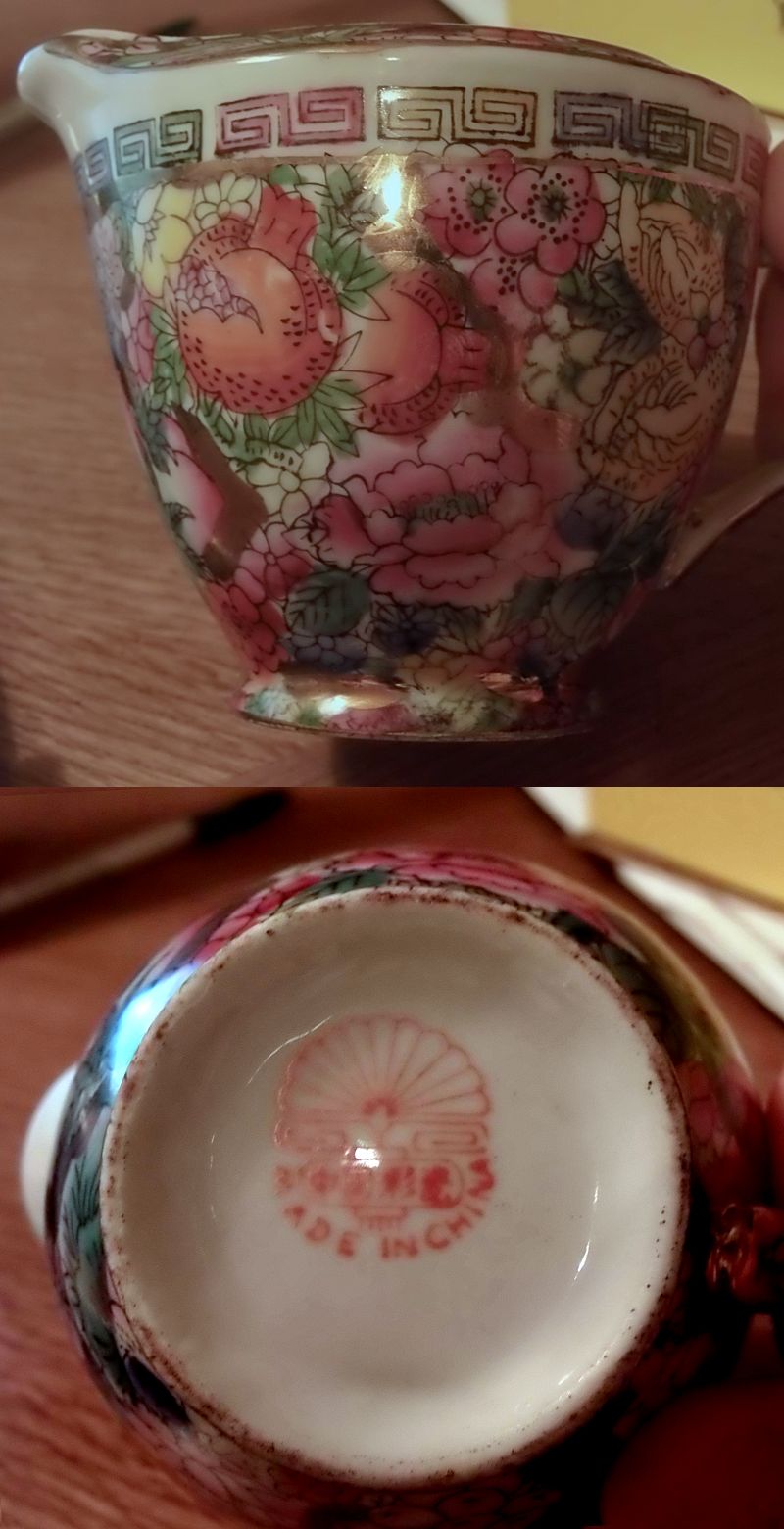

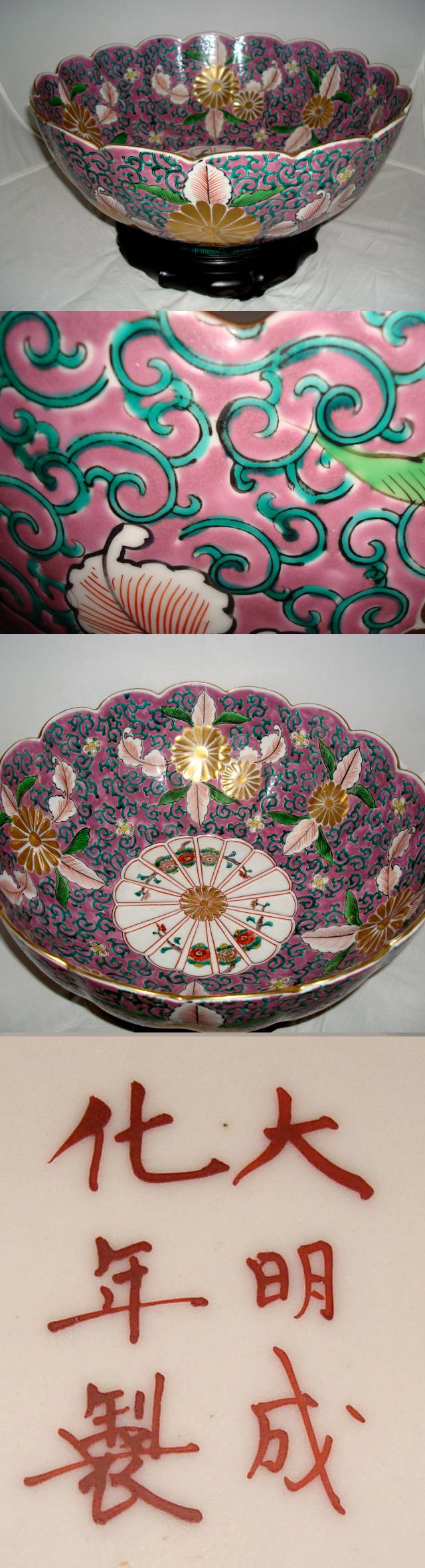
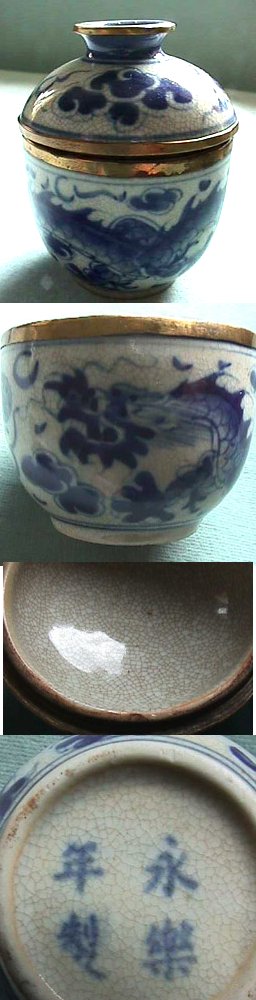

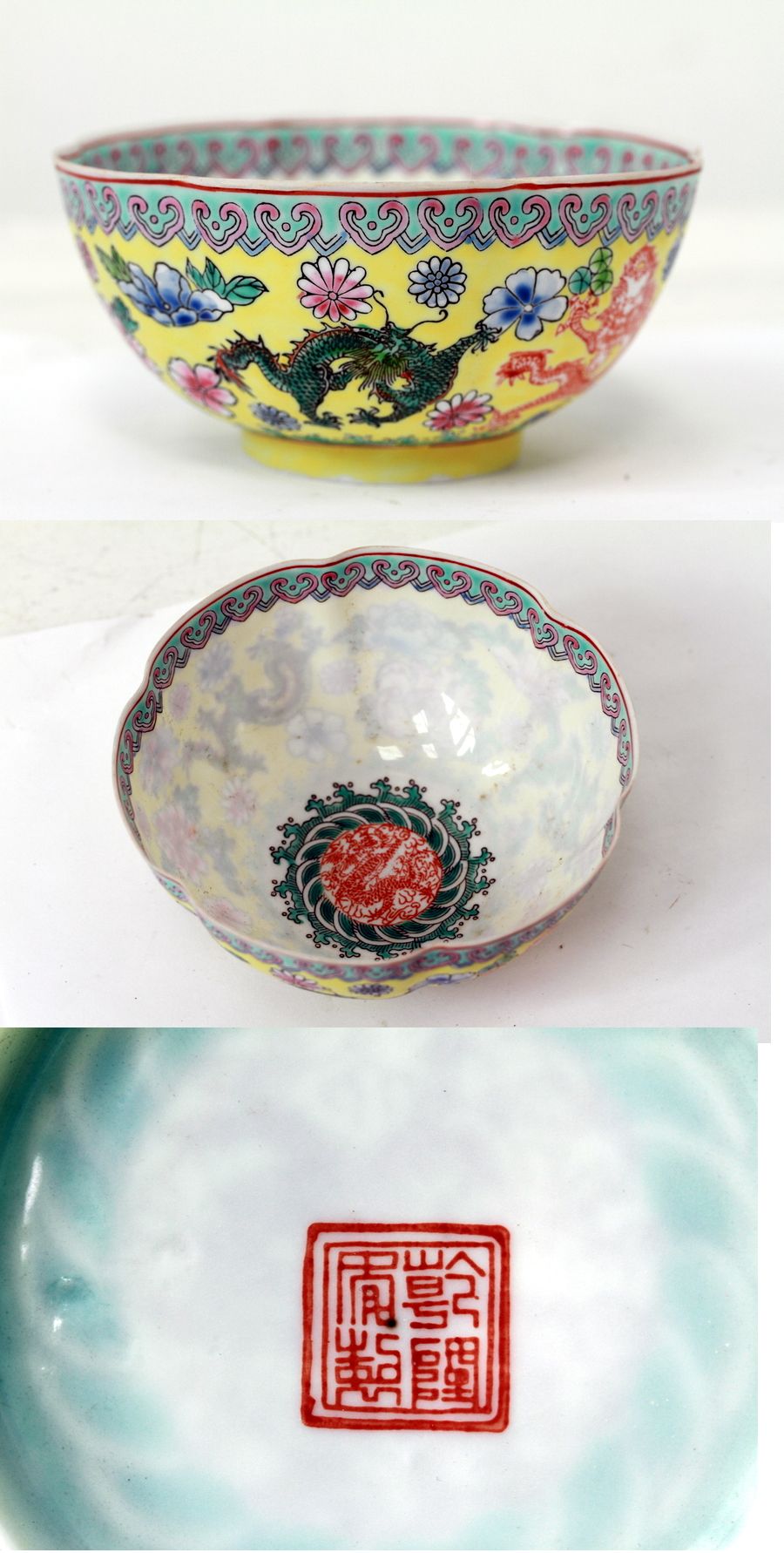
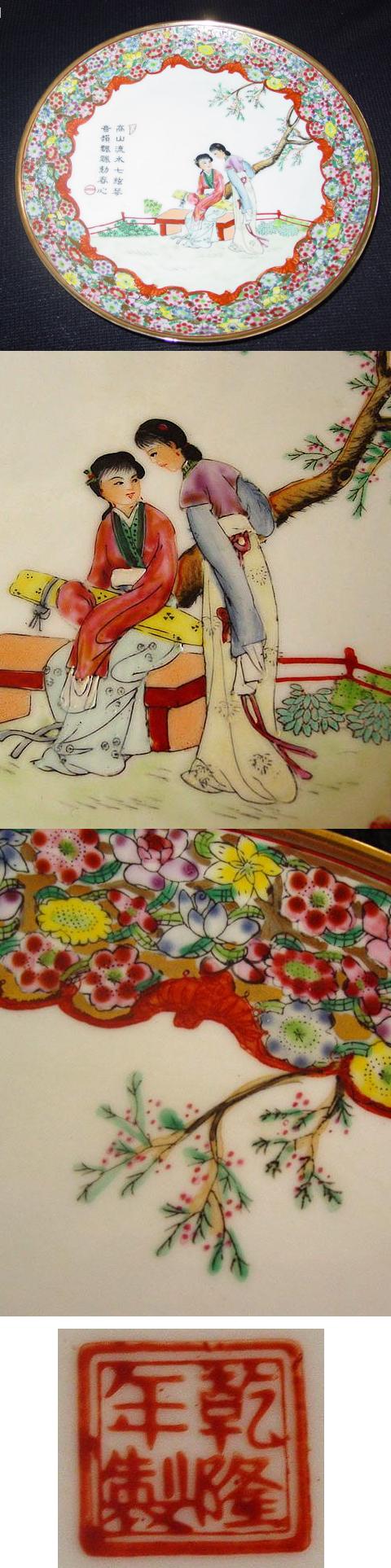
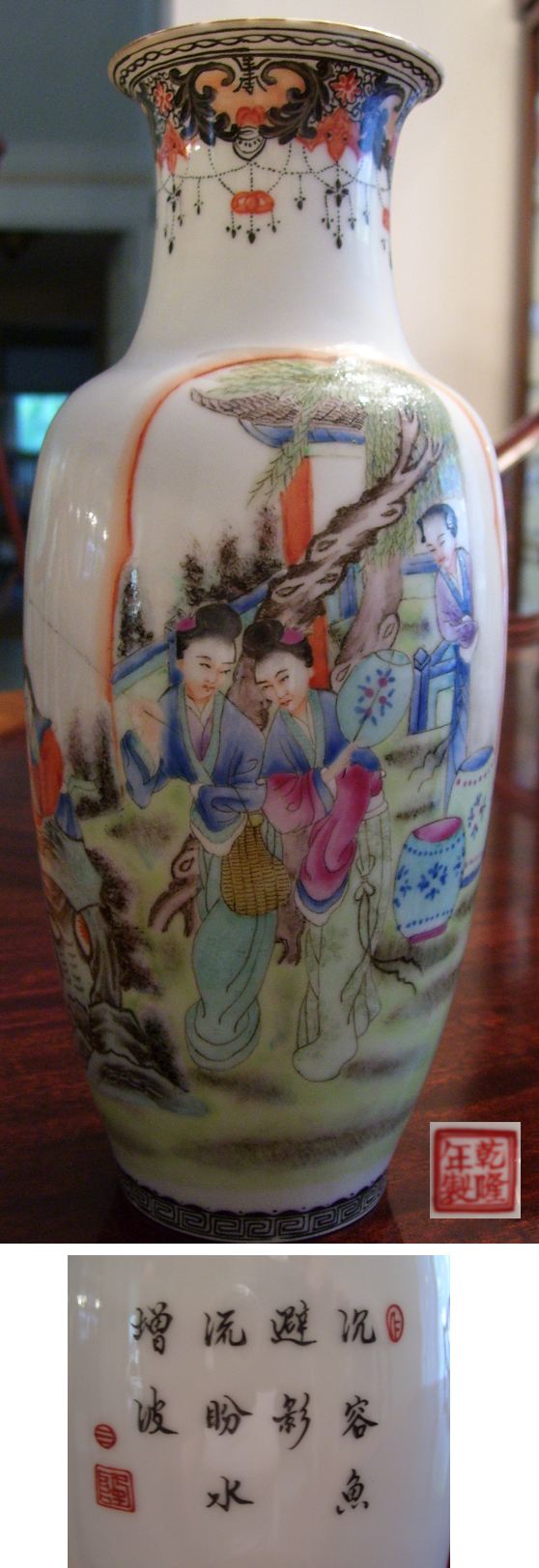
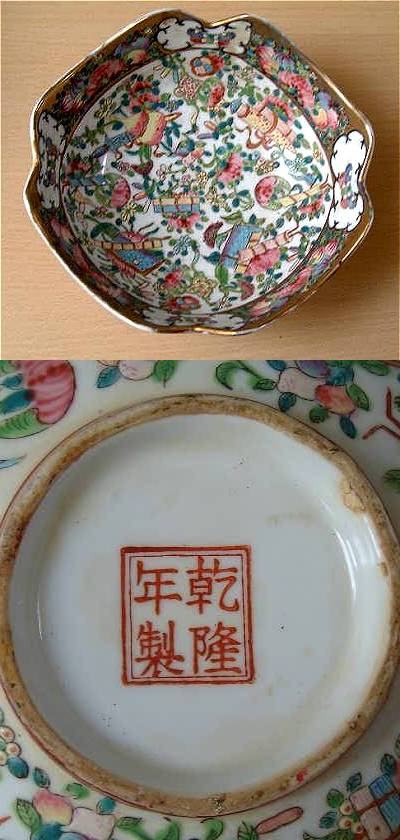

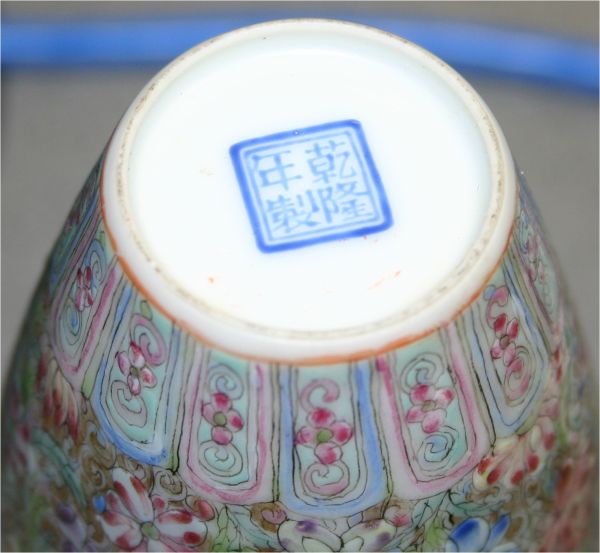
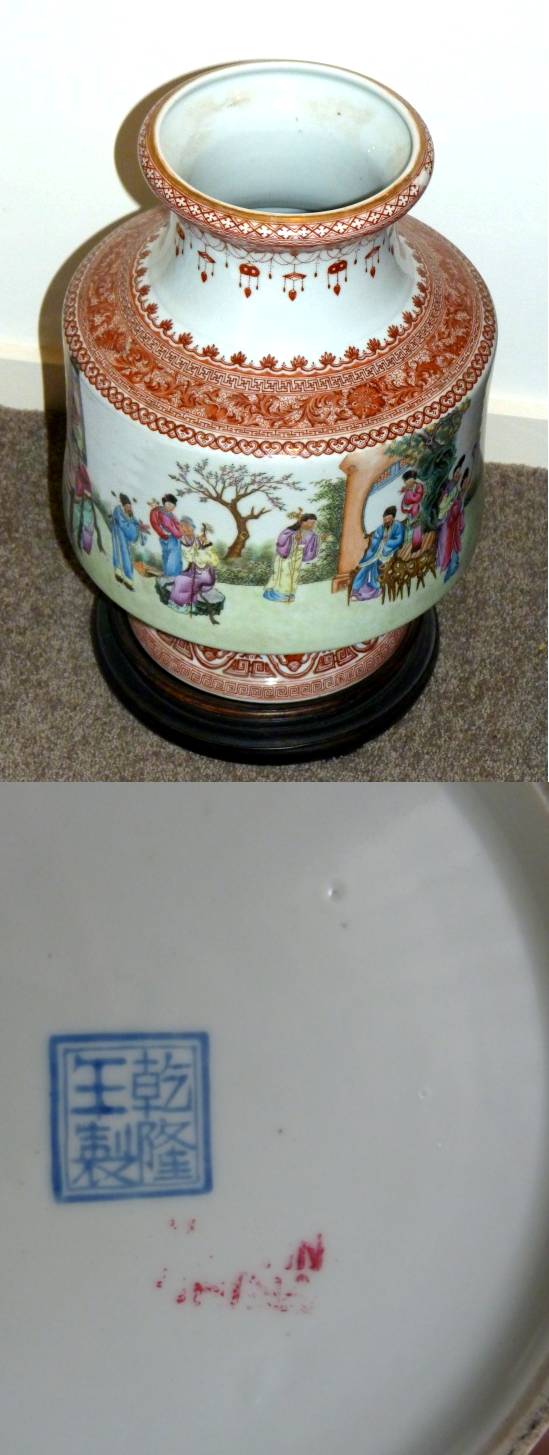
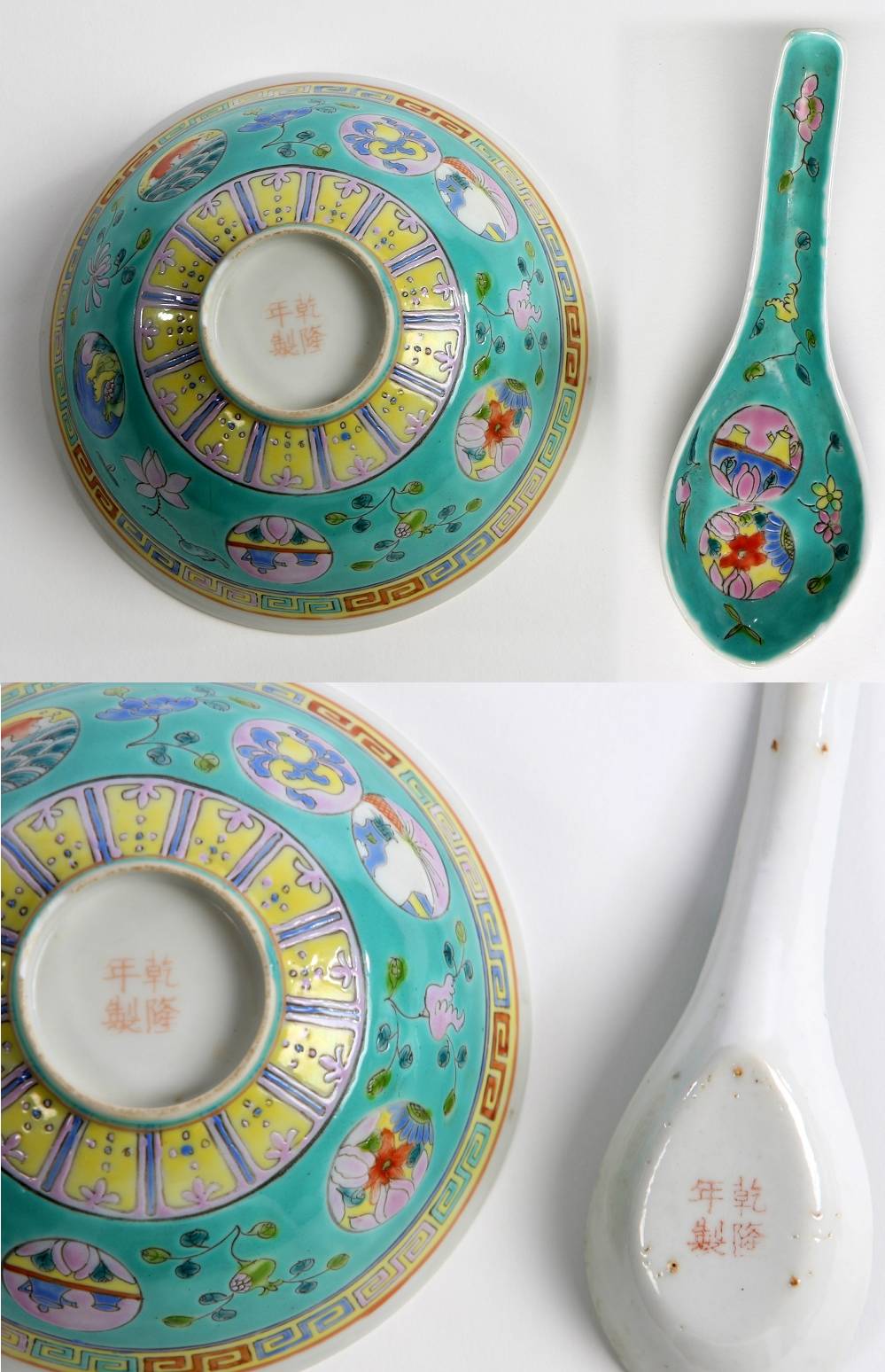

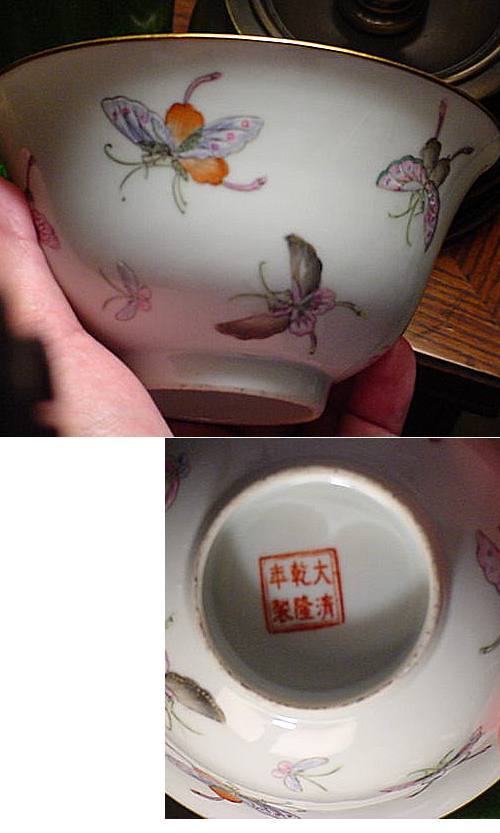

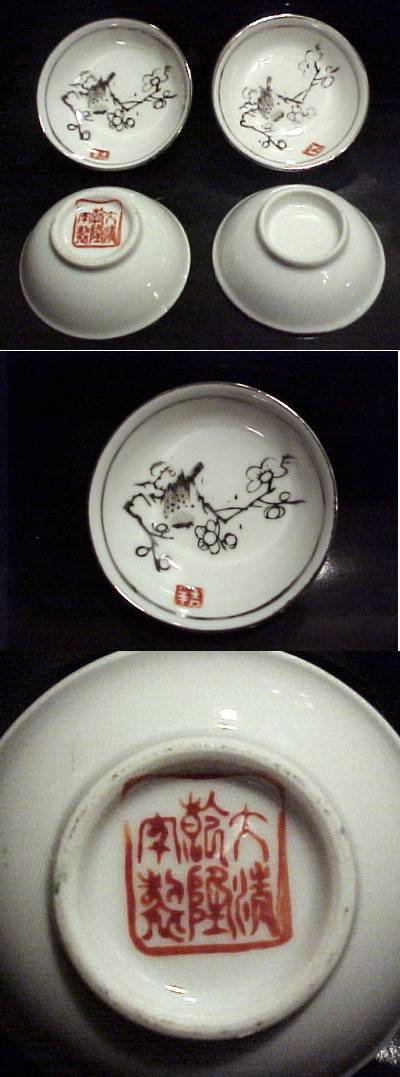
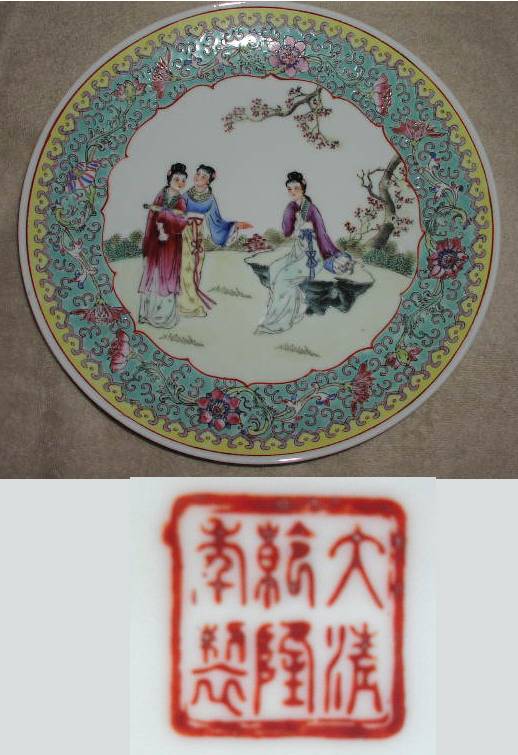

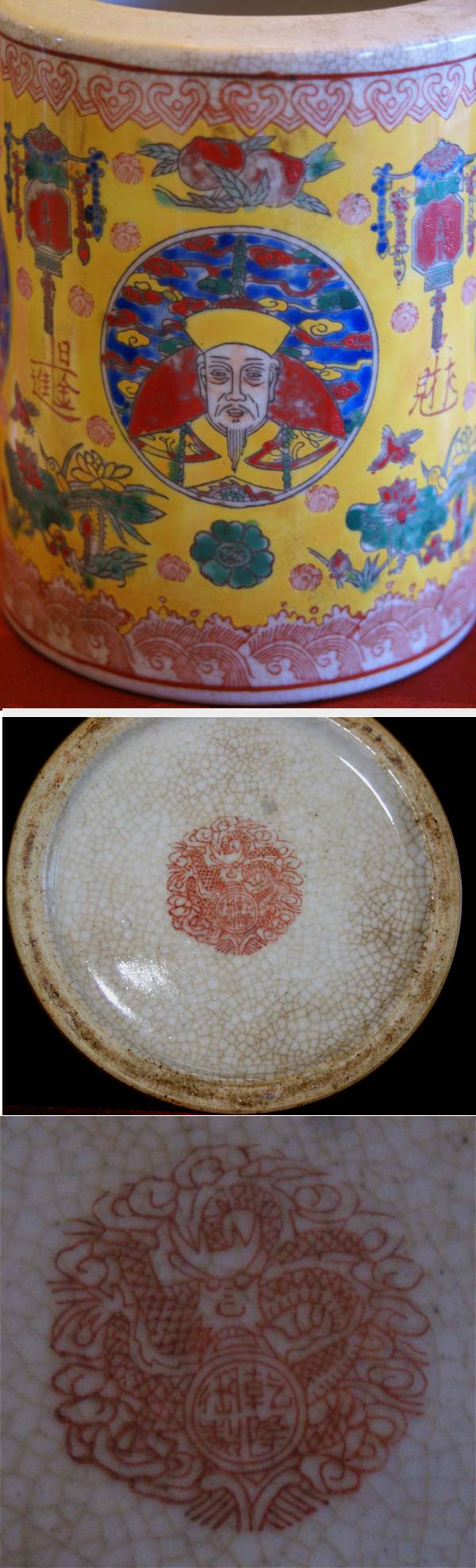
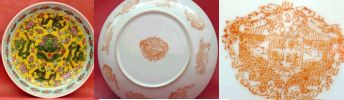
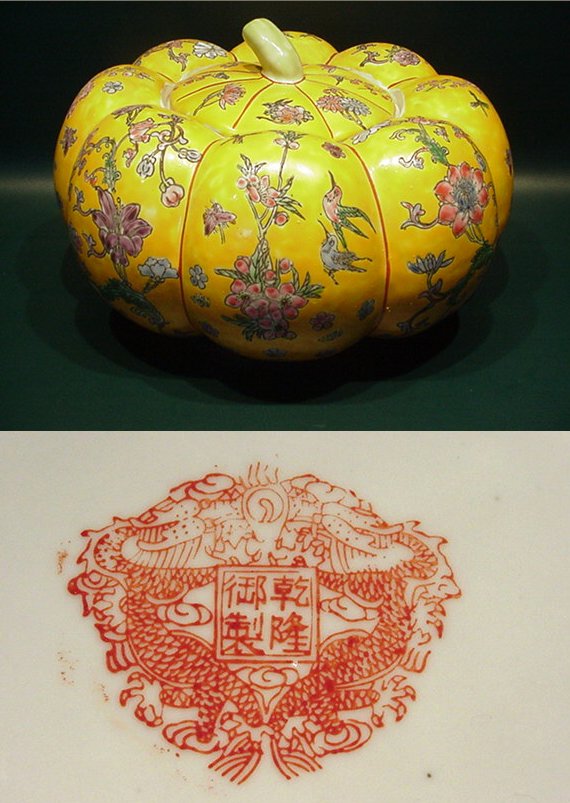
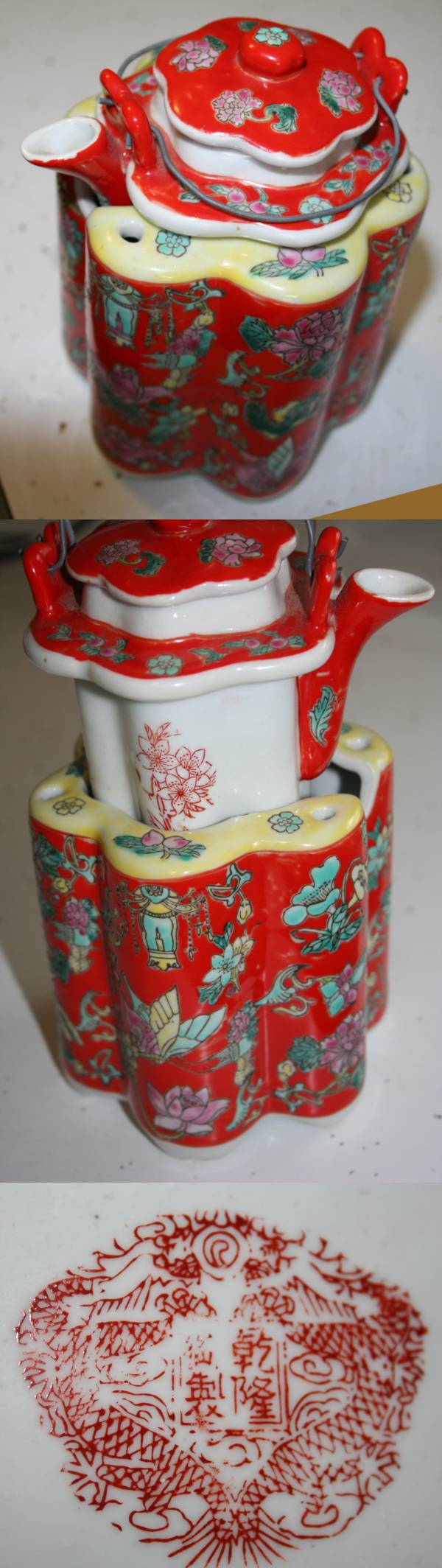
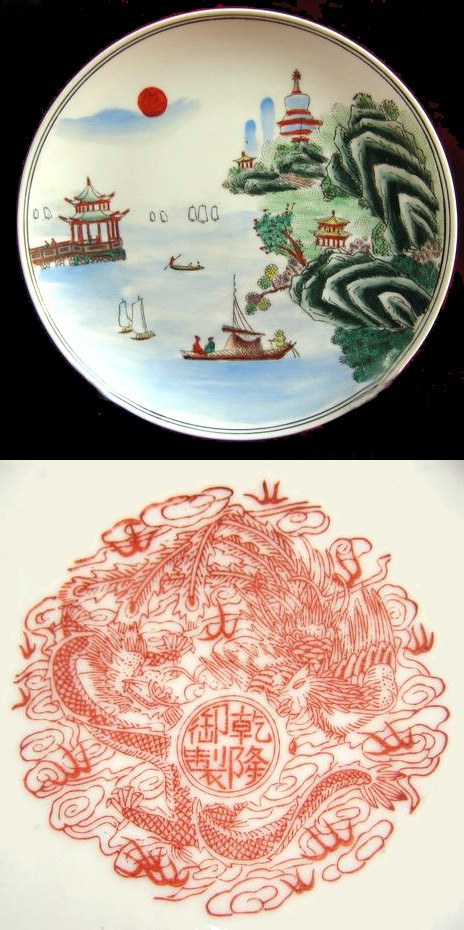
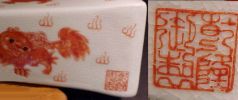
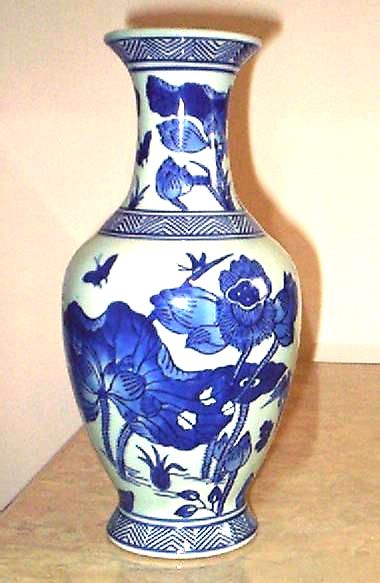
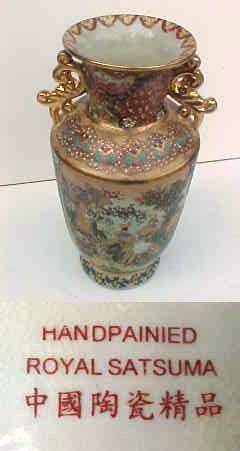
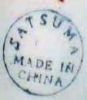
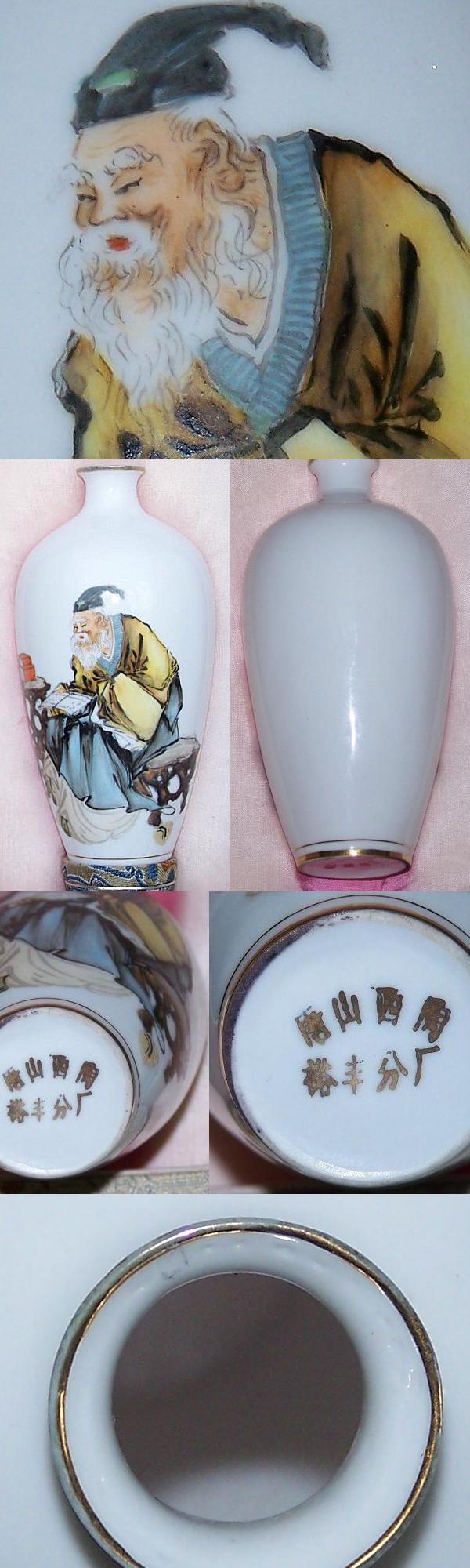
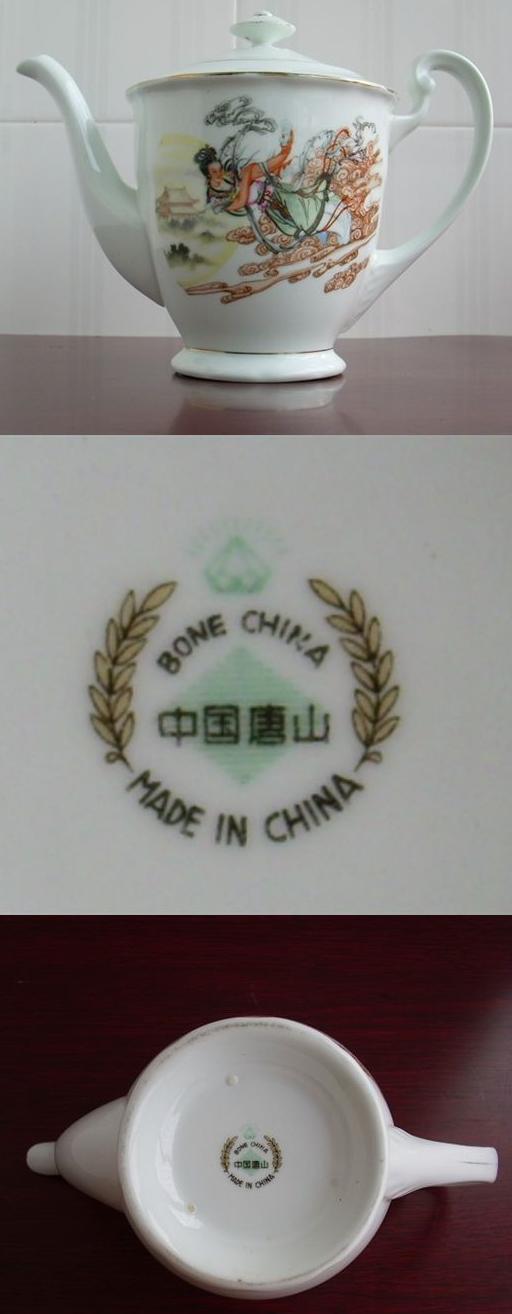
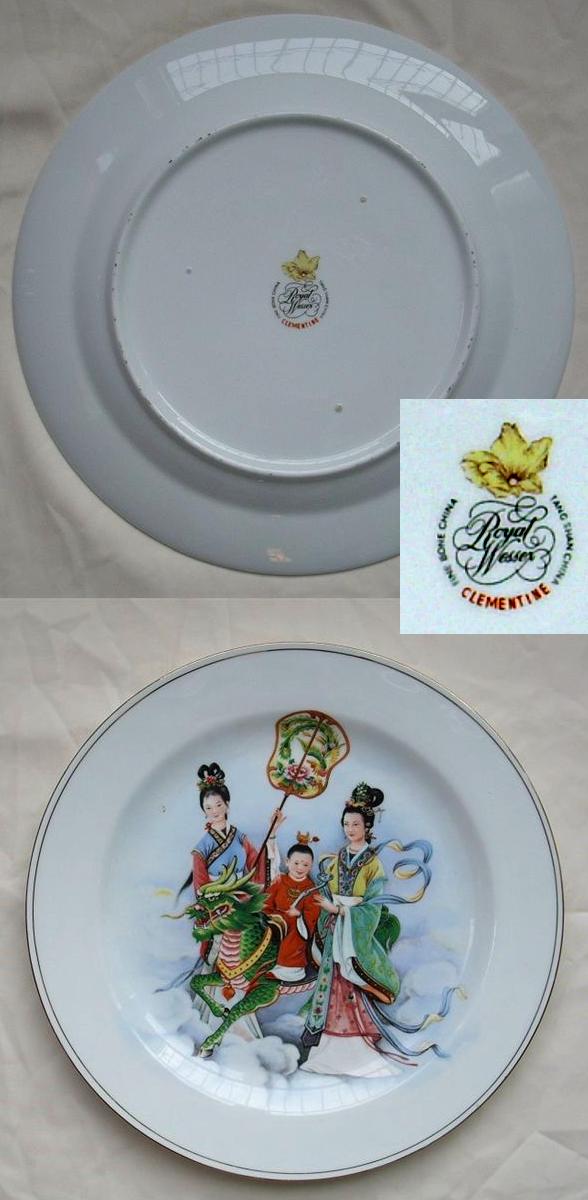
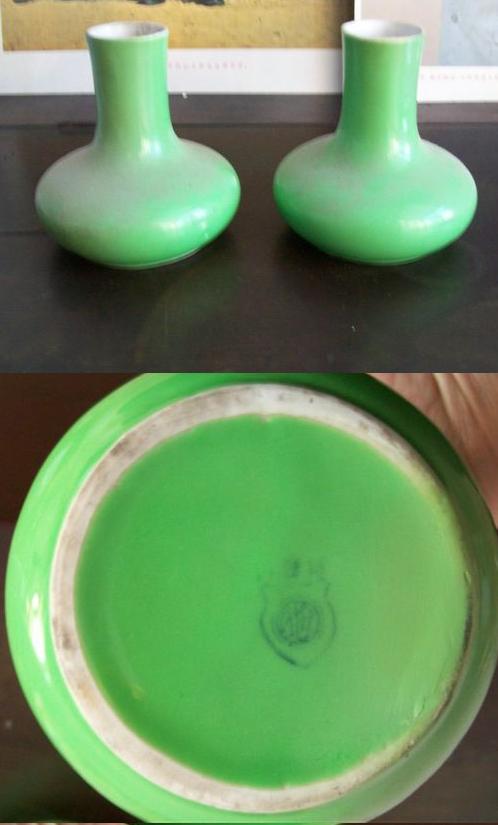
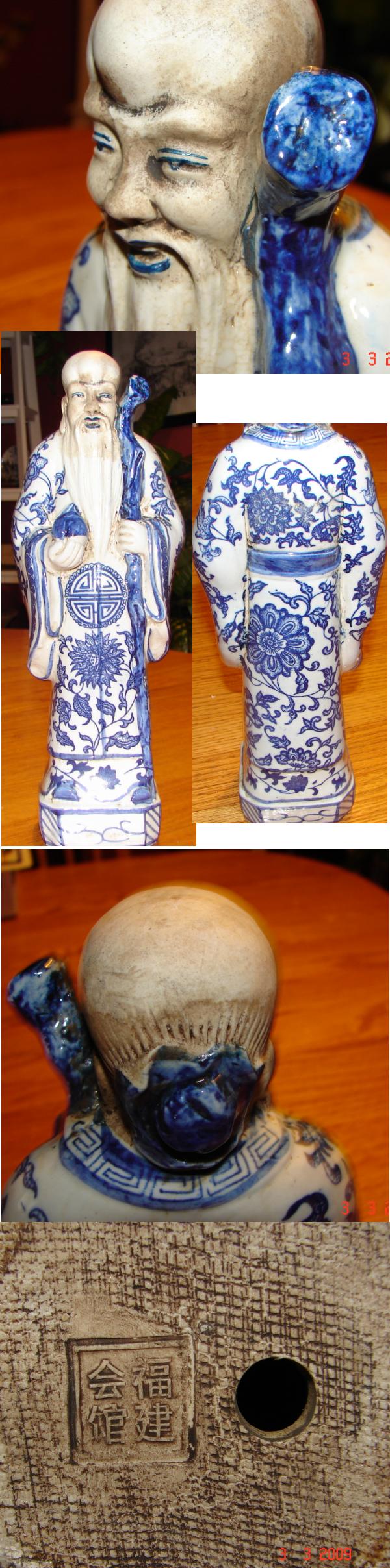
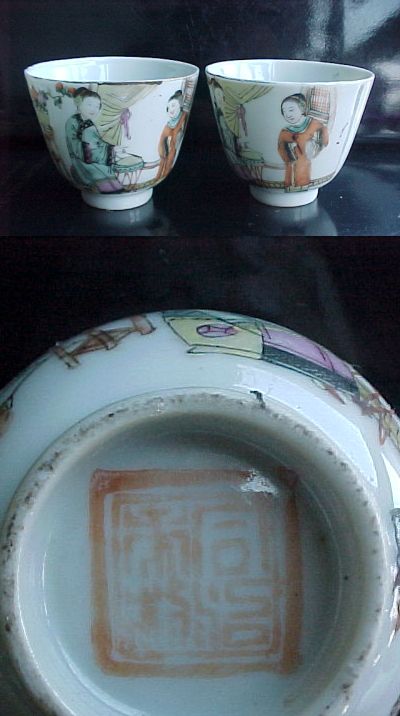

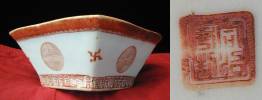
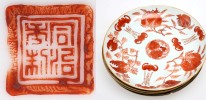
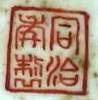
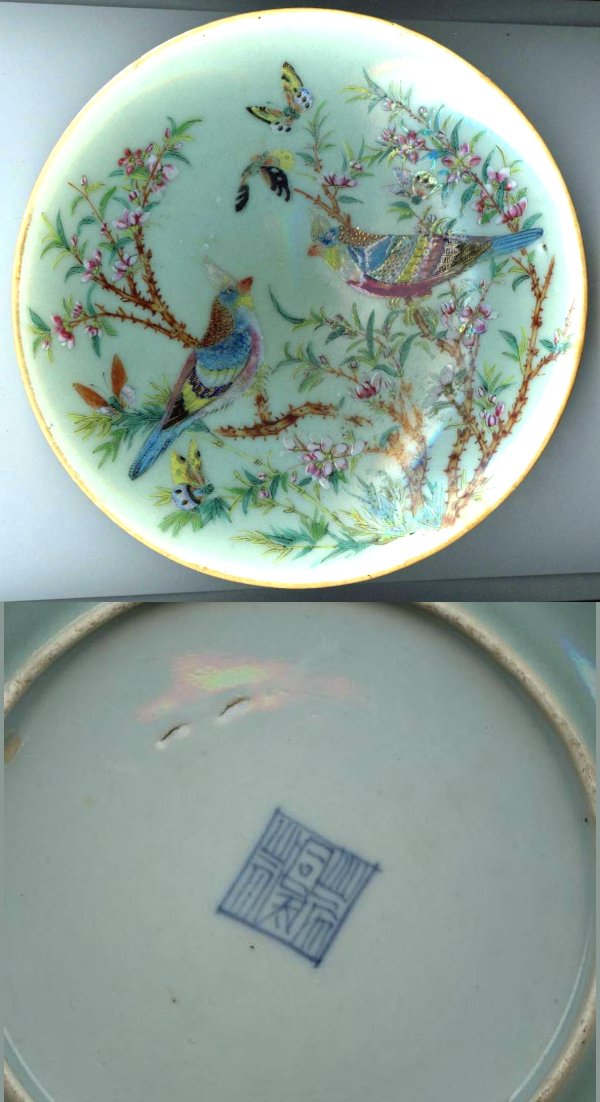

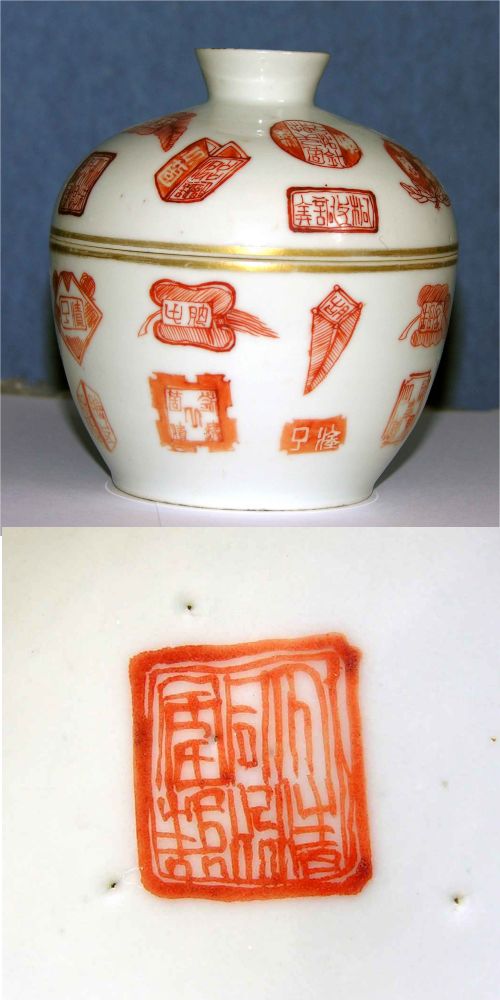
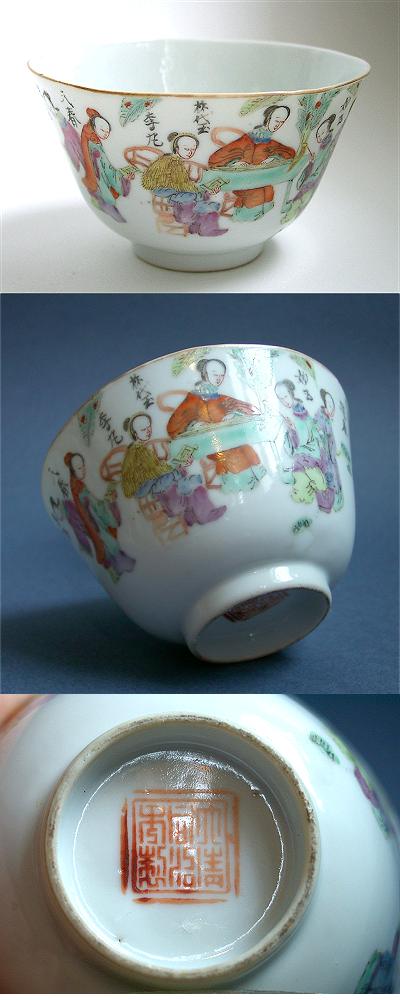
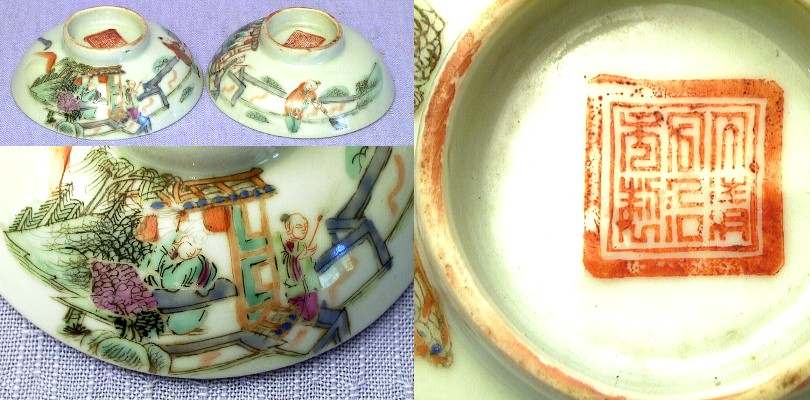
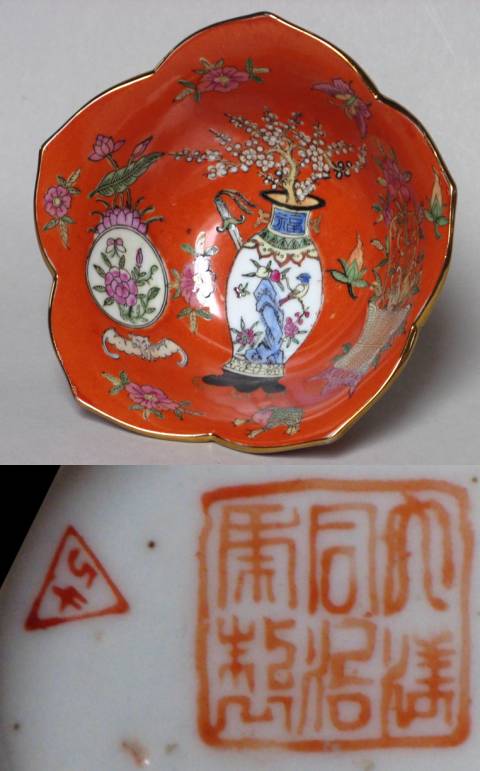
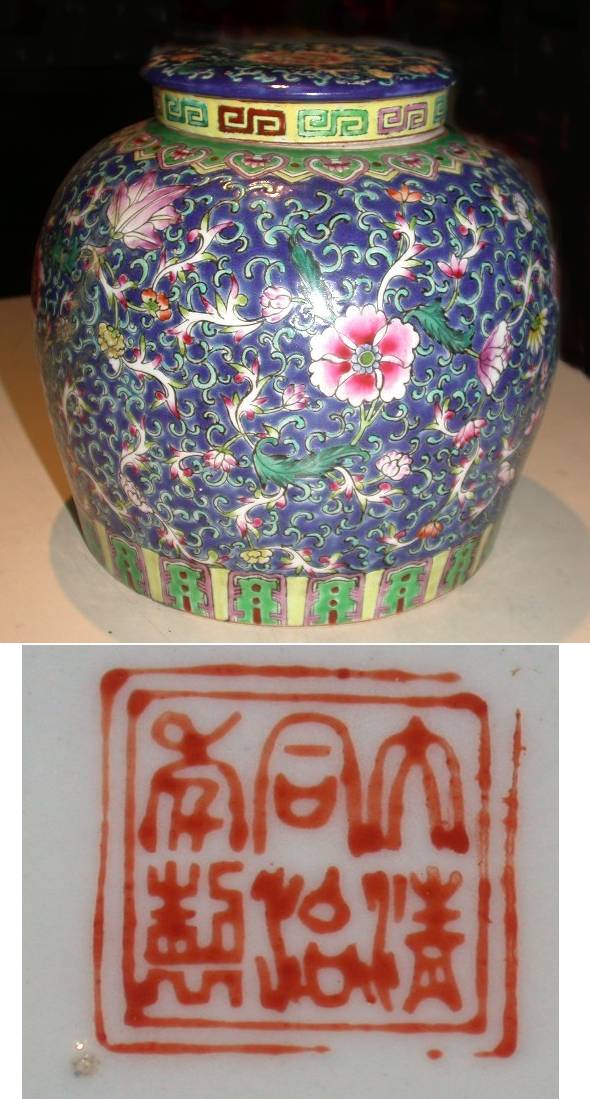
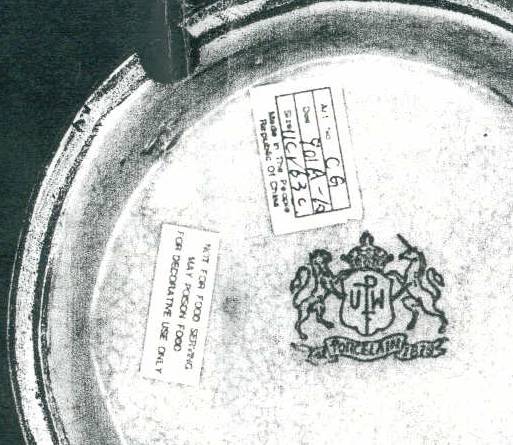

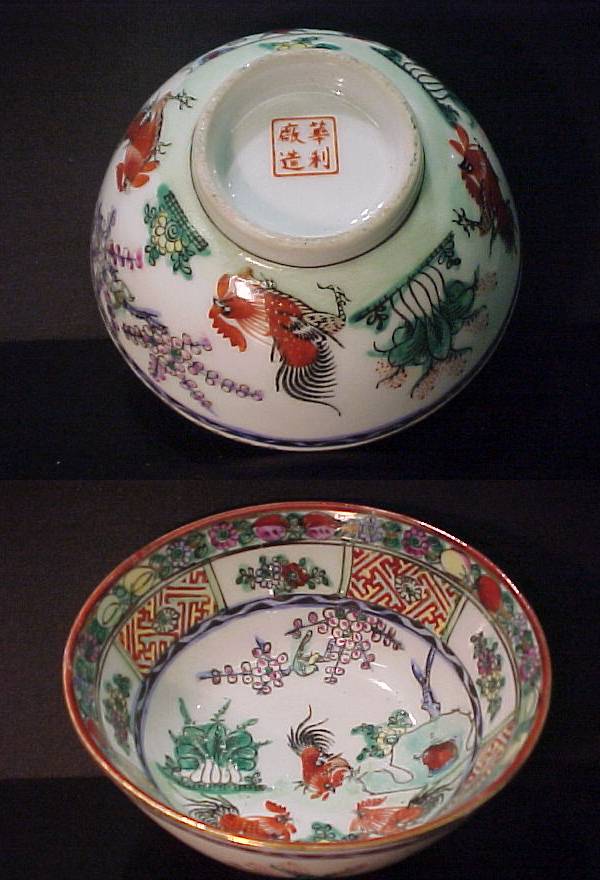
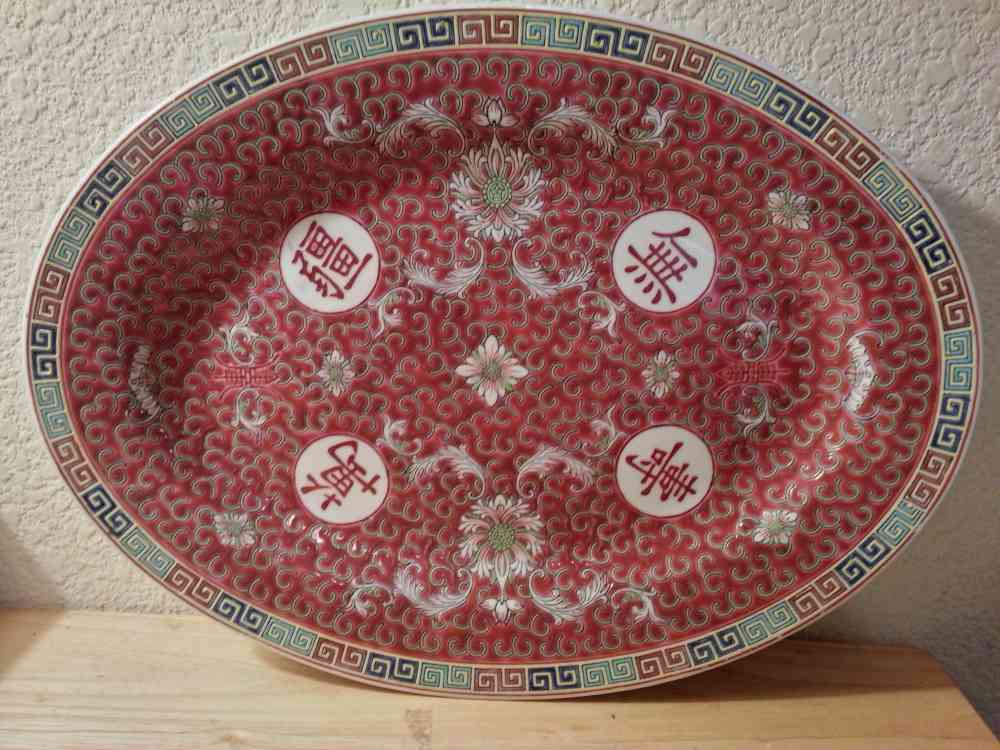

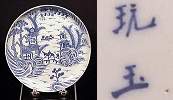
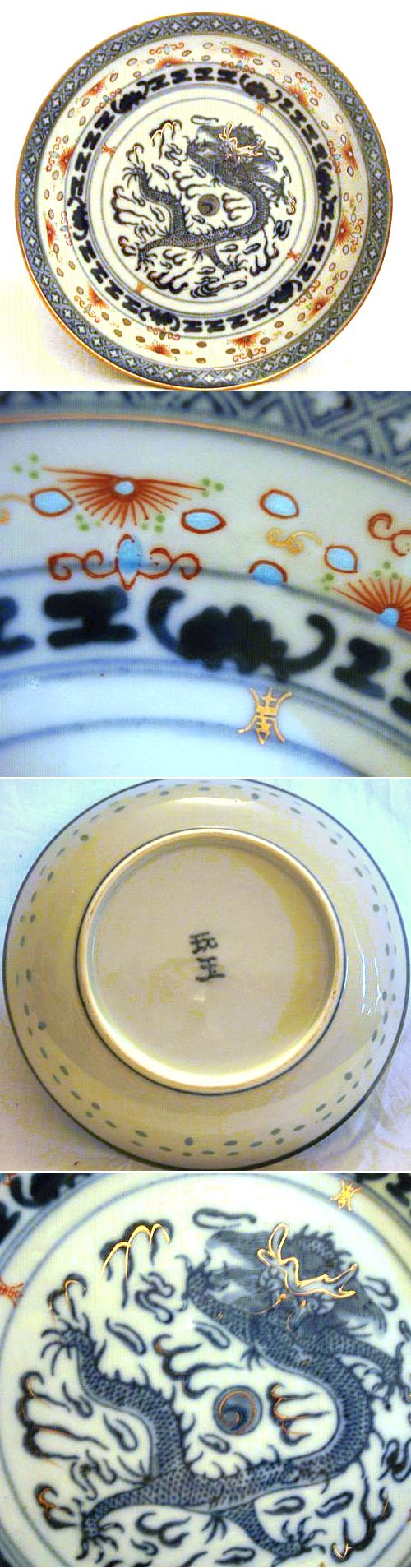

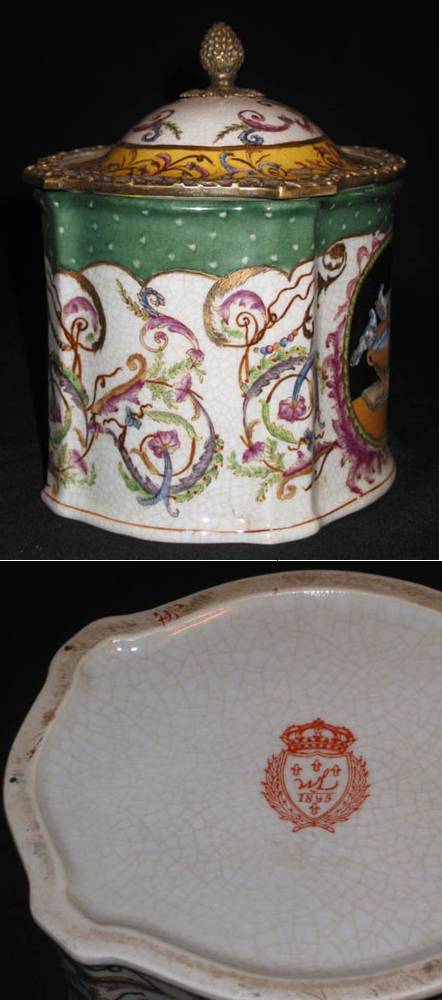
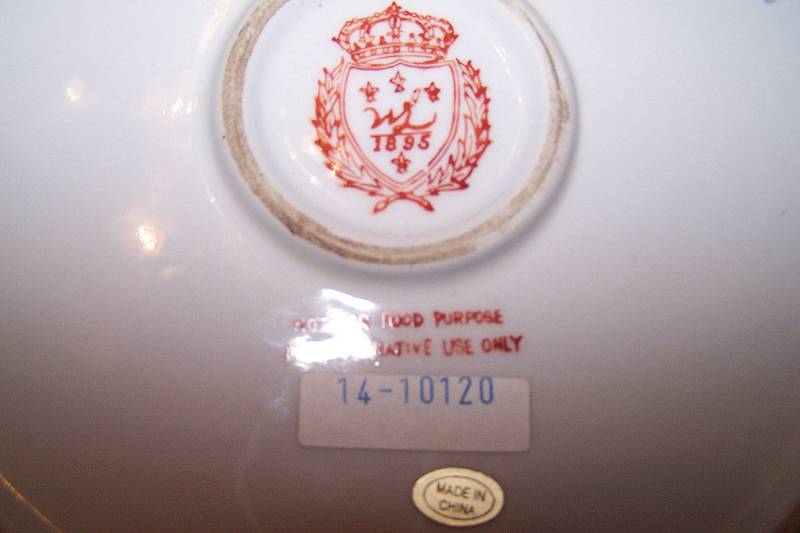
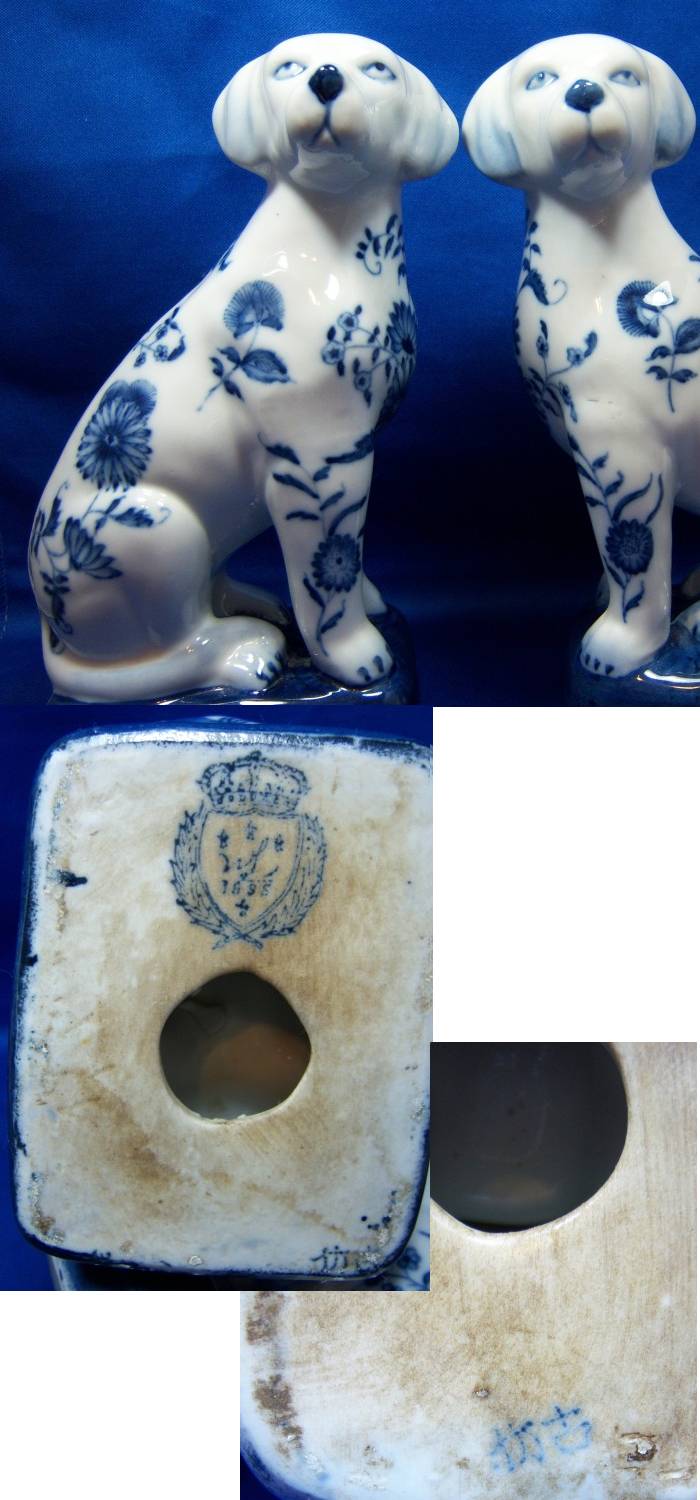
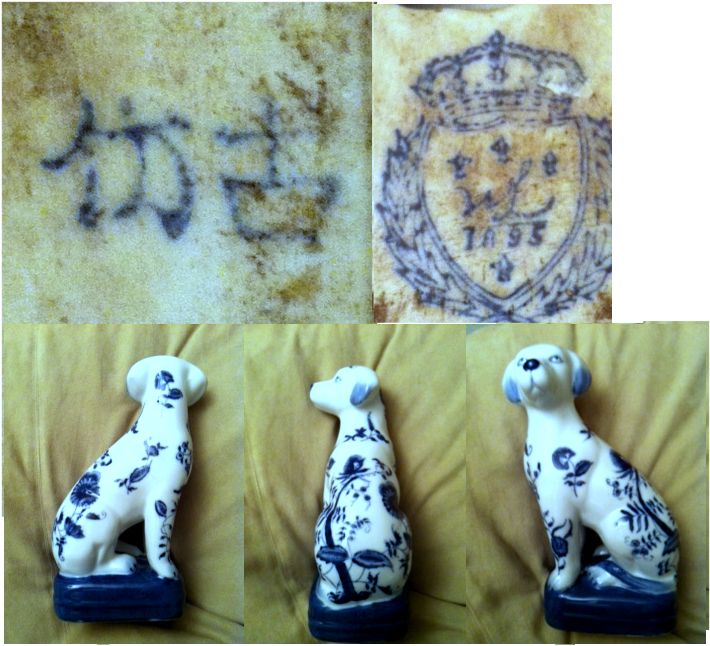
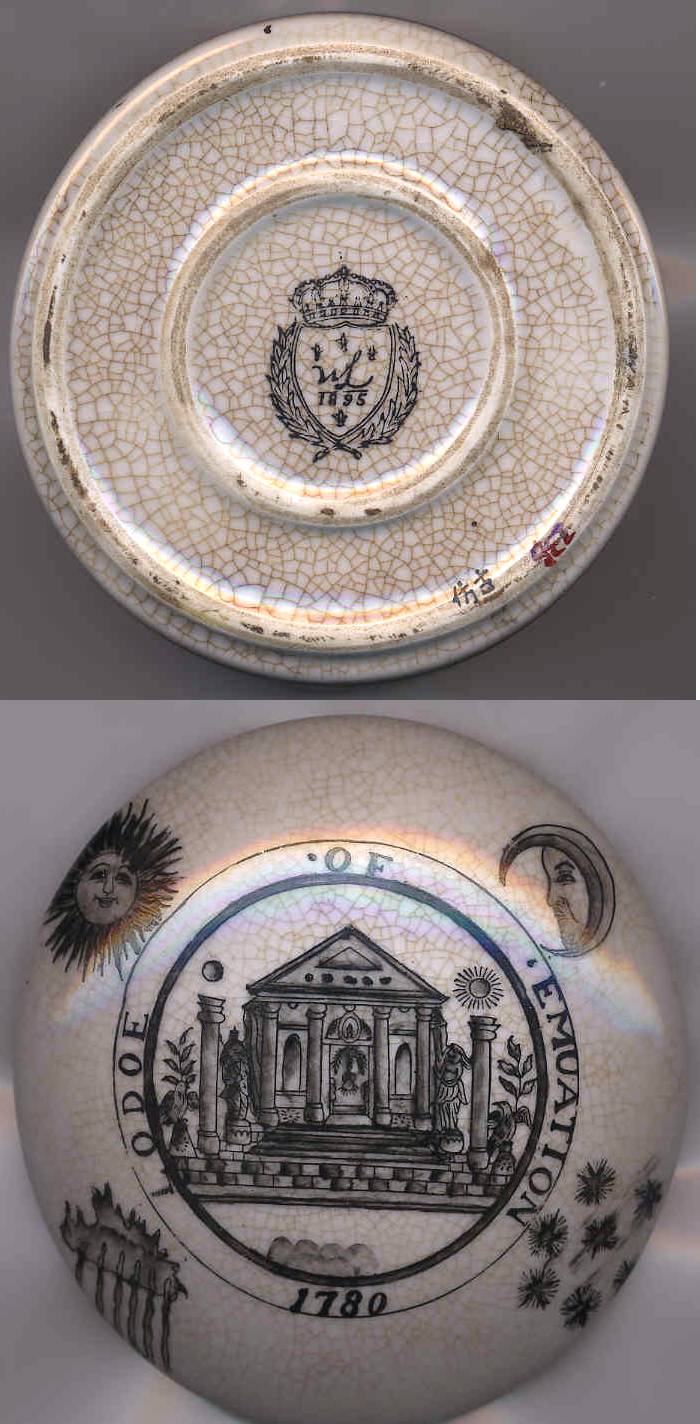
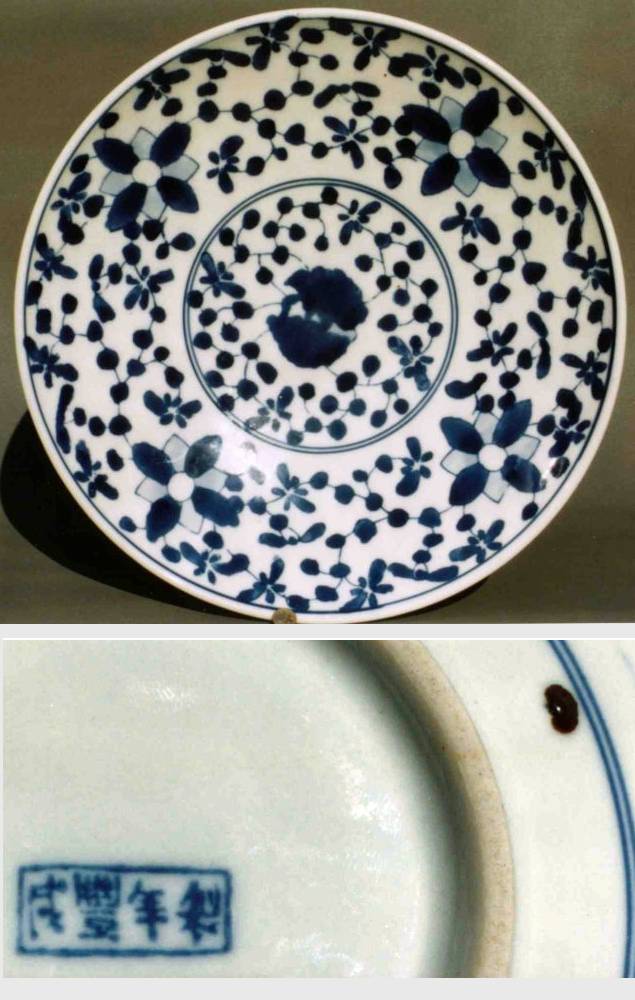
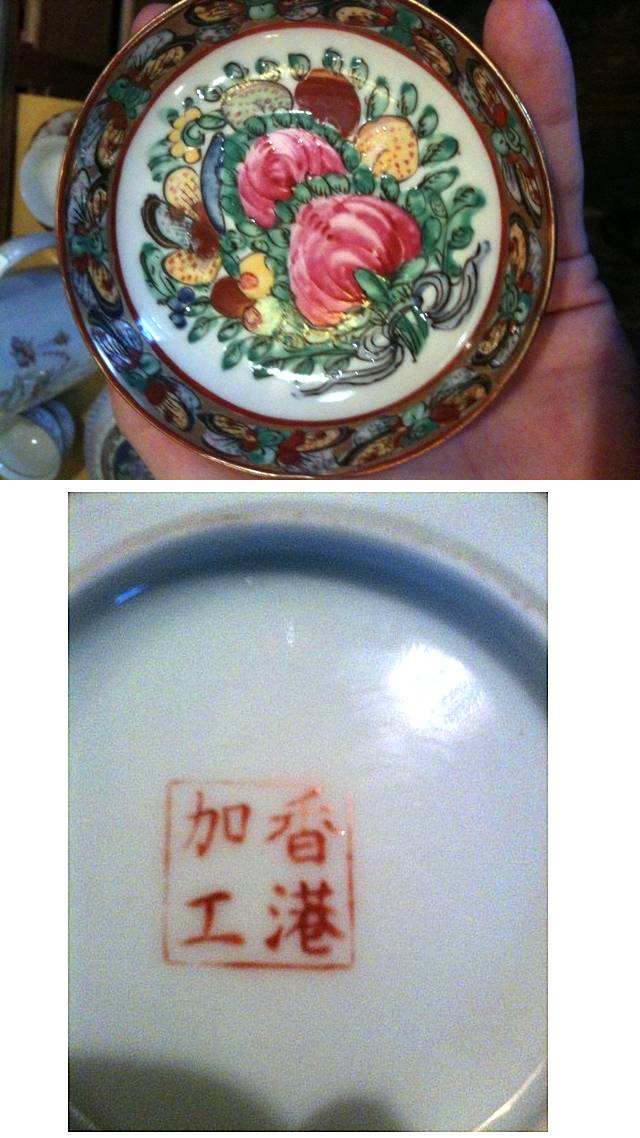
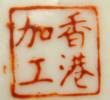

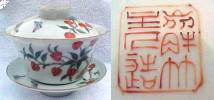
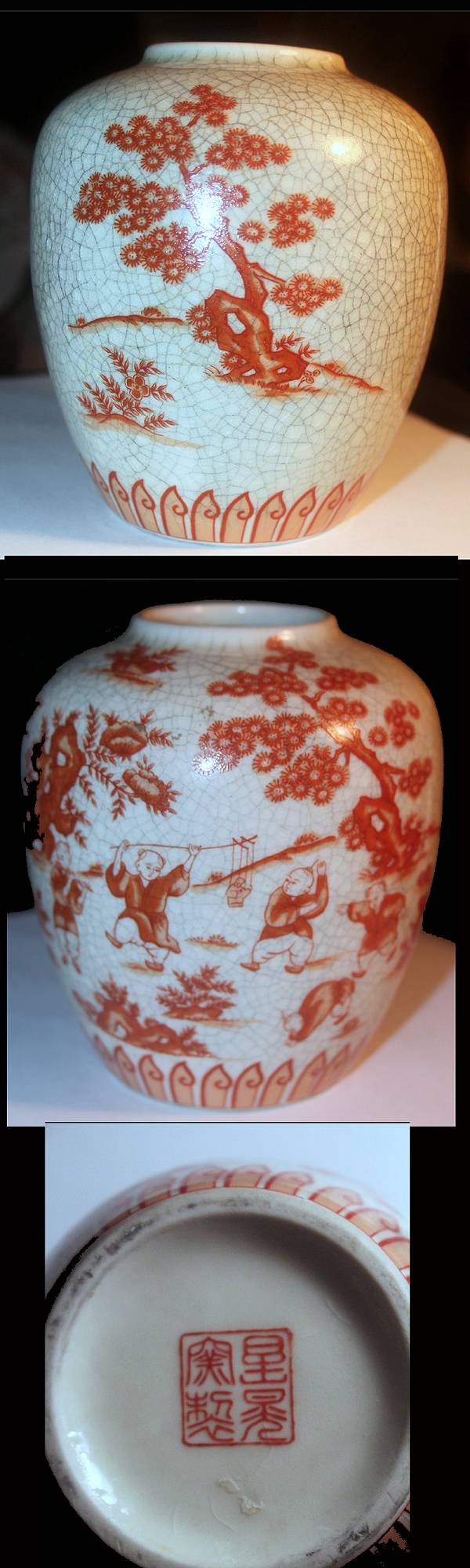
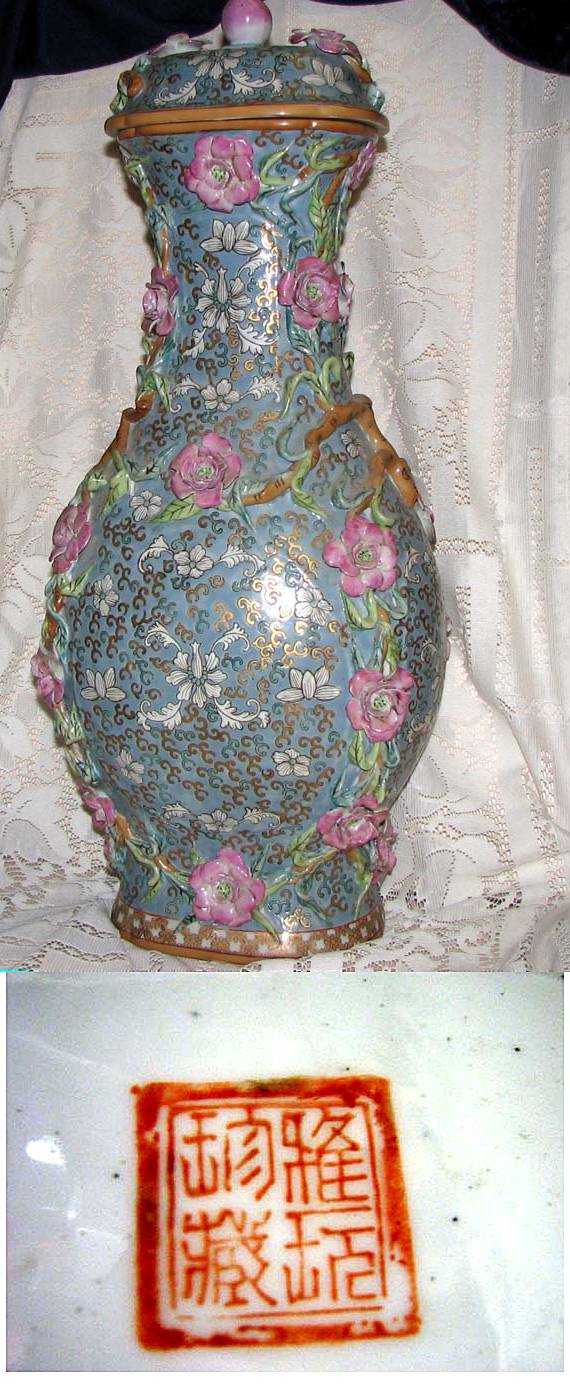
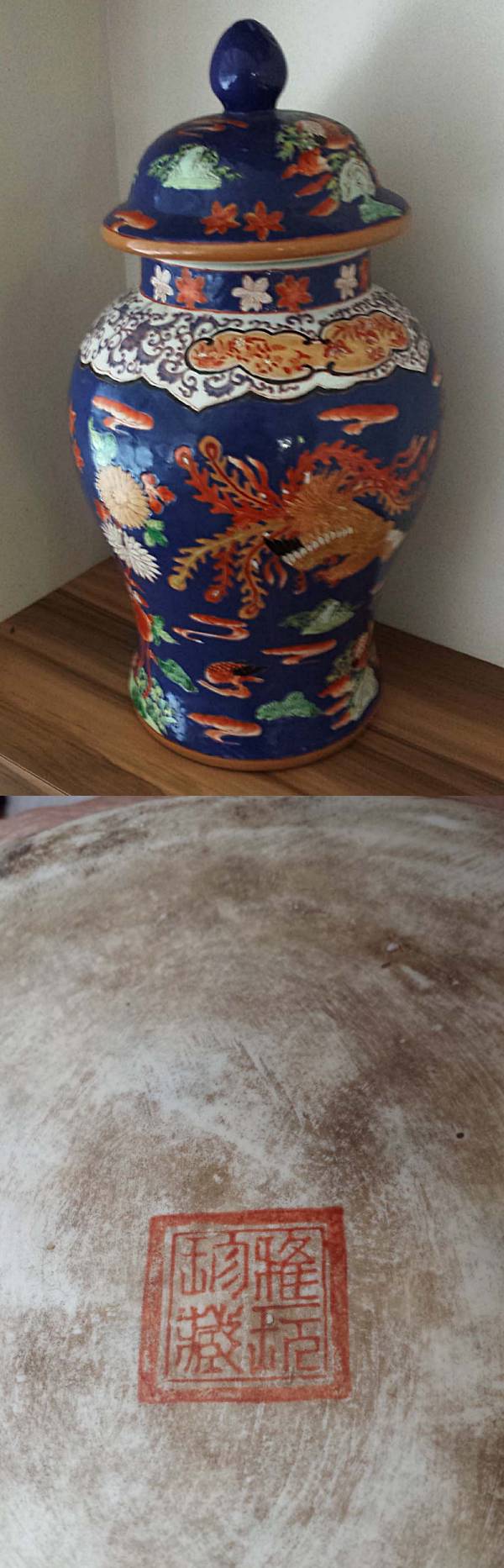
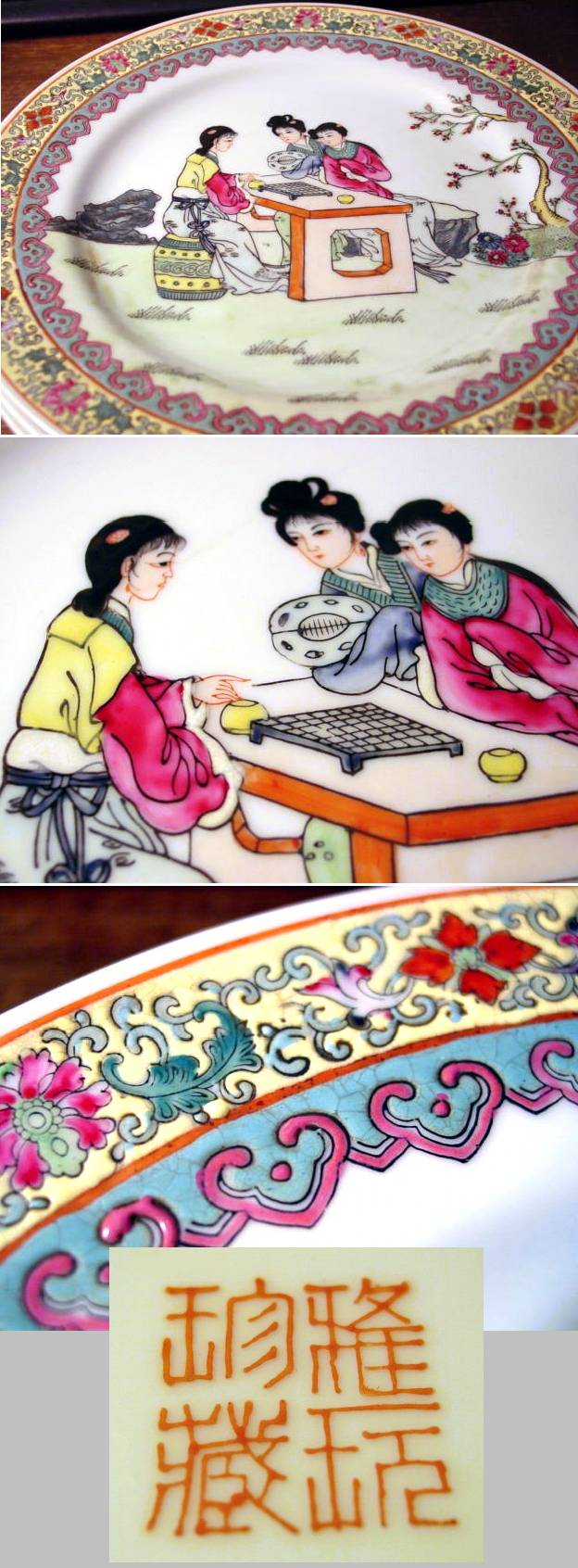
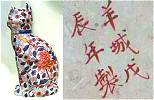
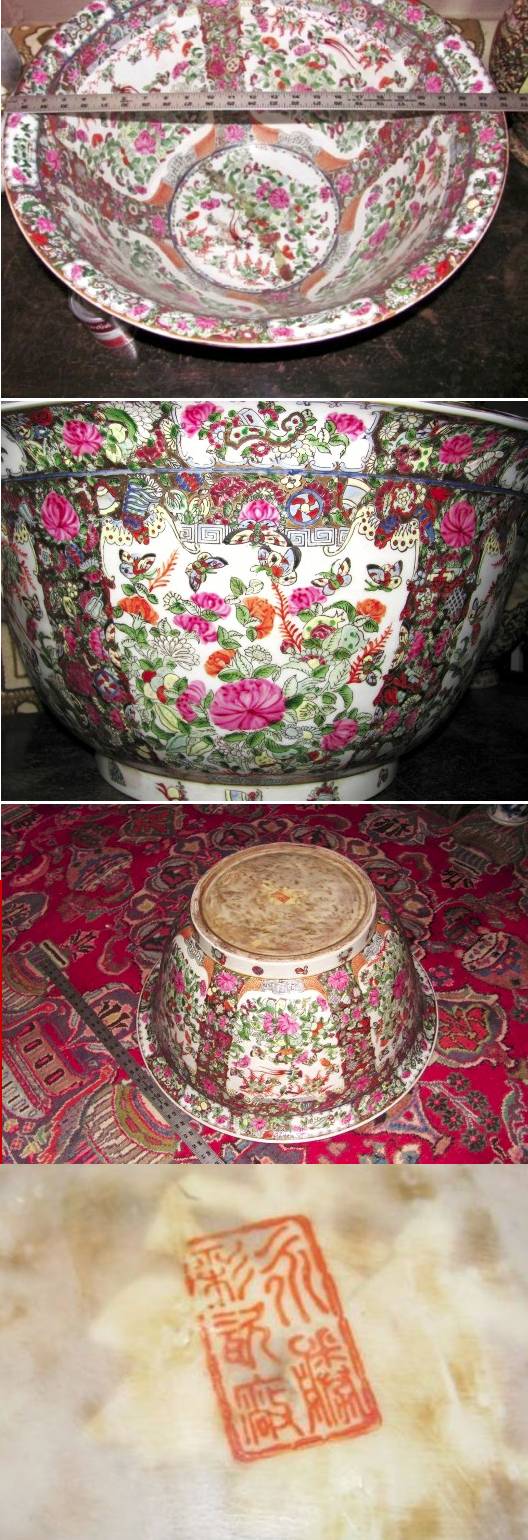
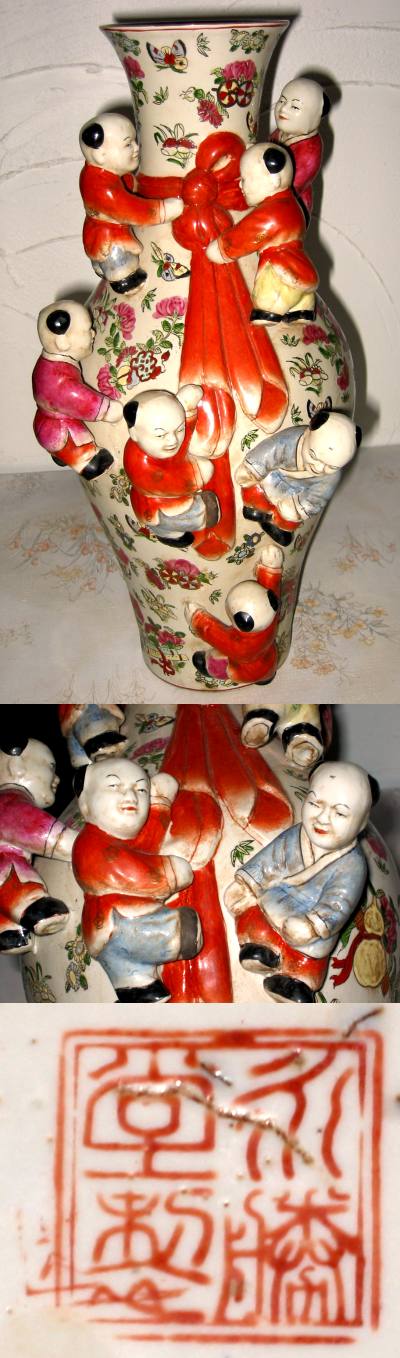
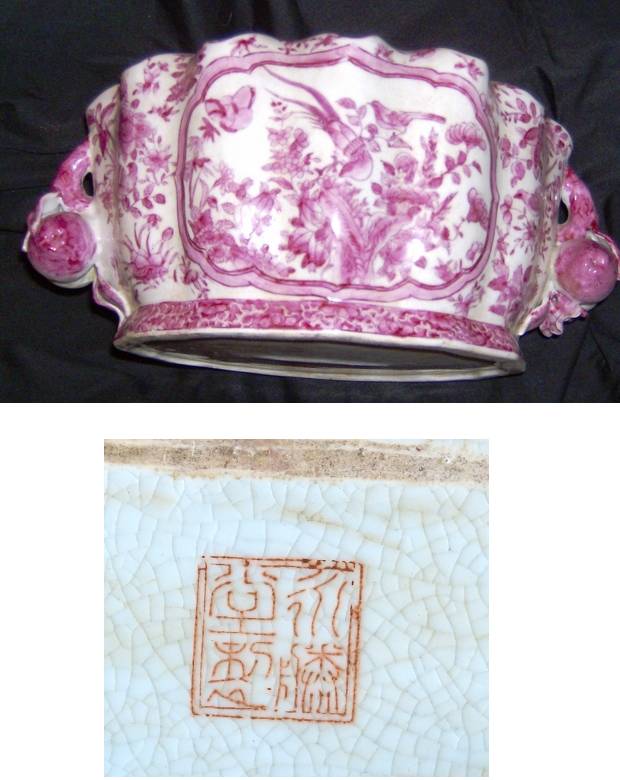
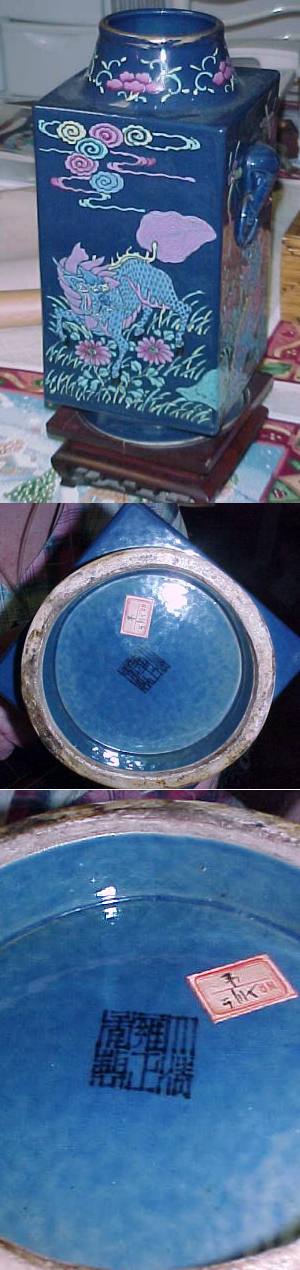
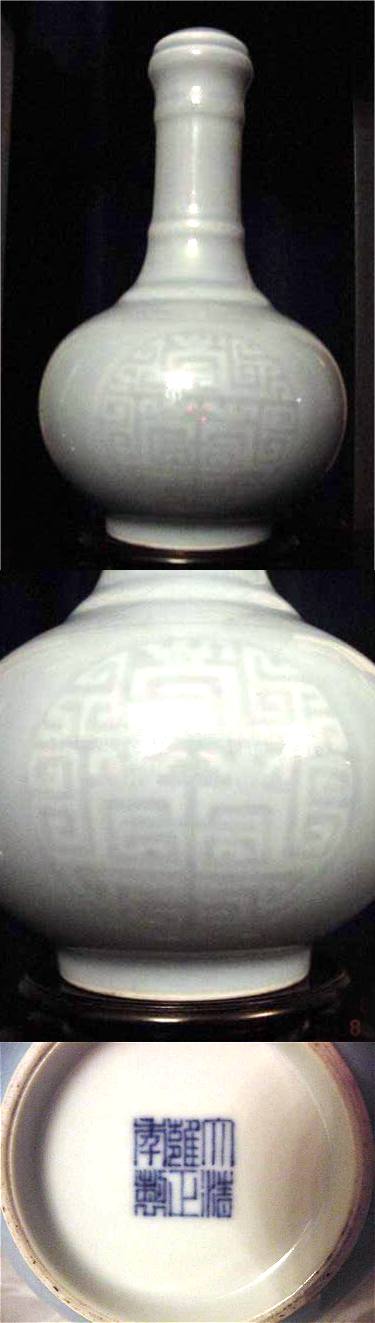
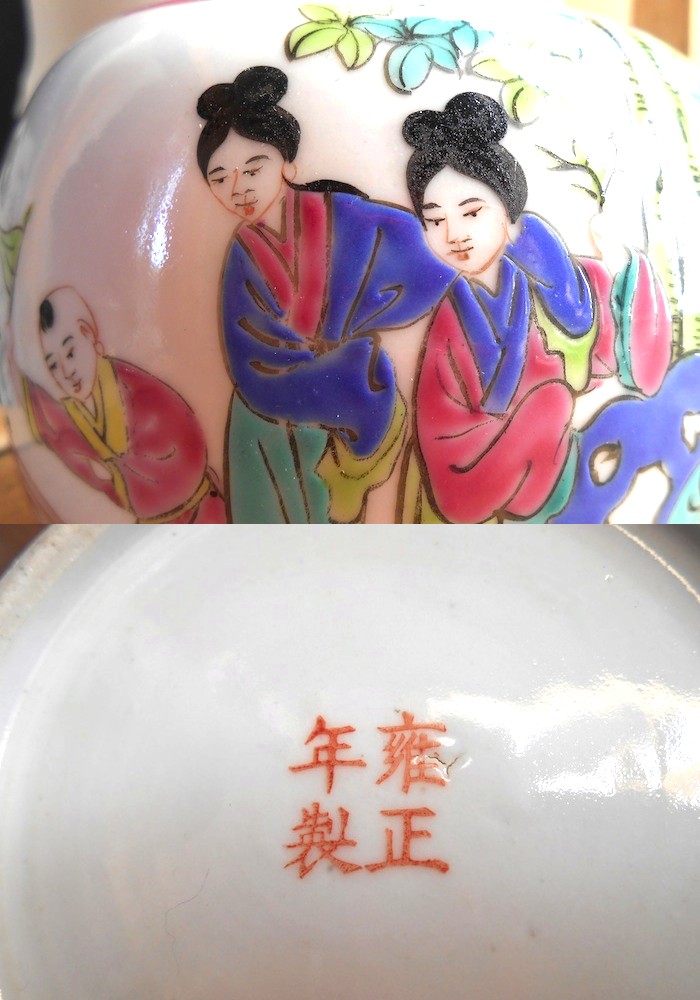
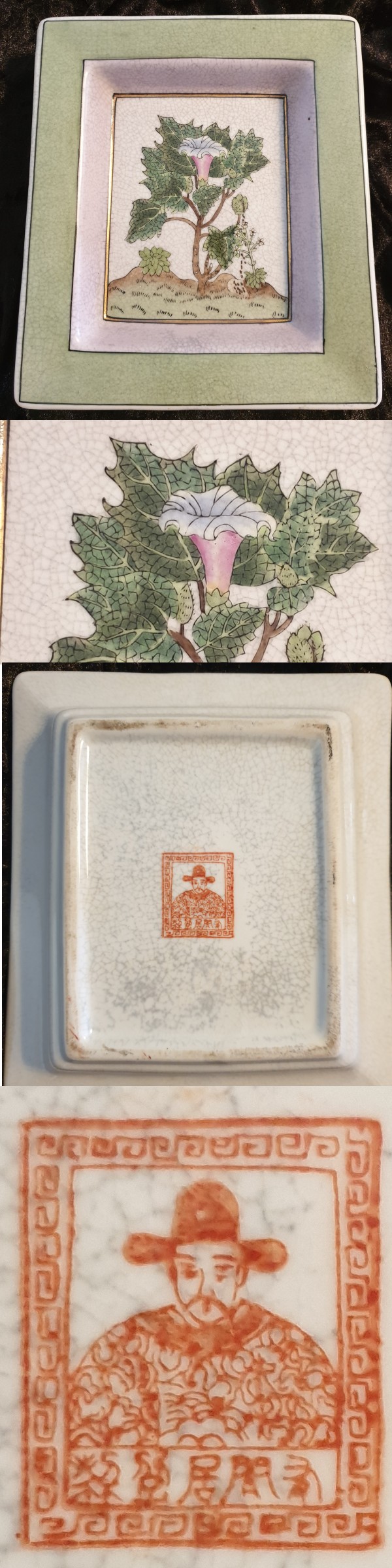
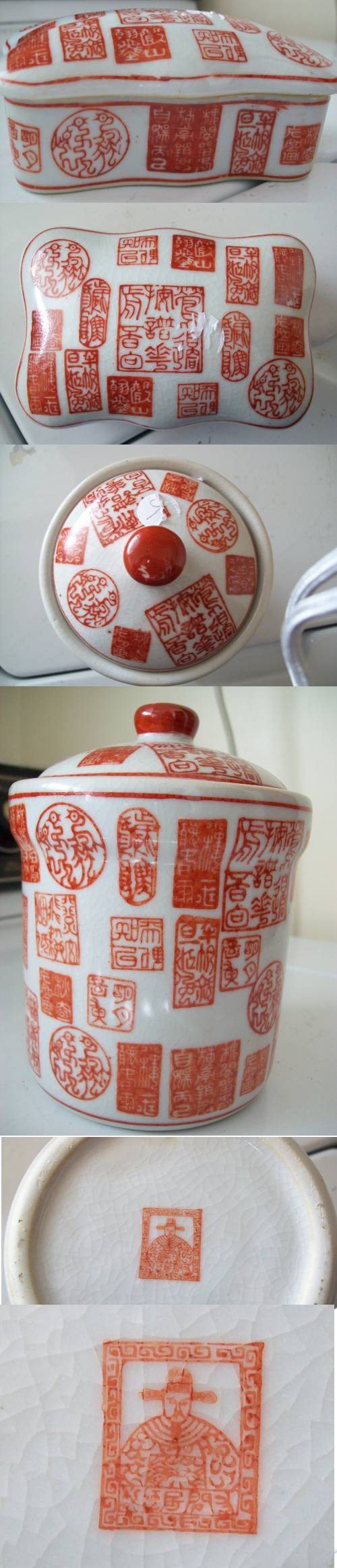

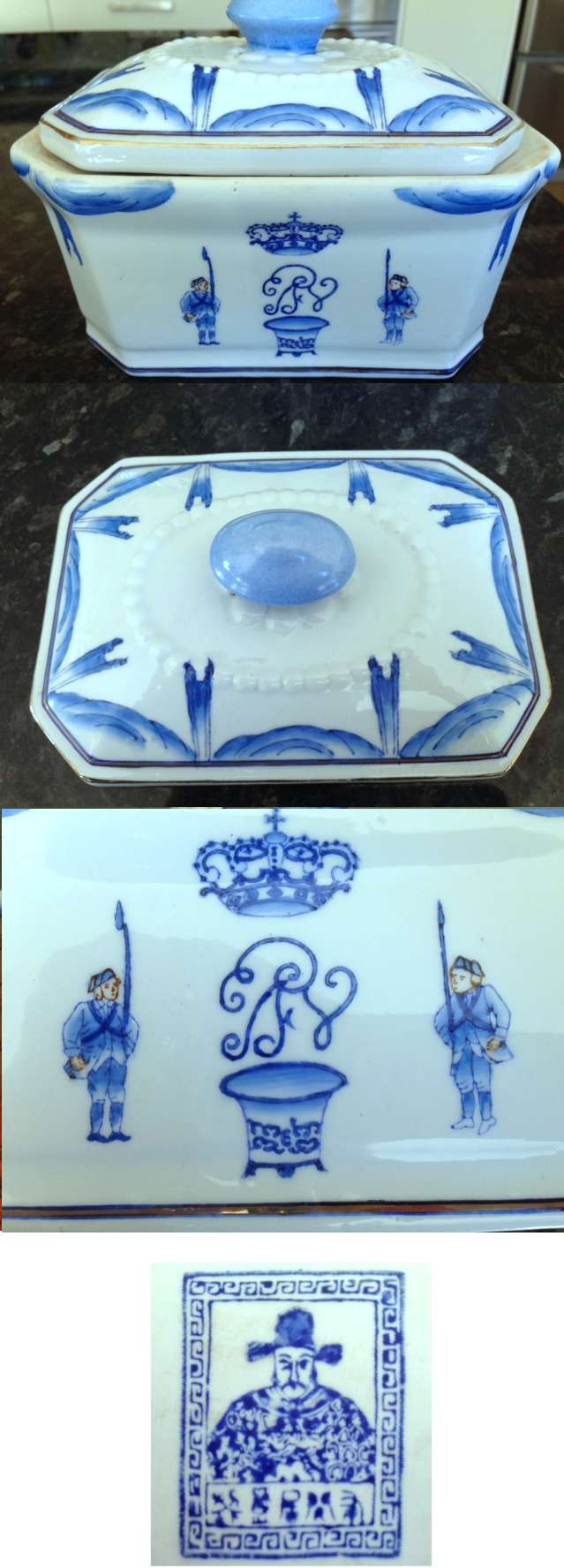
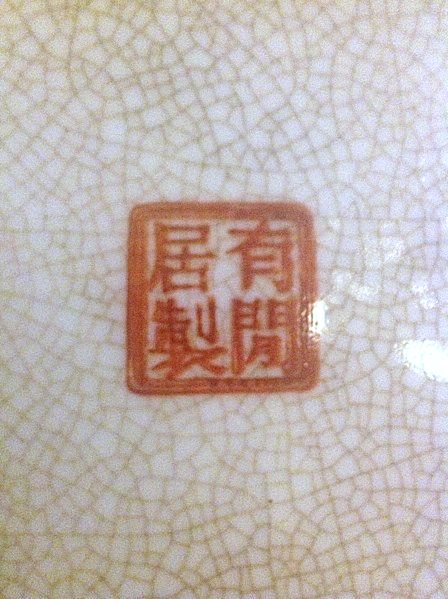
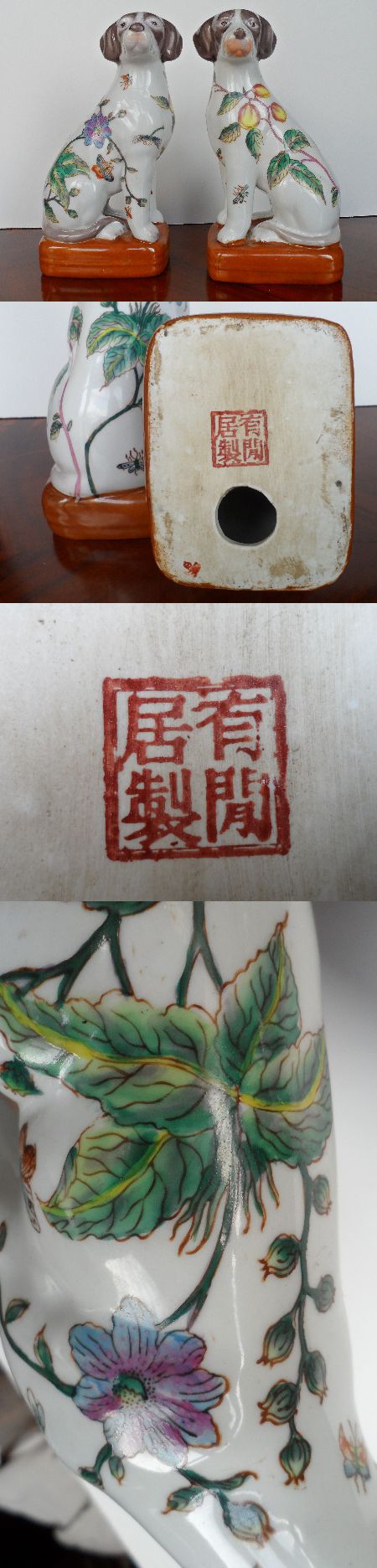
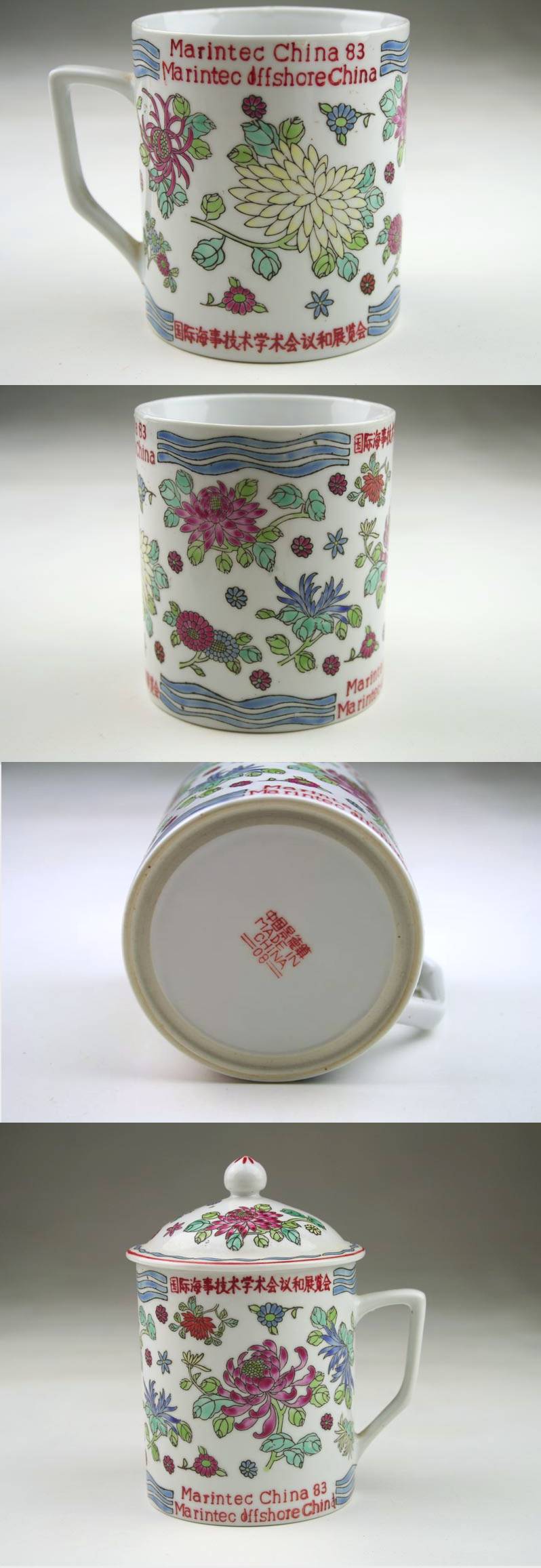
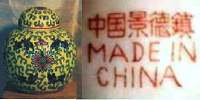
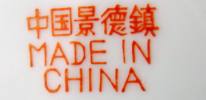
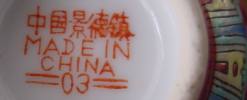
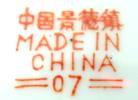
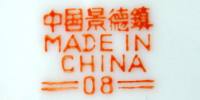
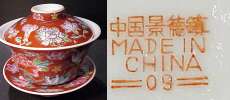
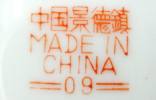
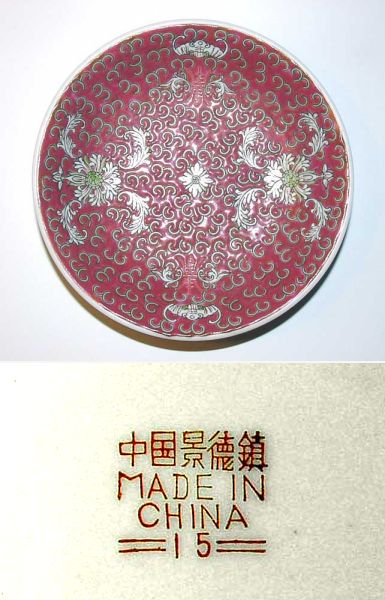
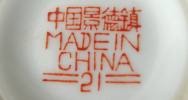
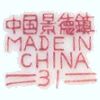

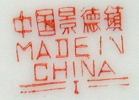
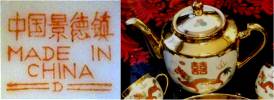
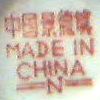
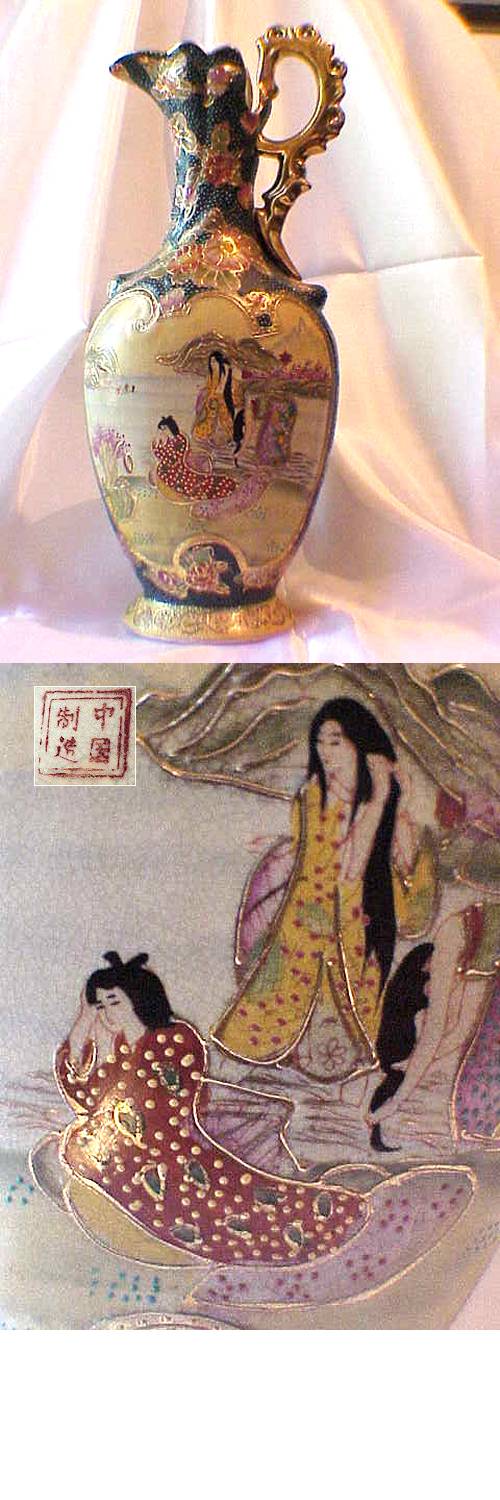
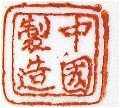

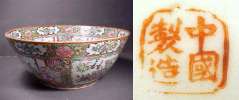
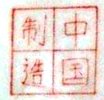
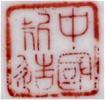
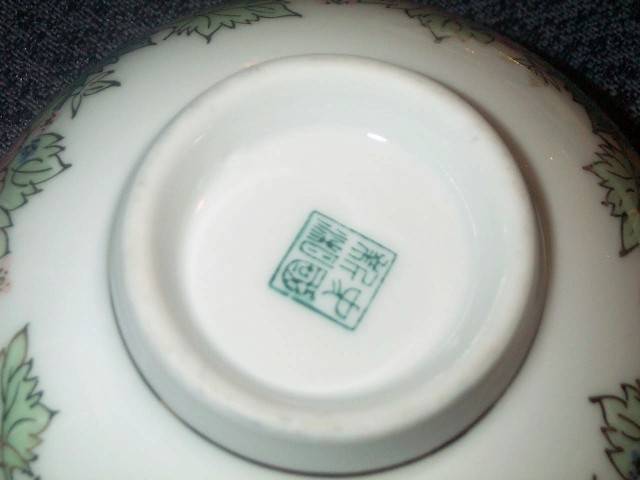
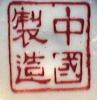
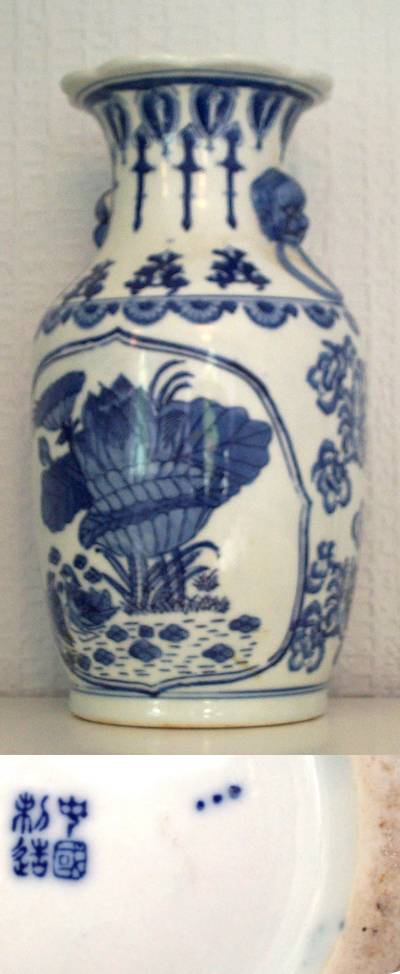
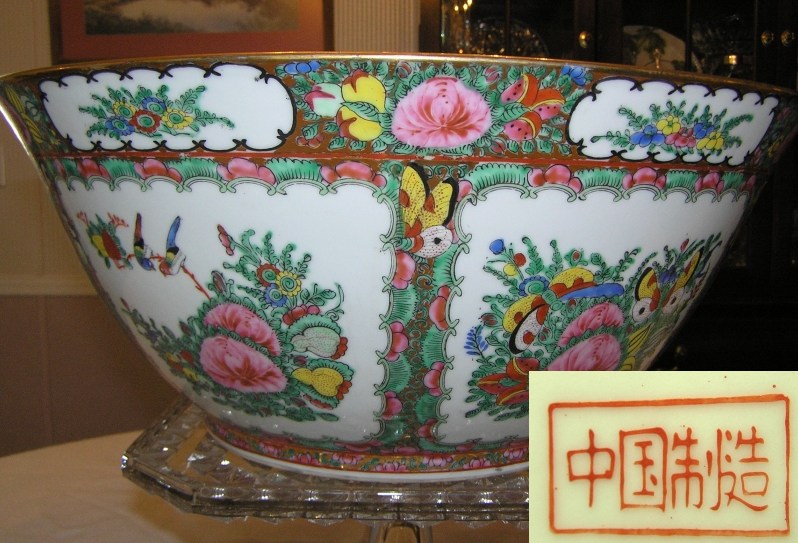
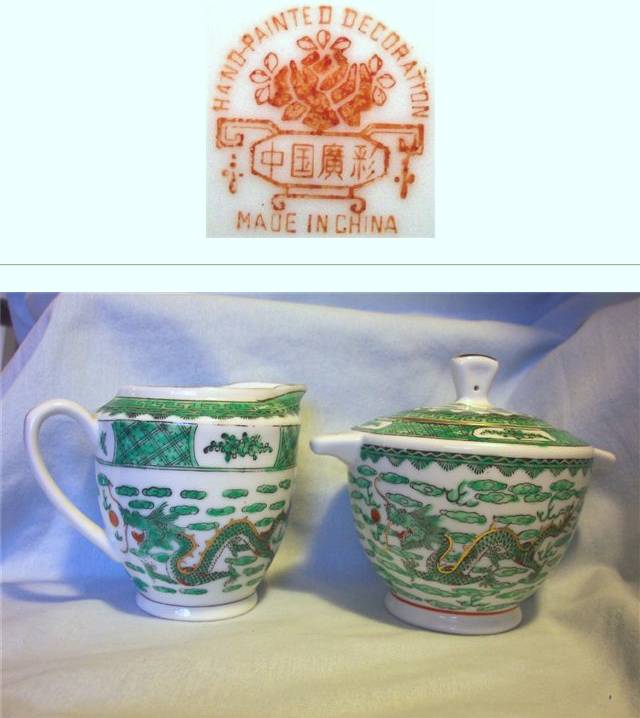
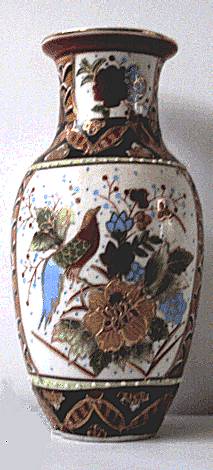
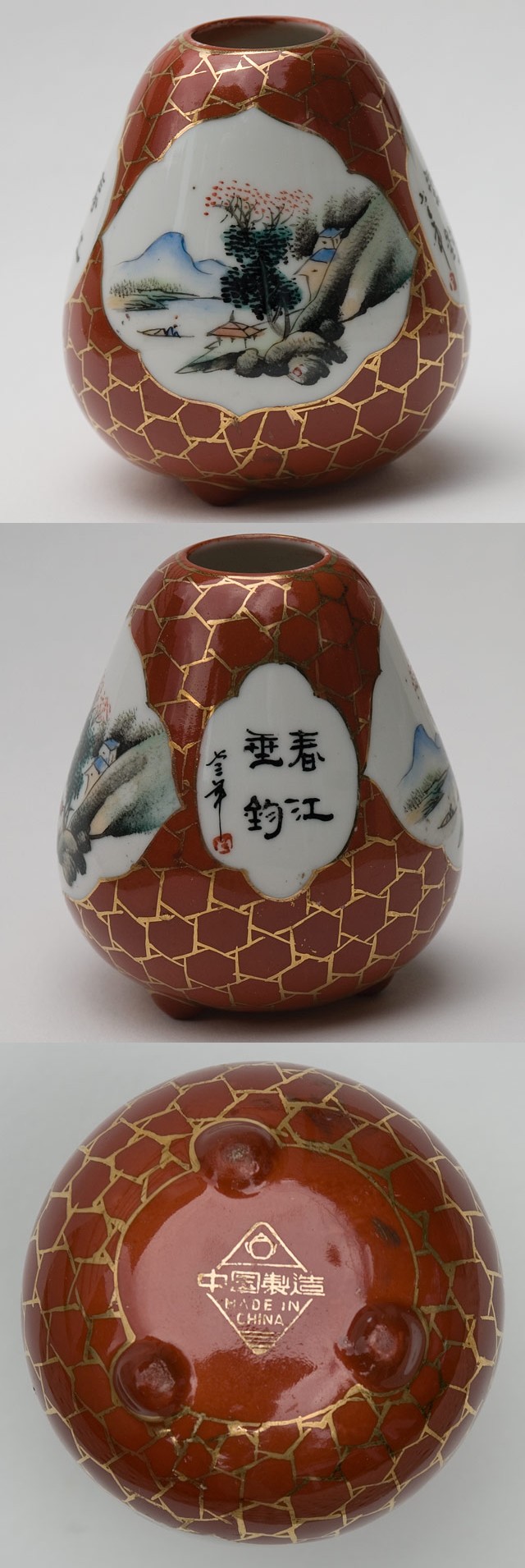
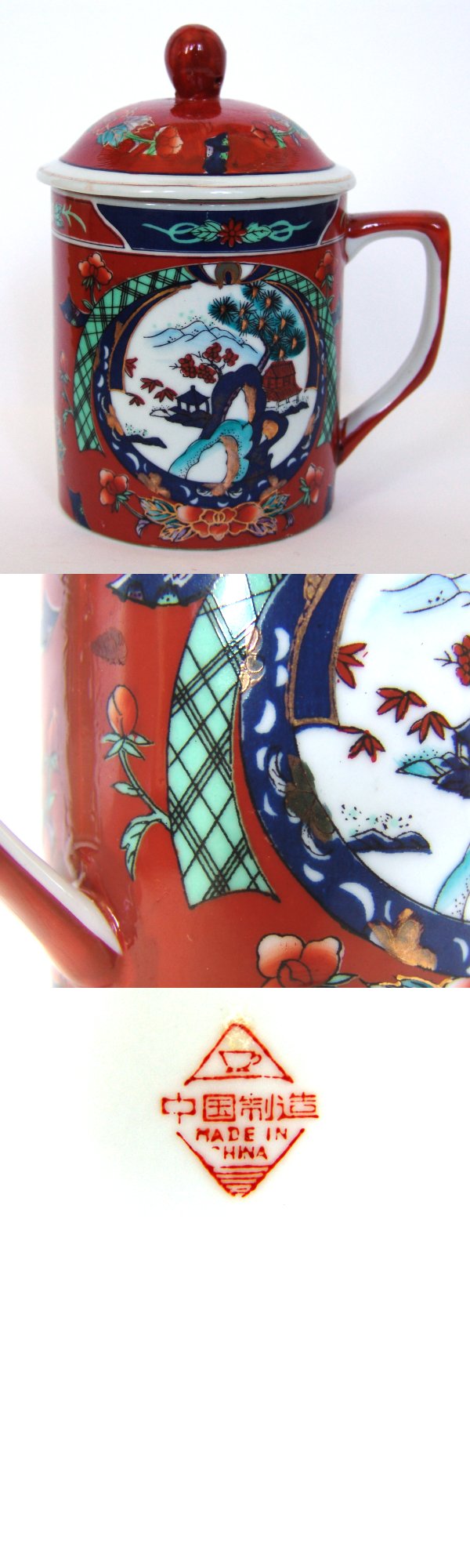
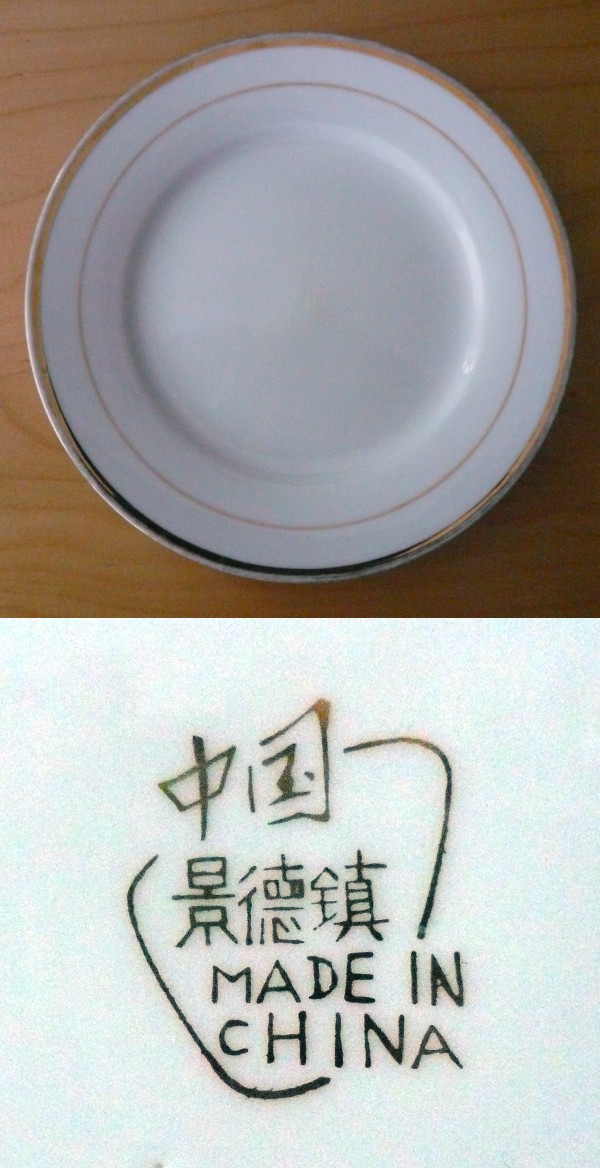
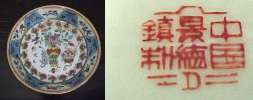

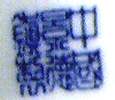
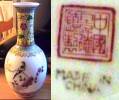
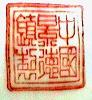
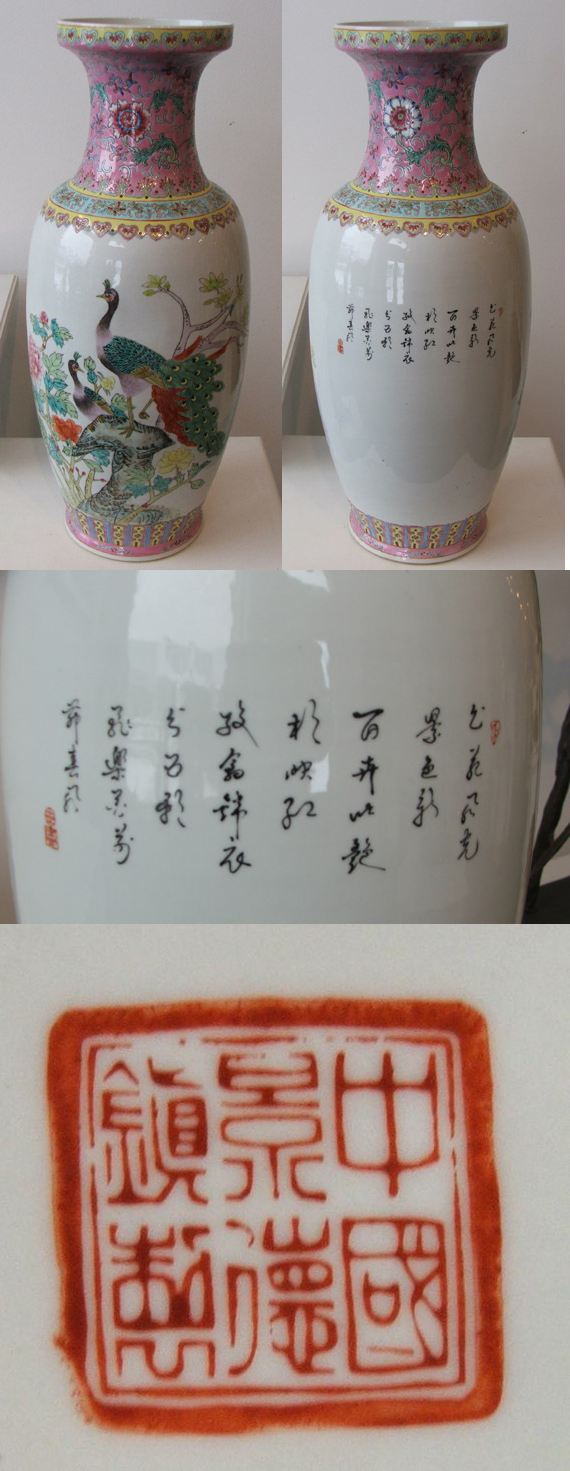
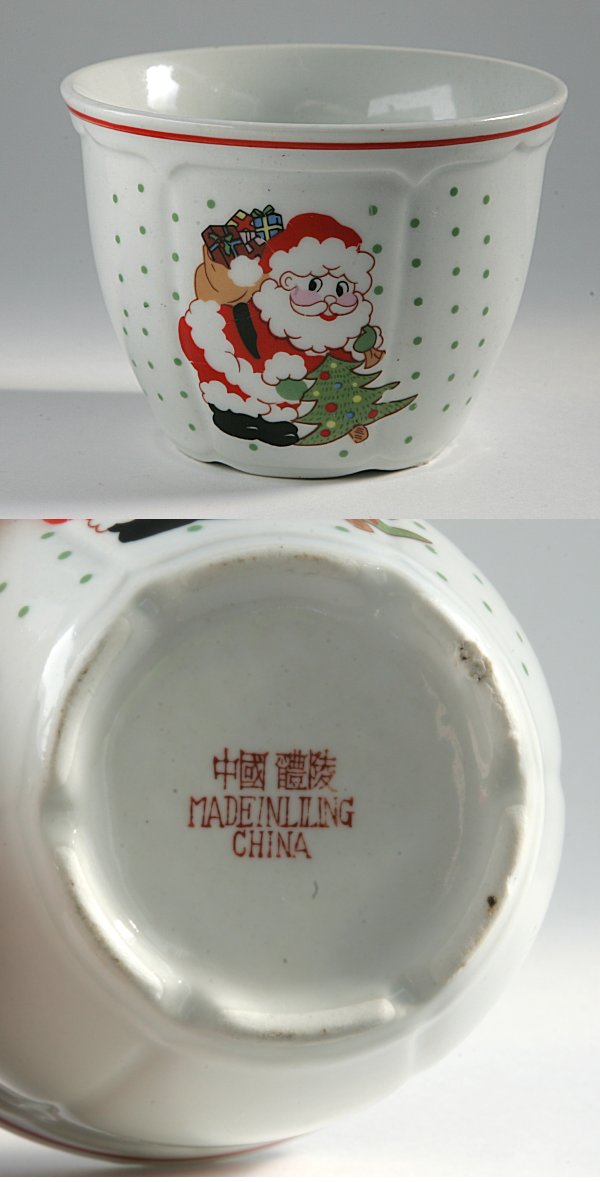

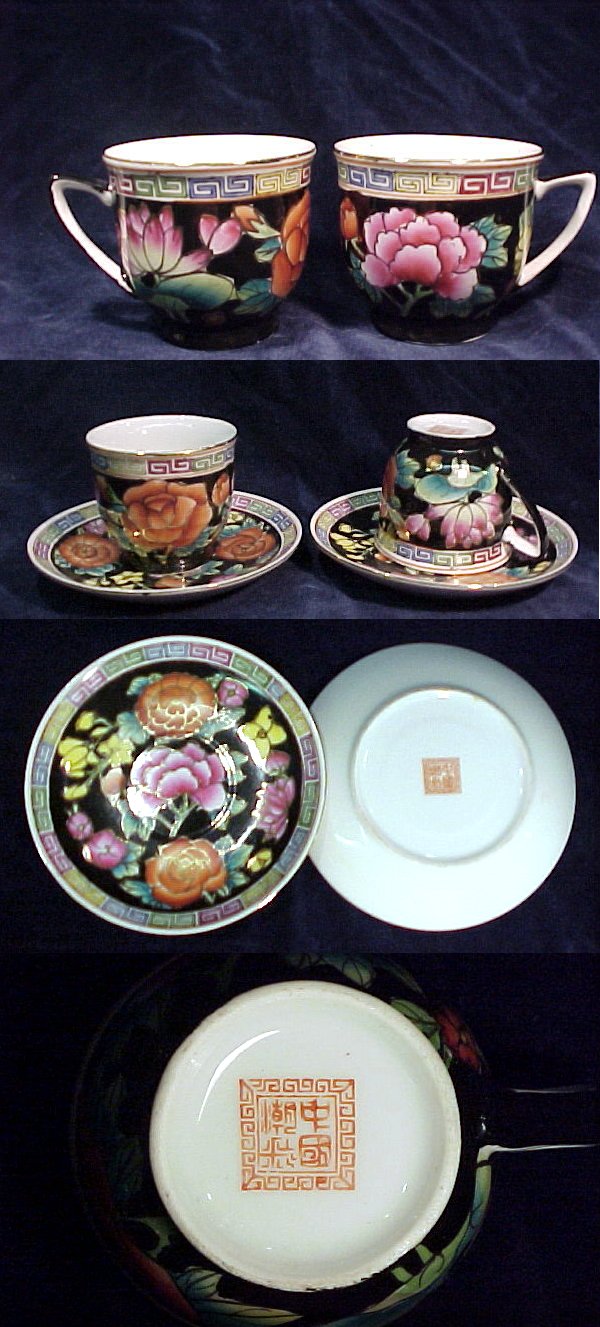

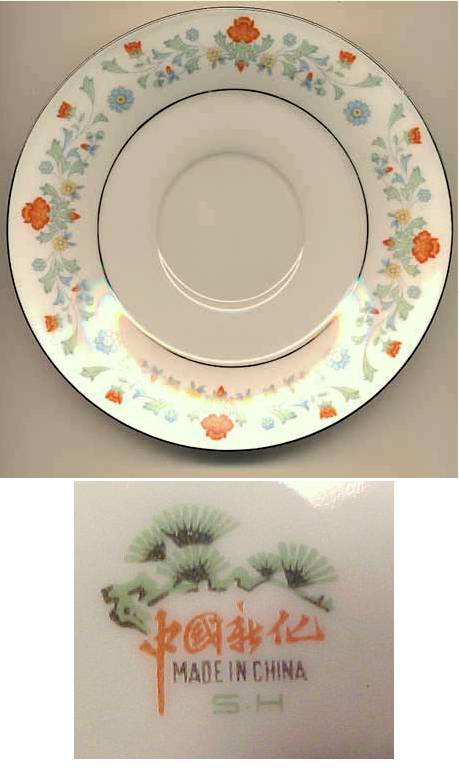
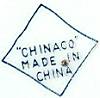
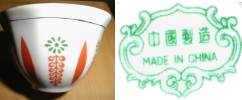
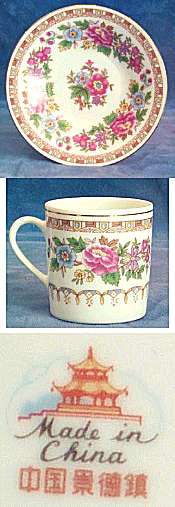
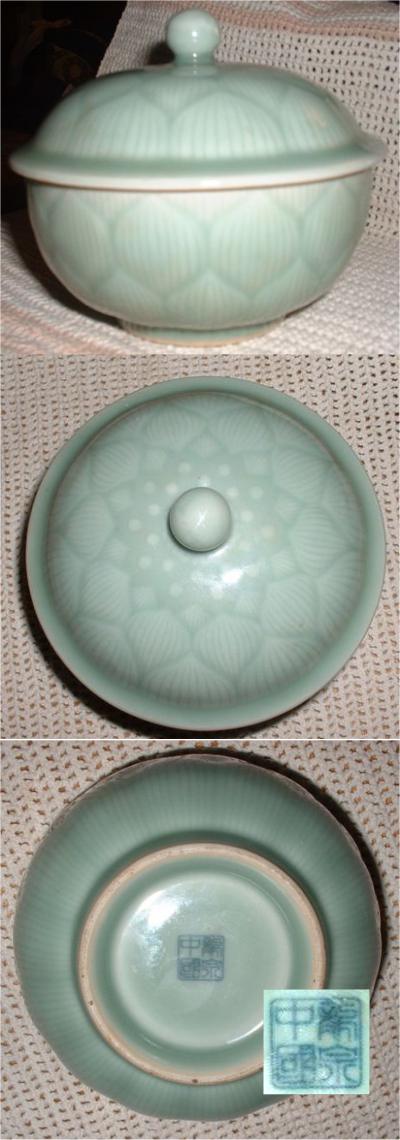
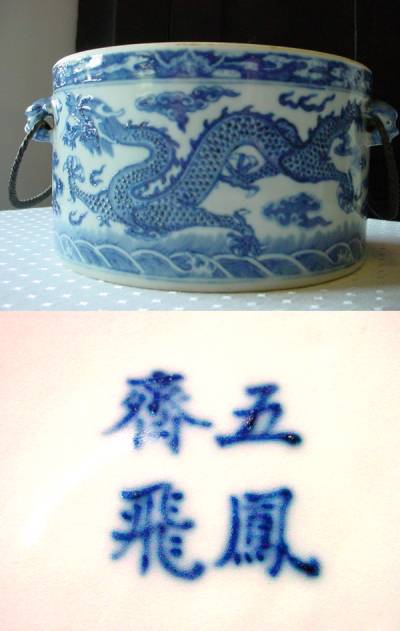
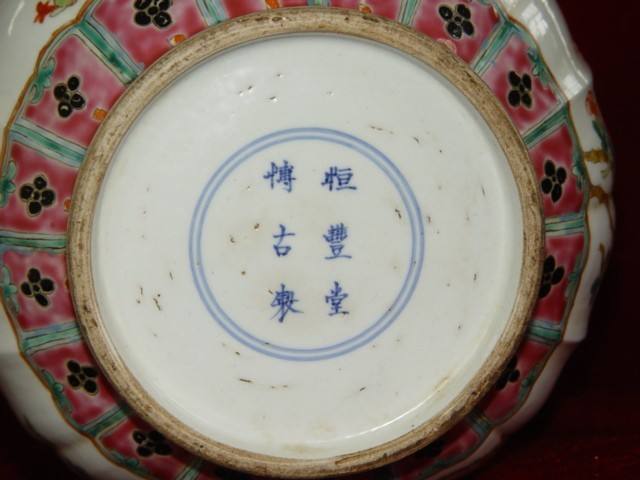
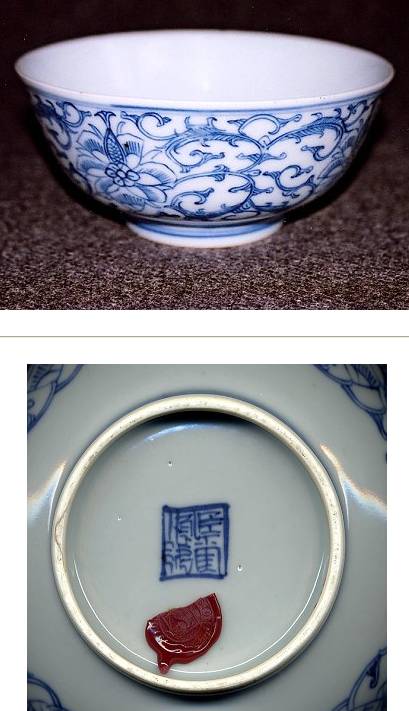
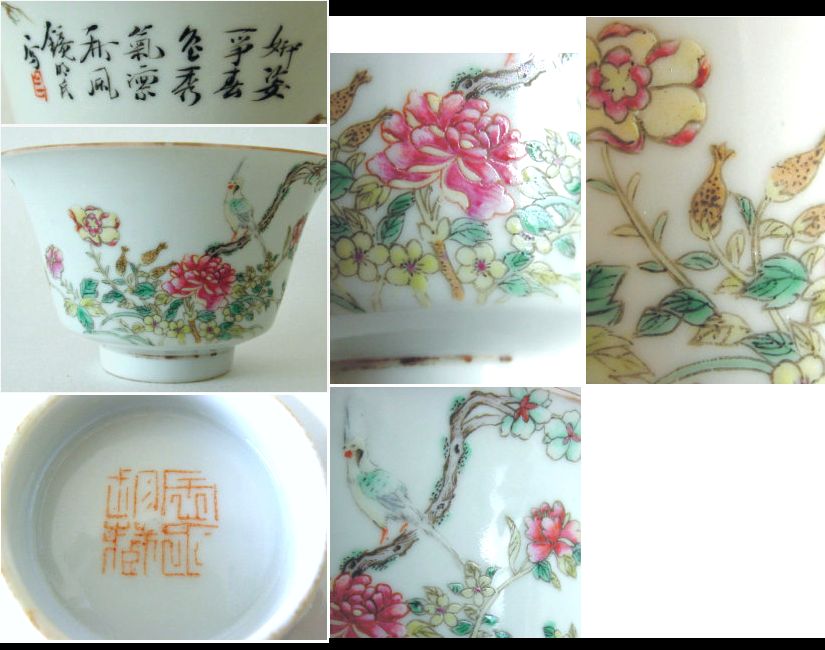
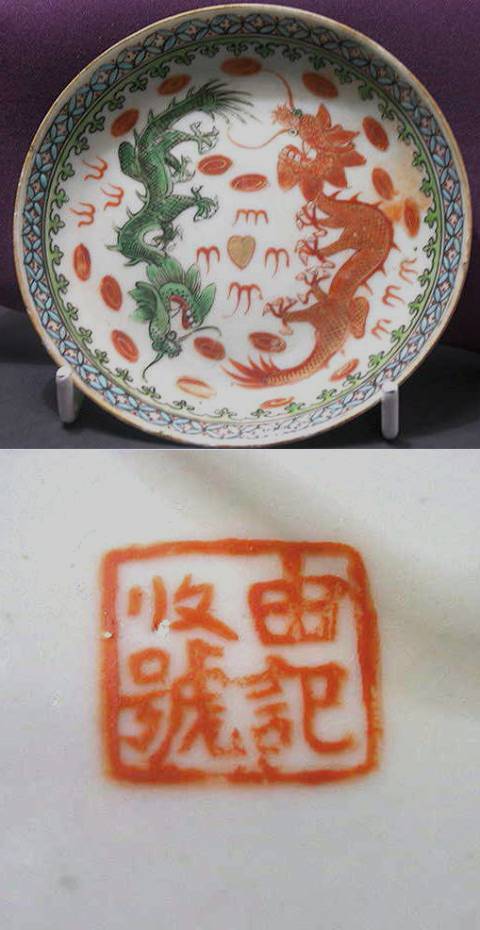
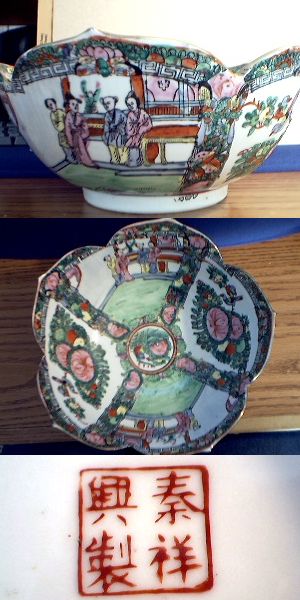
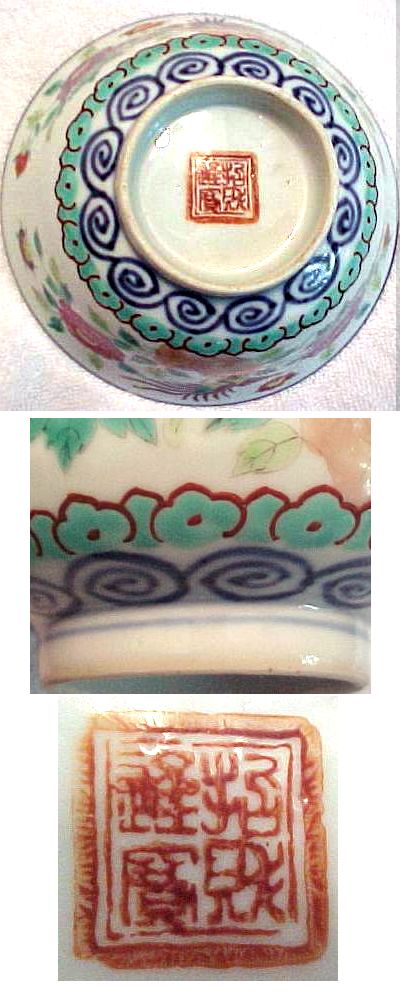
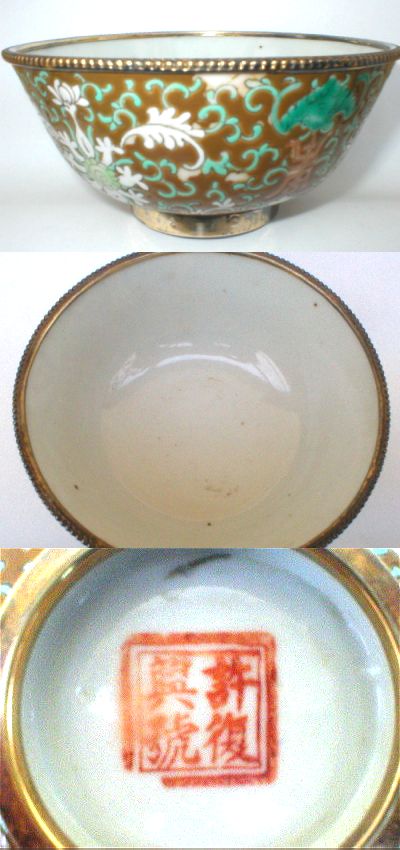
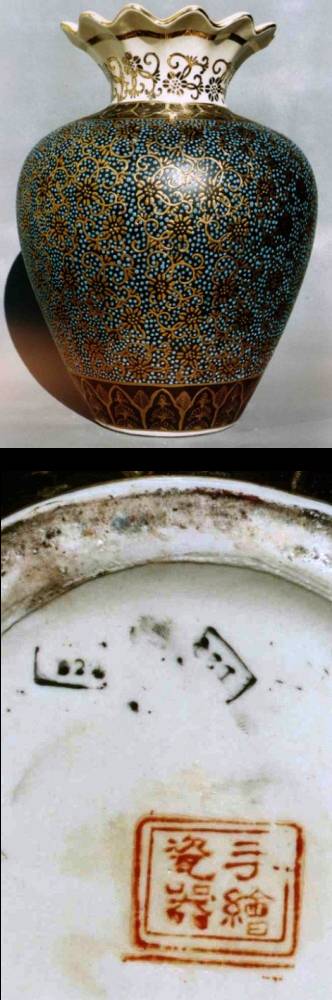
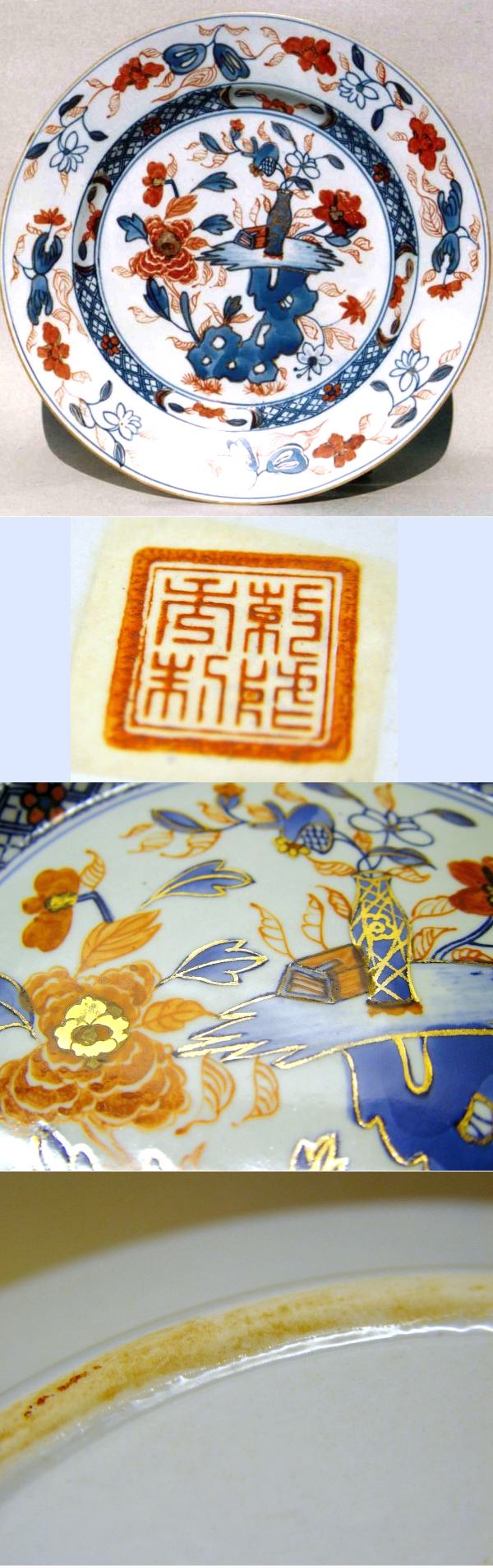


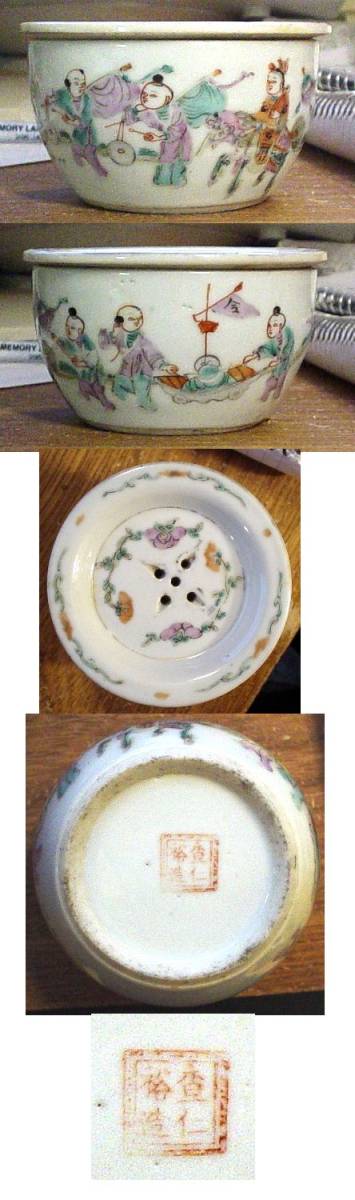
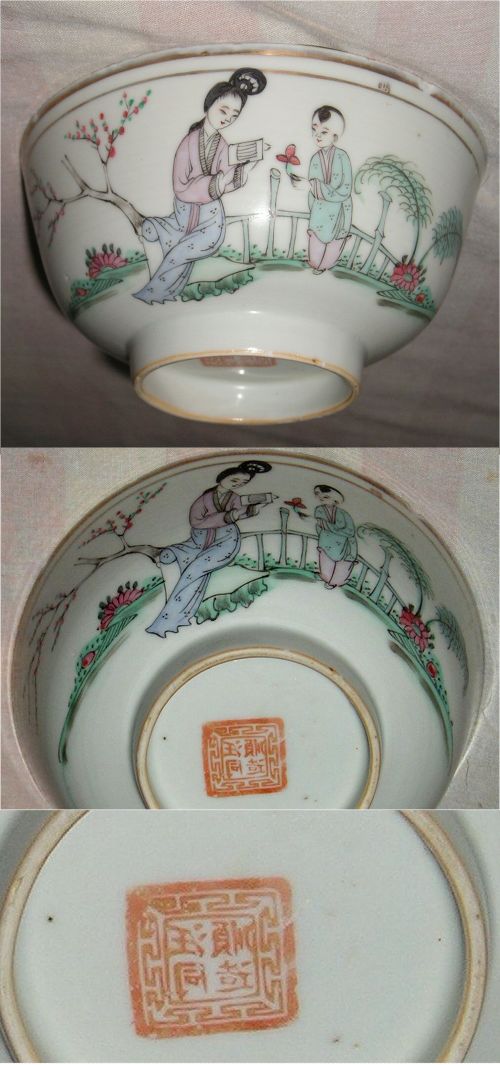
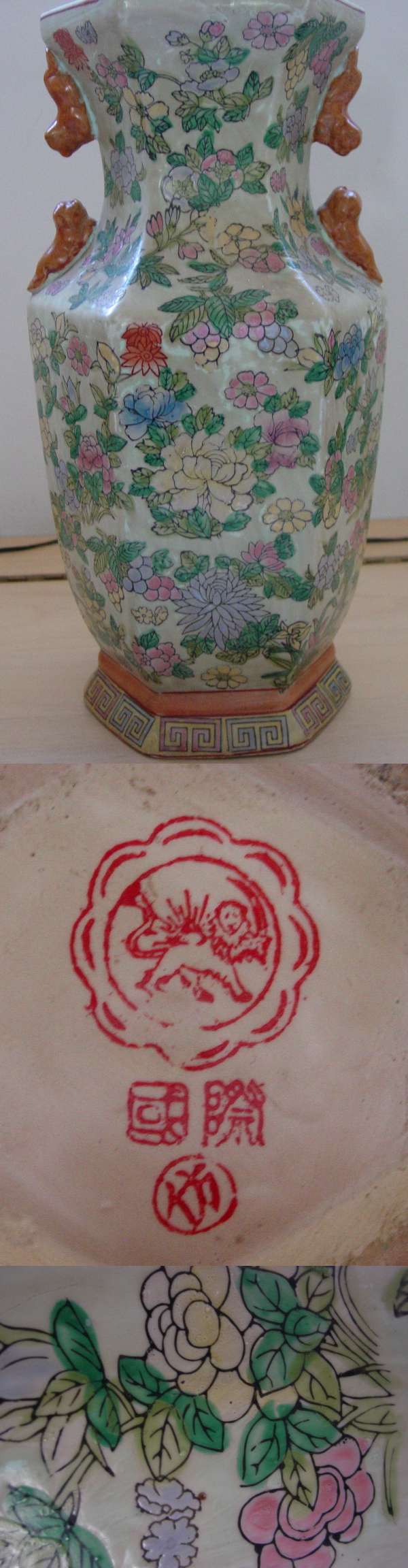
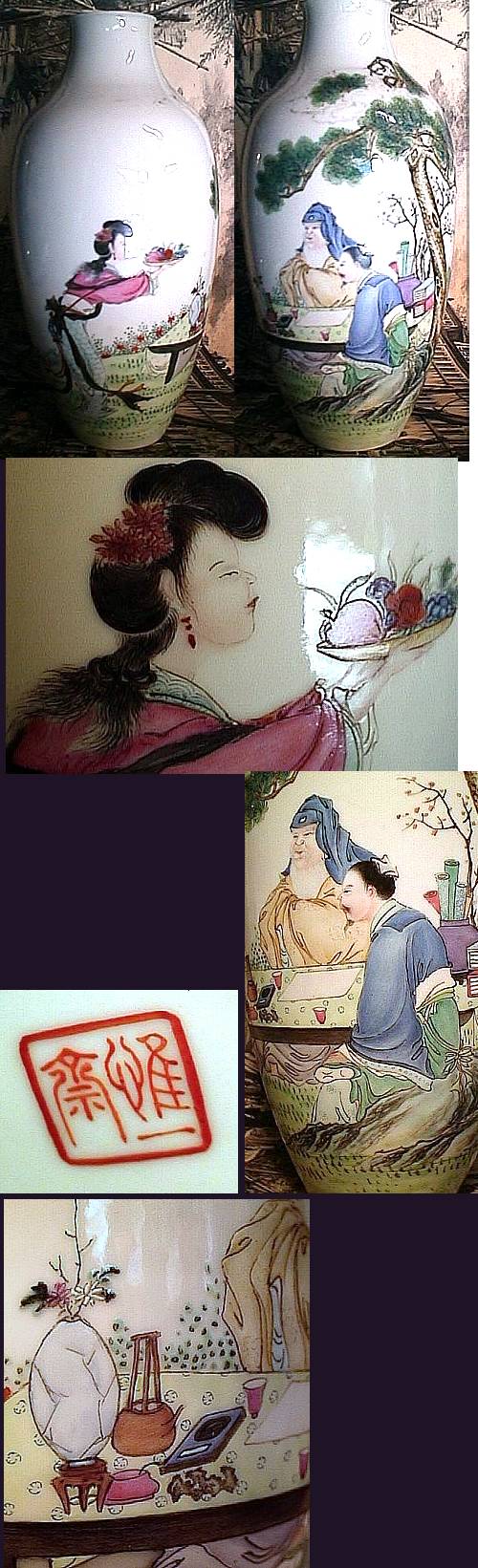

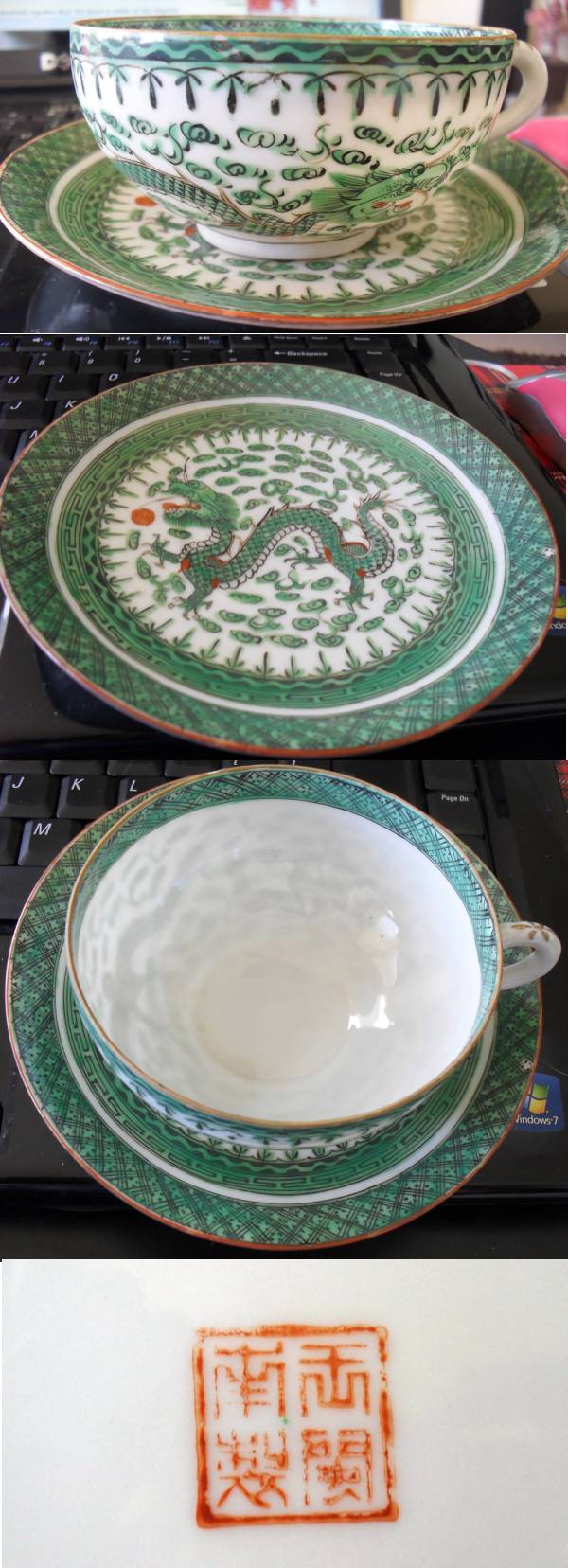
 Click here to see large picture
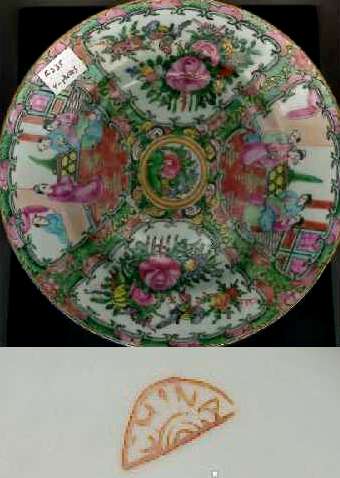 Click here to see large picture
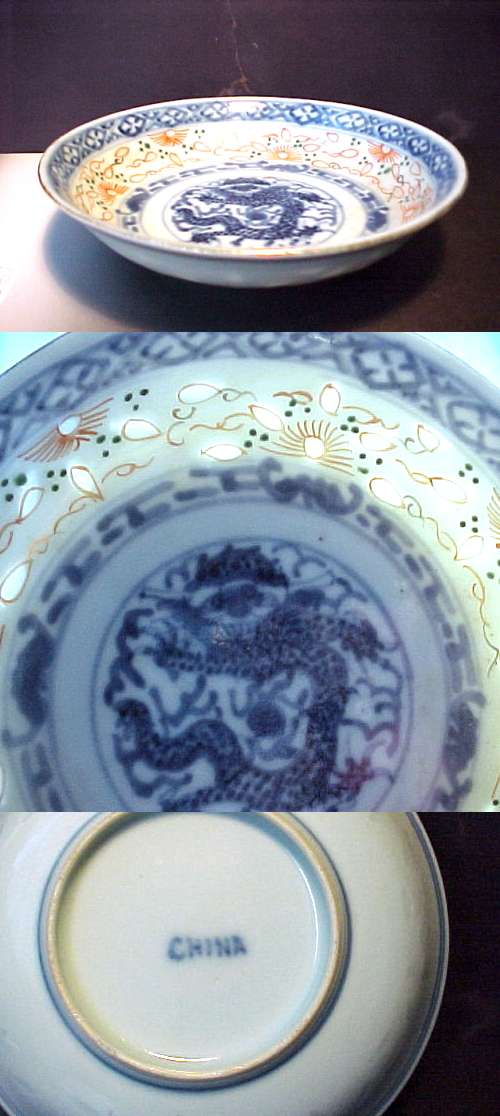 Click here to see large picture
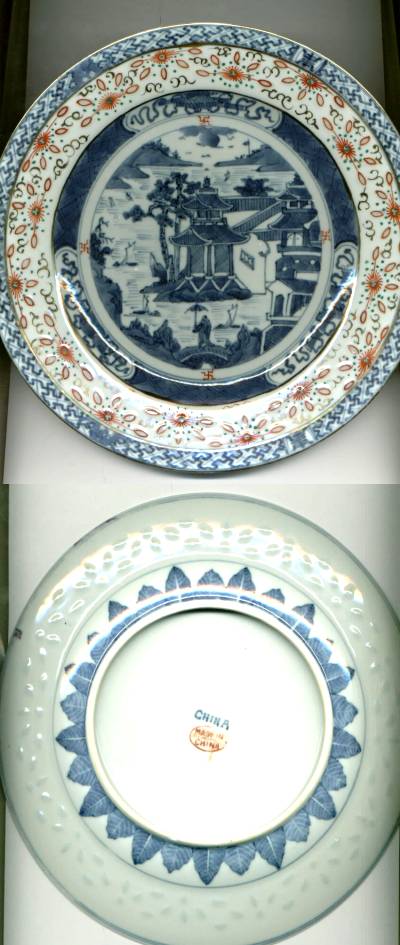 Click here to see large picture
 Click here to see large picture
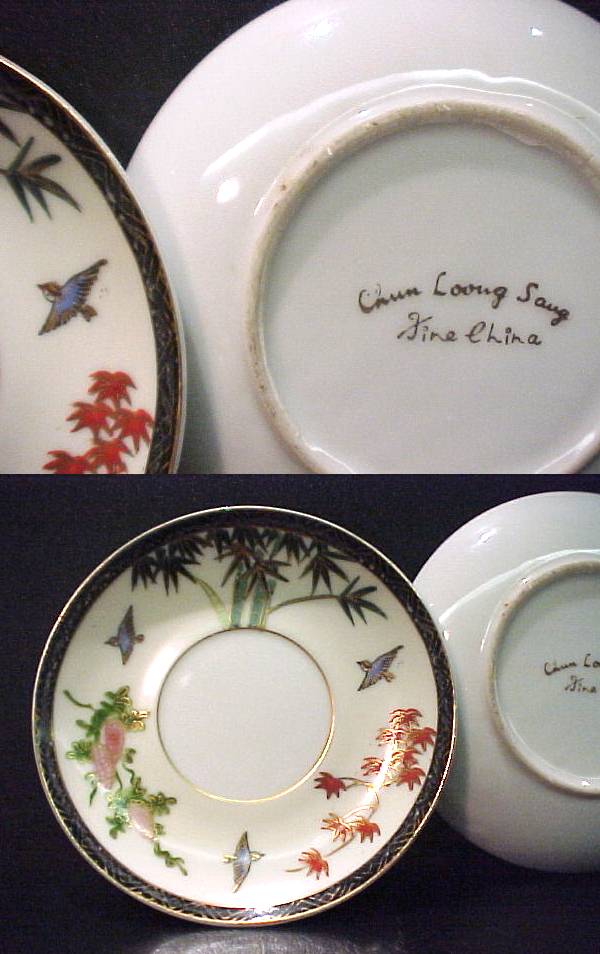 Click here to see large picture
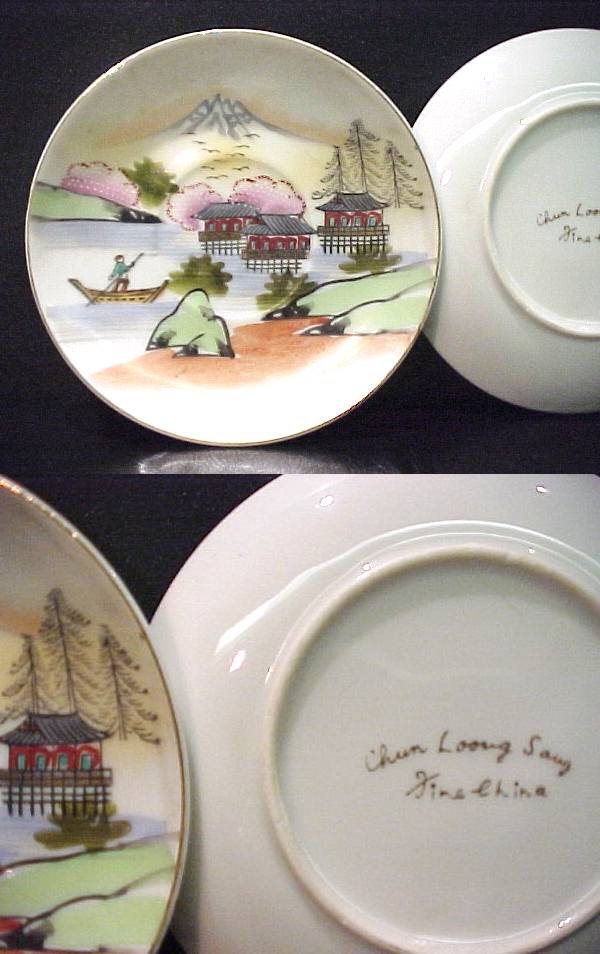 Click here to see large picture
 Click here to see large picture
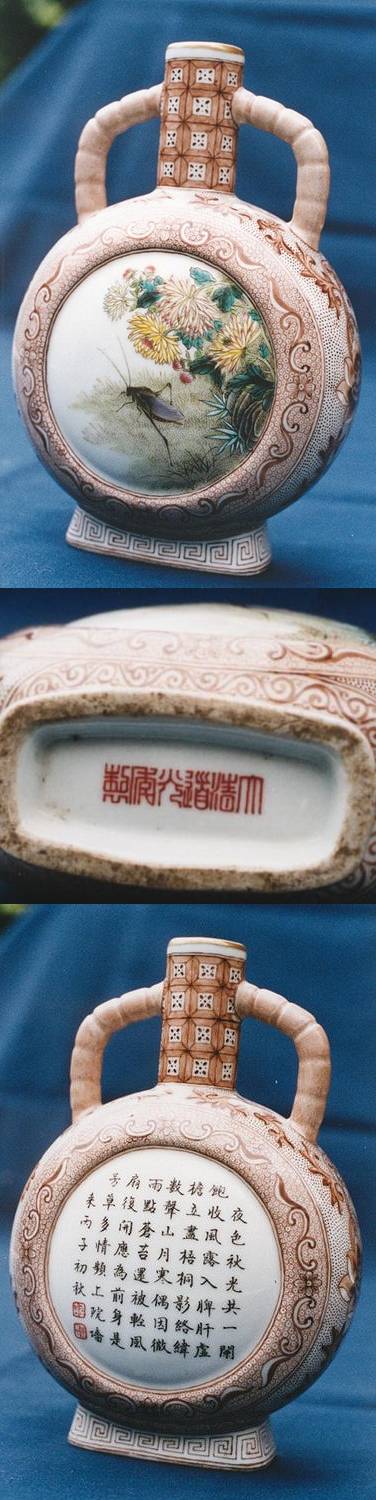 Click here to see large picture
 Click here to see large picture
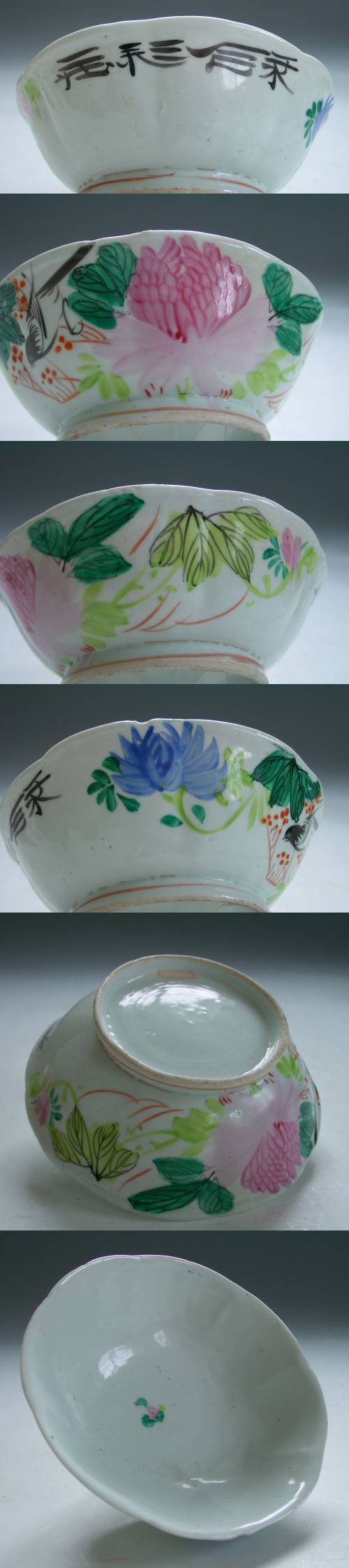 Click here to see large picture
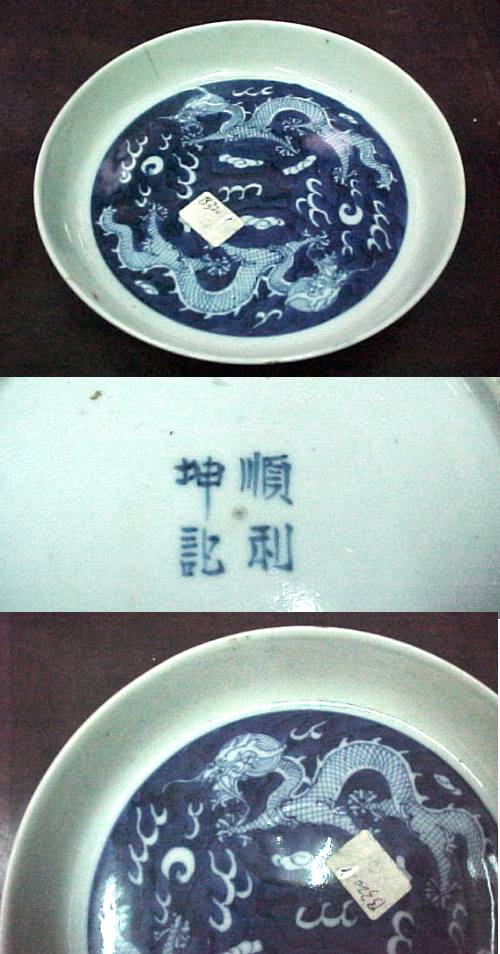 Click here to see large picture
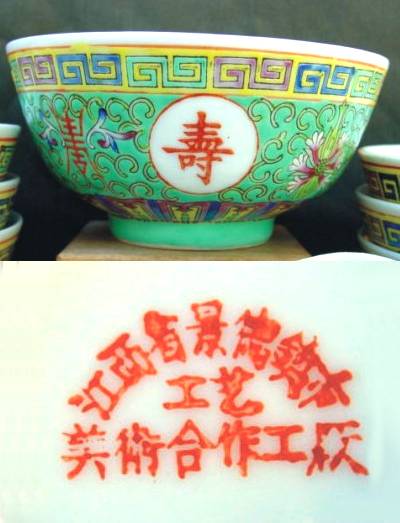 Click here to see large picture
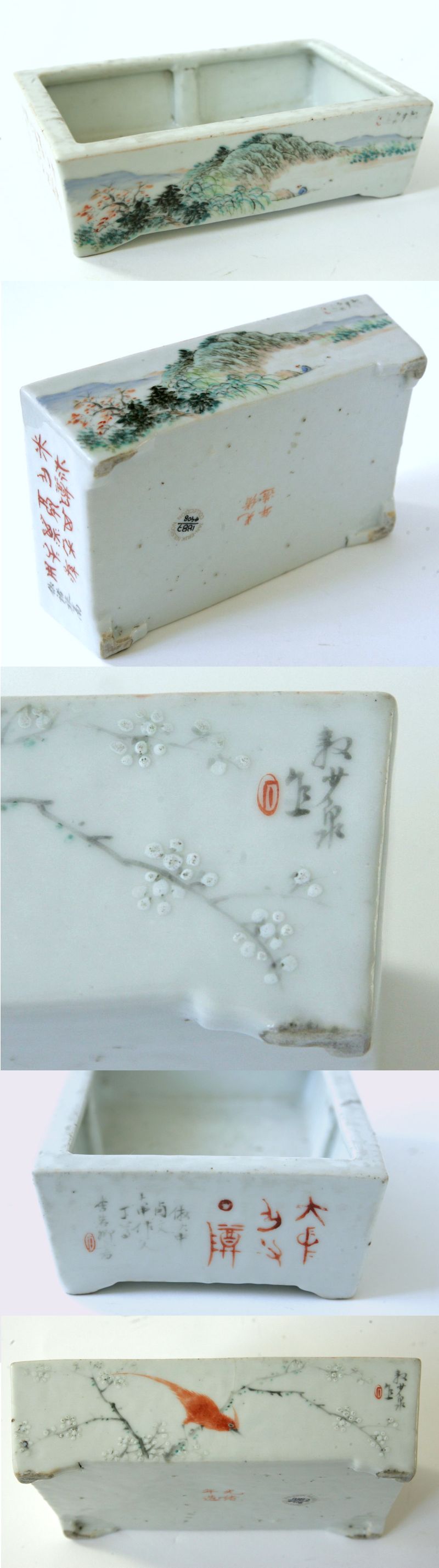 Click here to see large picture
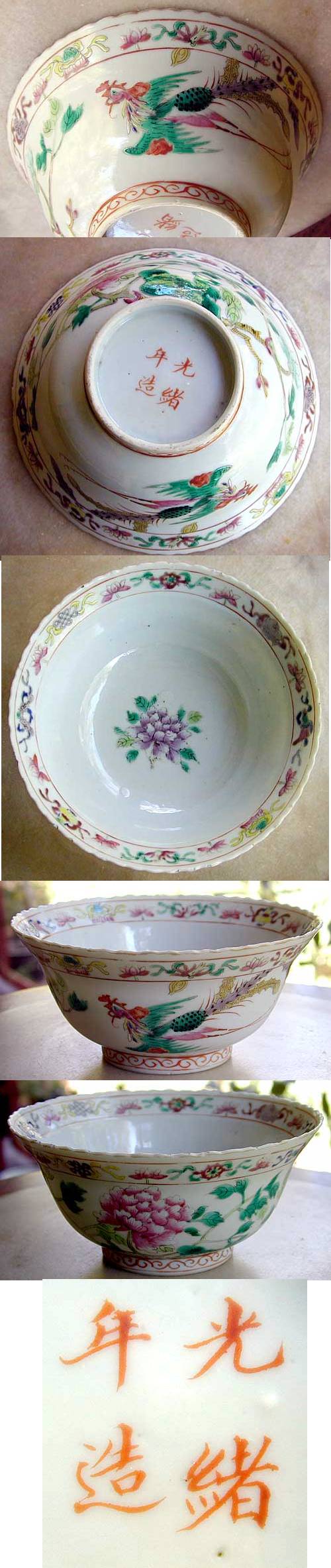 Click here to see large picture
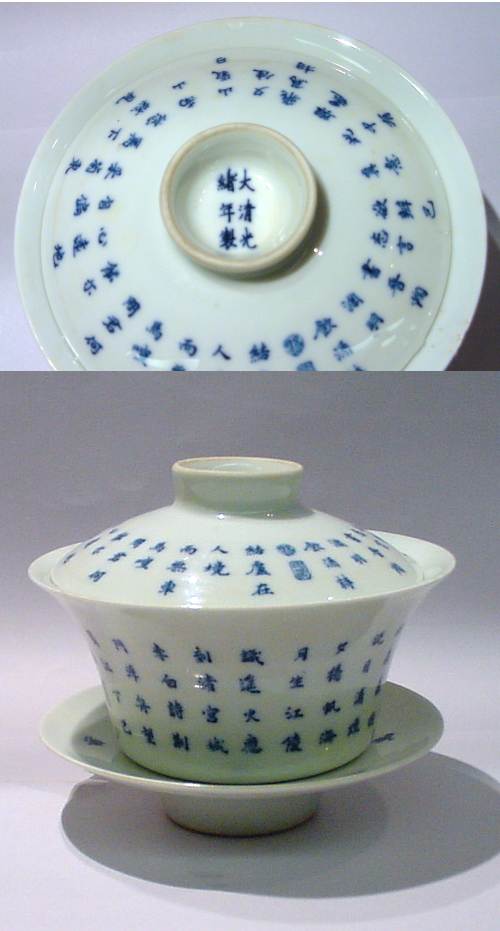 Click here to see large picture
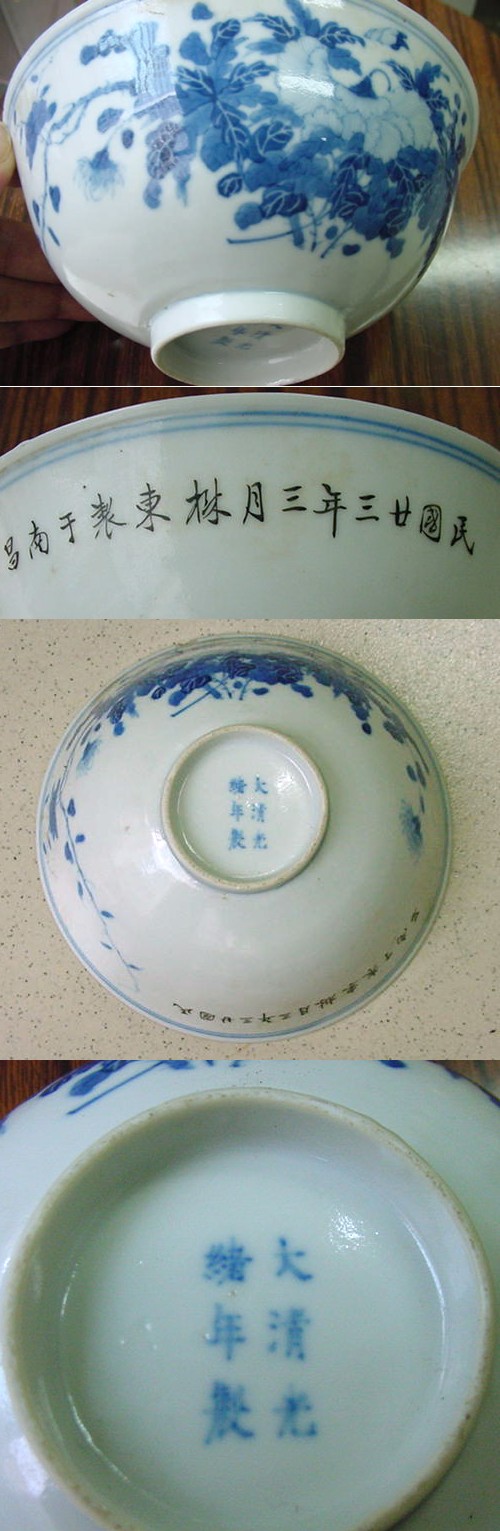 Click here to see large picture
 Click here to see large picture
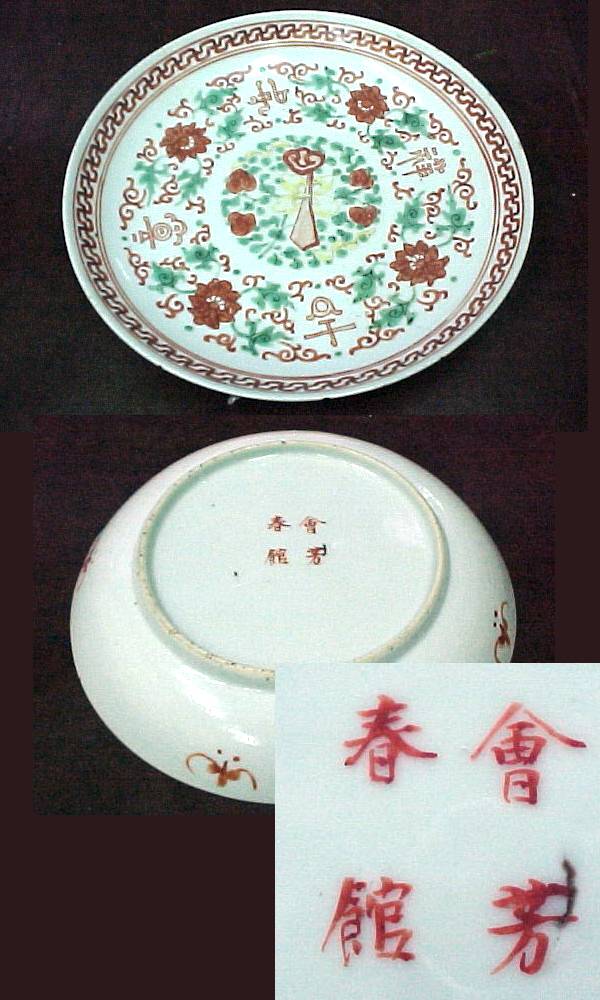 Click here to see large picture
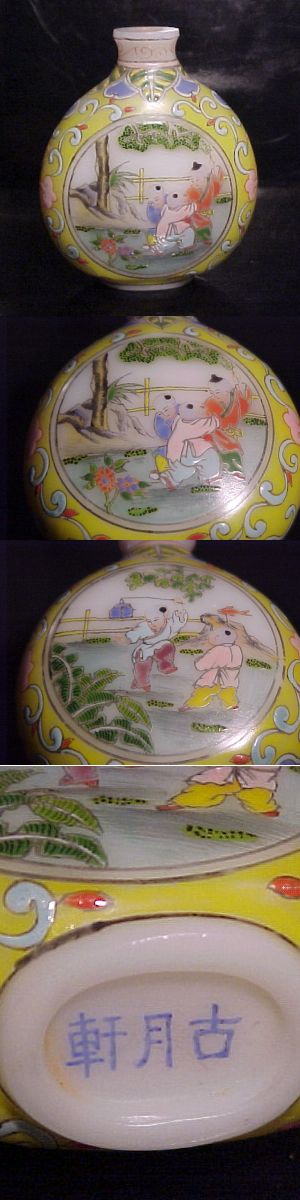 Click here to see large picture
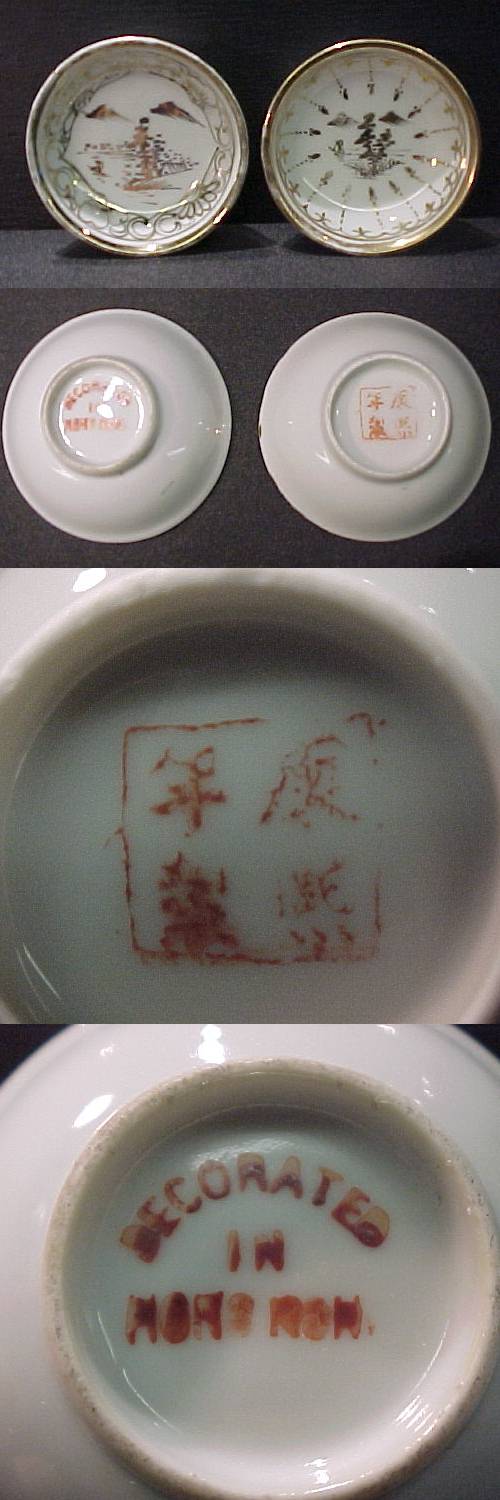 Click here to see large picture
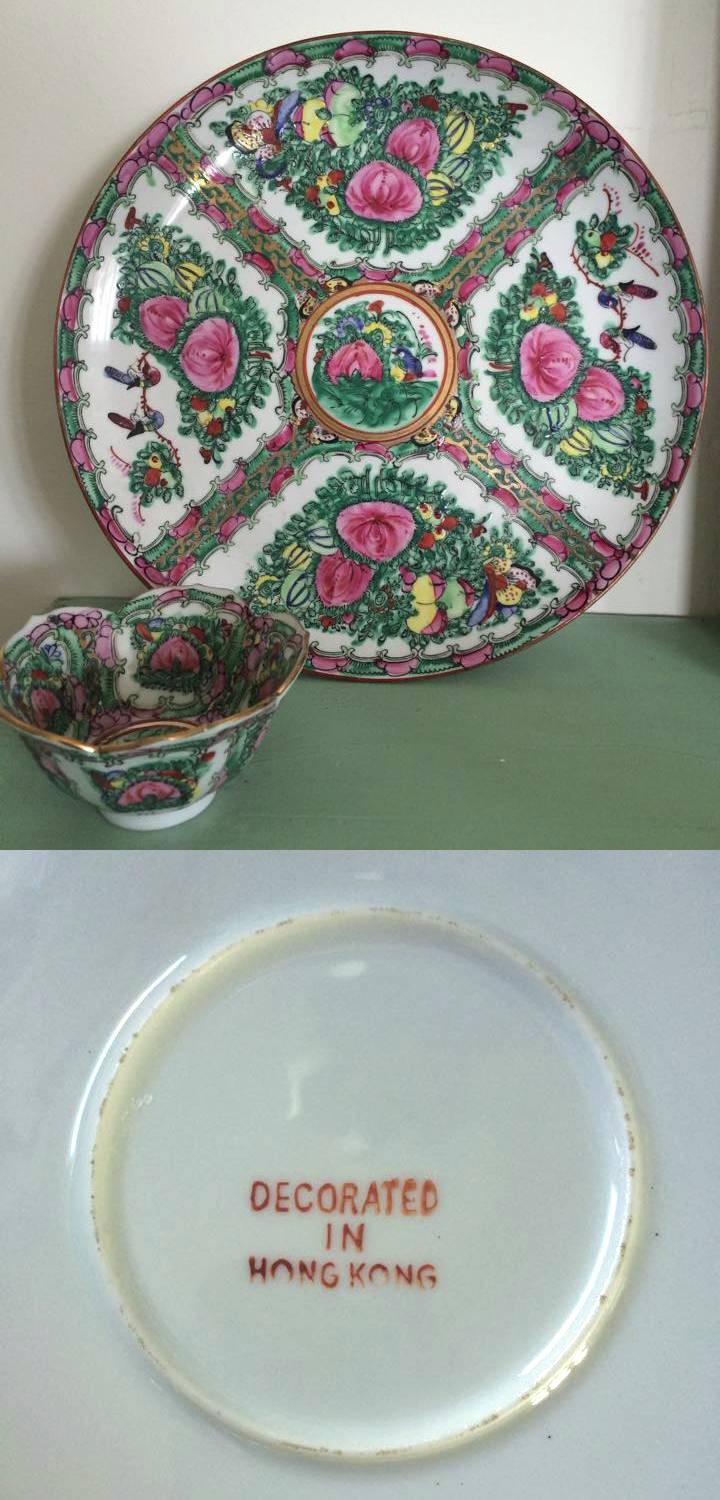 Click here to see large picture
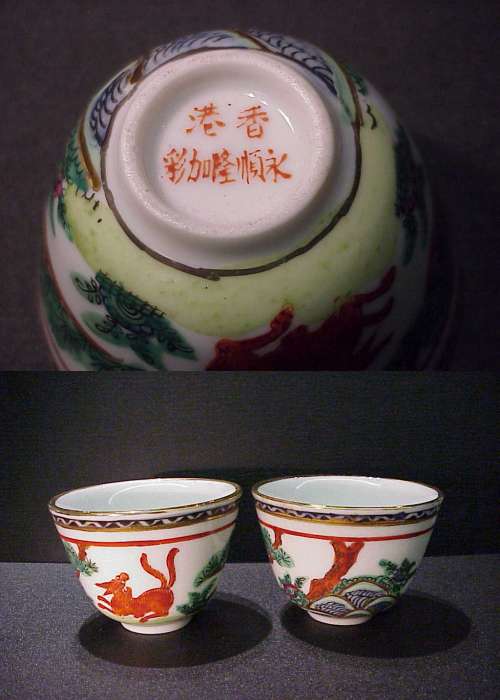 Click here to see large picture
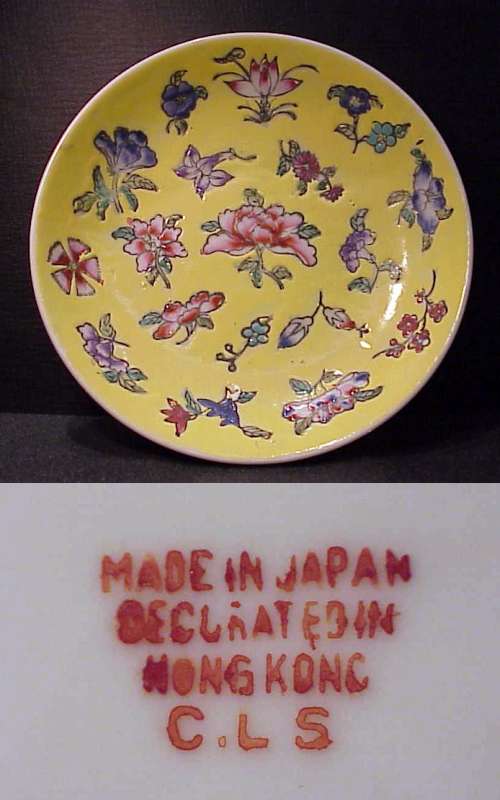 Click here to see large picture
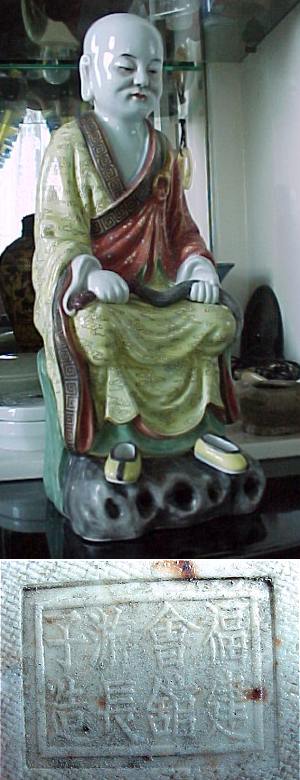 Click here to see large picture
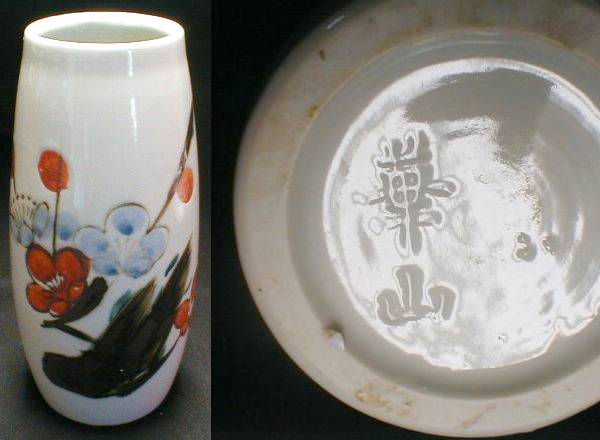 Click here to see large picture
 Click here to see large picture
 Click here to see large picture
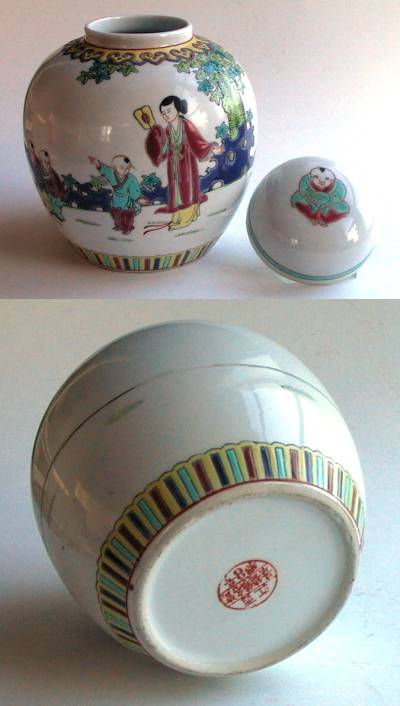 Click here to see large picture
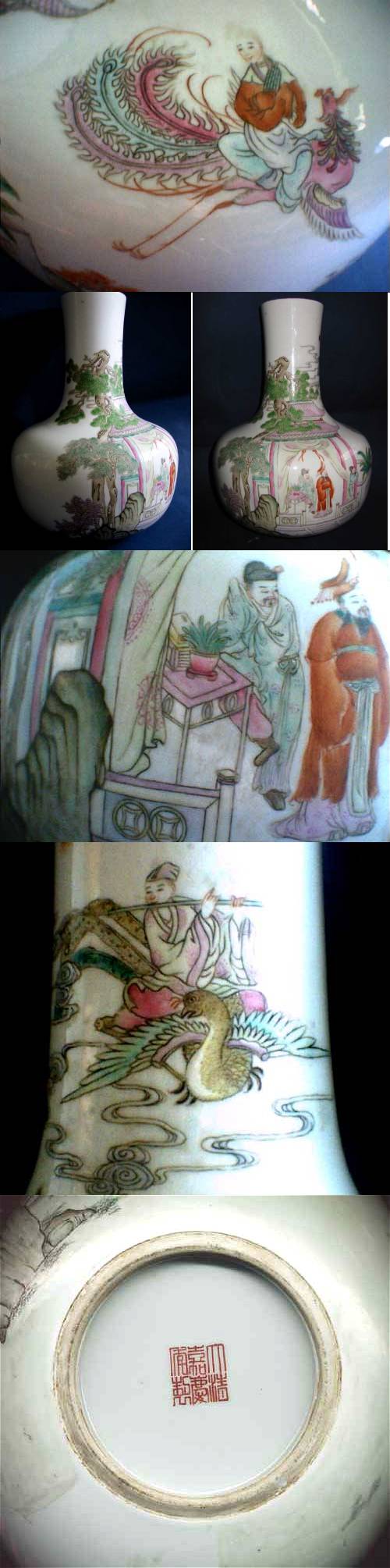 Click here to see large picture
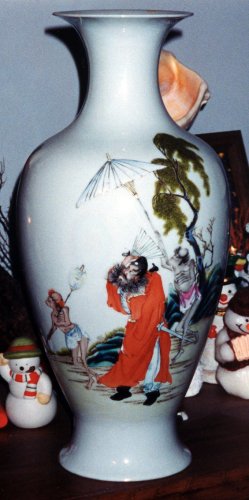 Click here to see large picture
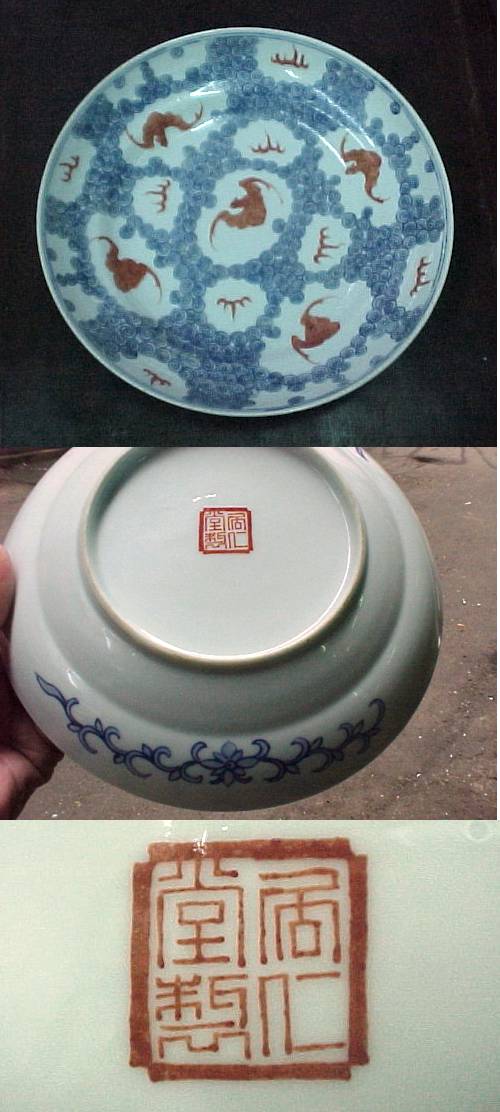 Click here to see large picture
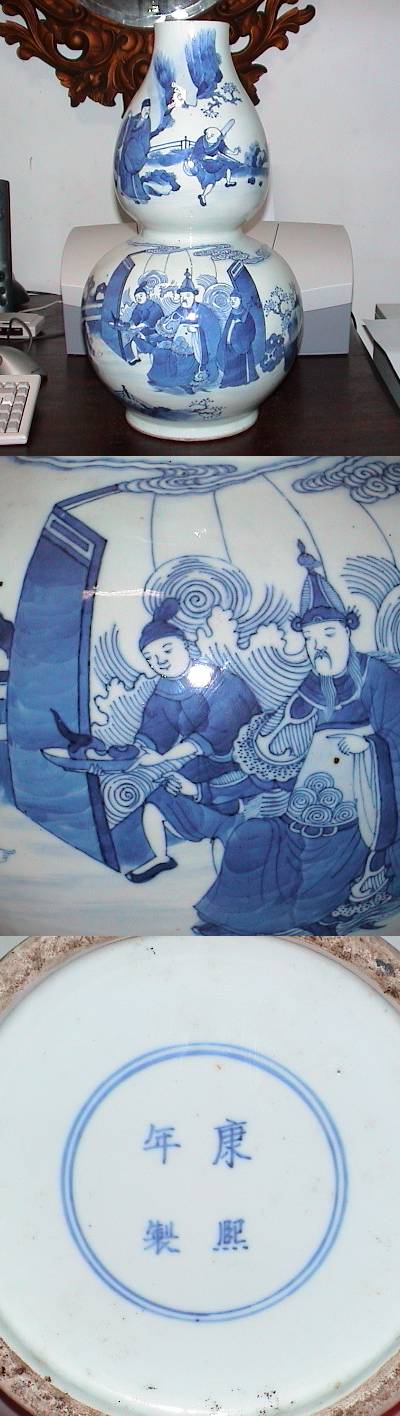
 Click here to see large picture
 Click here to see large picture
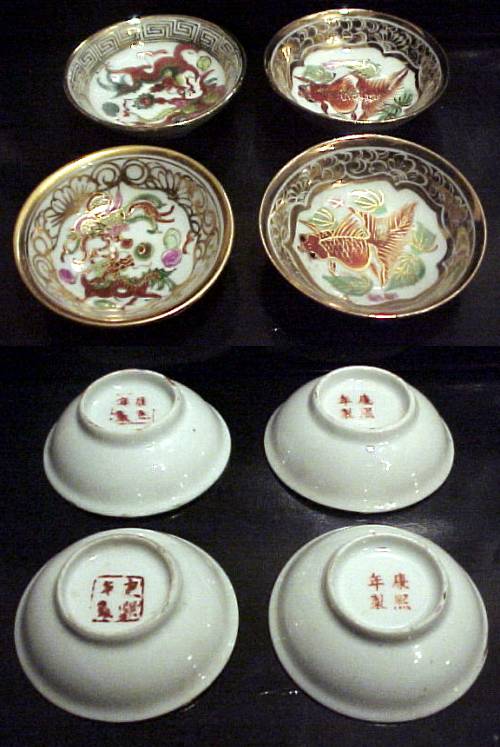 Click here to see large picture
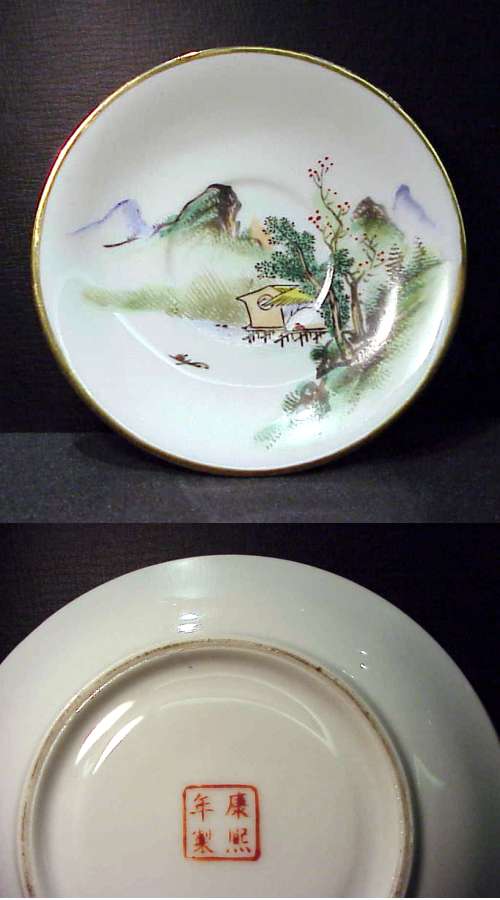 Click here to see large picture
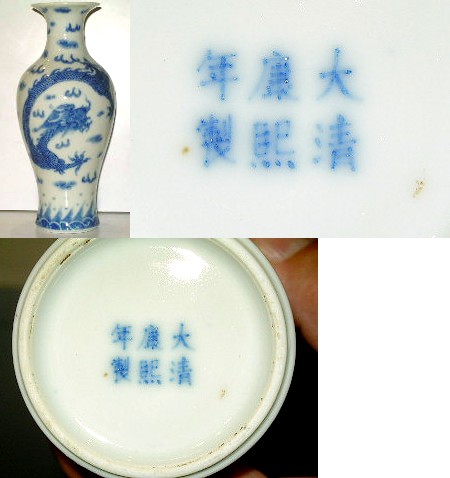 Click here to see large picture
 Click here to see large picture
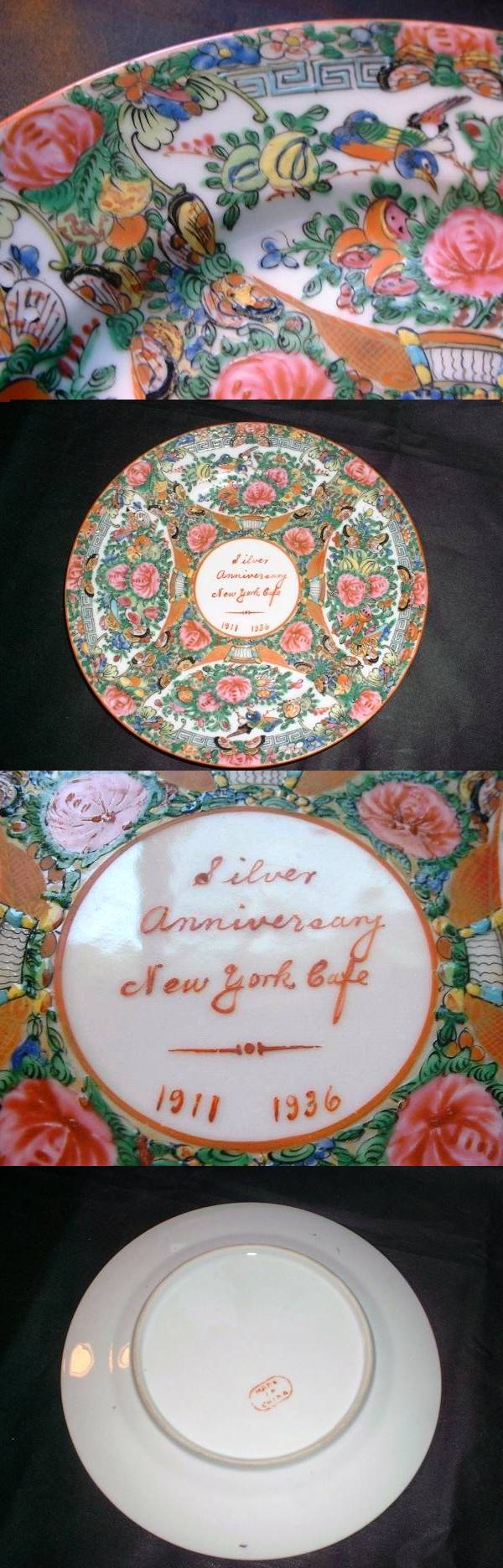 Click here to see large picture
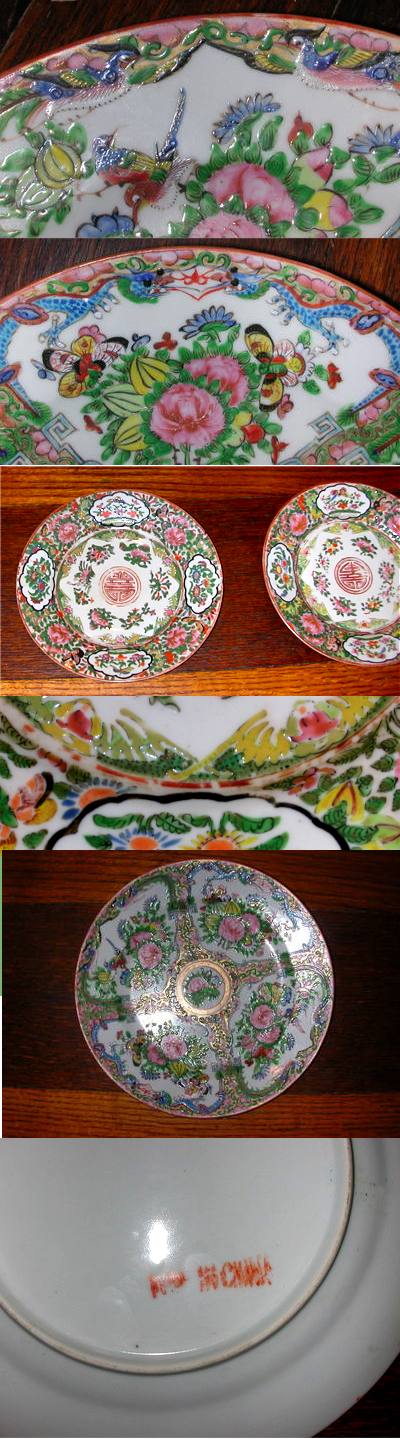 Click here to see large picture
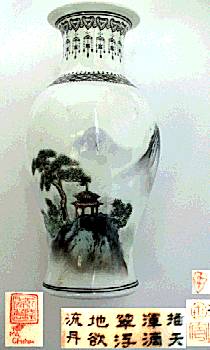 Click here to see large picture
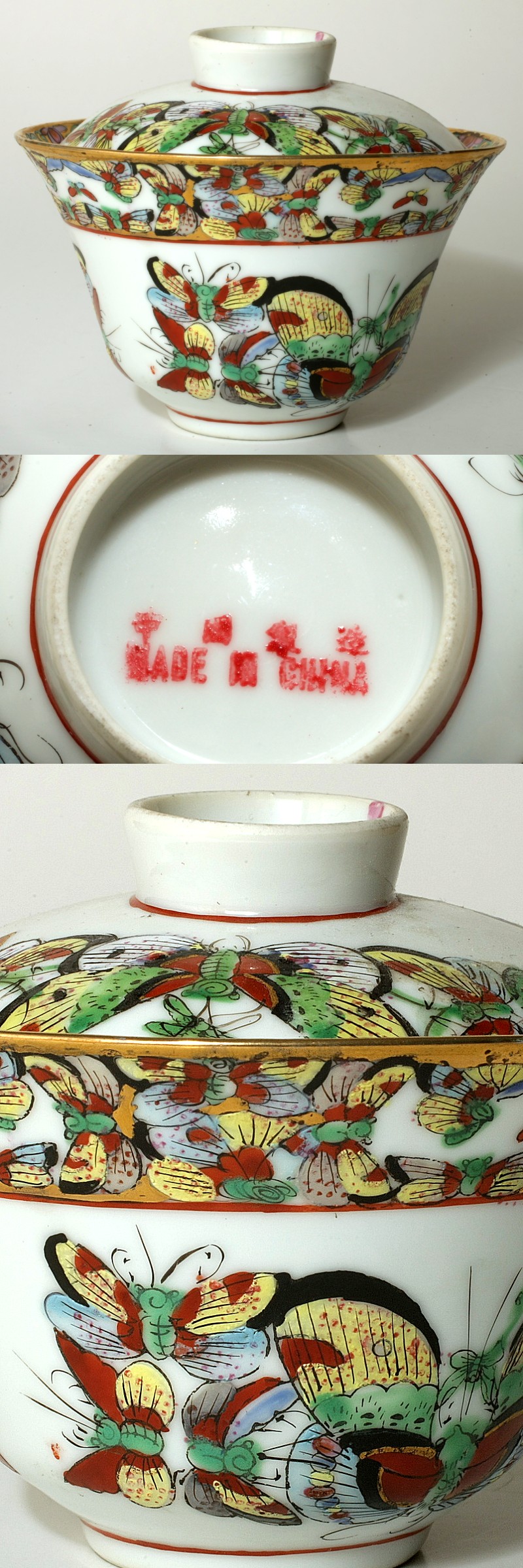 Click here to see large picture
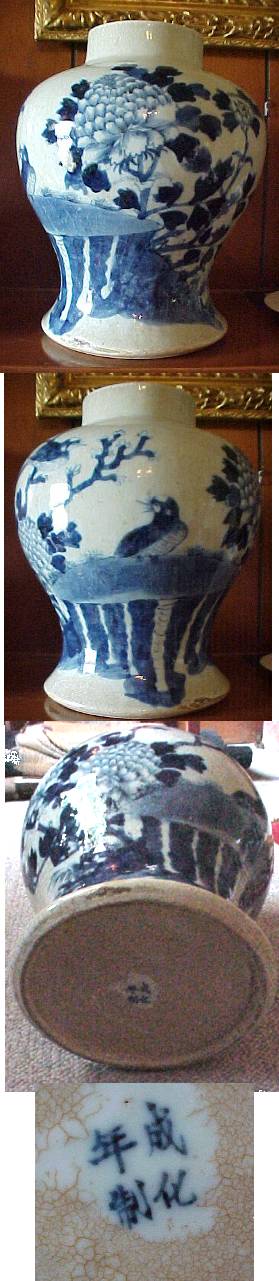 Click here to see large picture
 Click here to see large picture
 Click here to see large picture
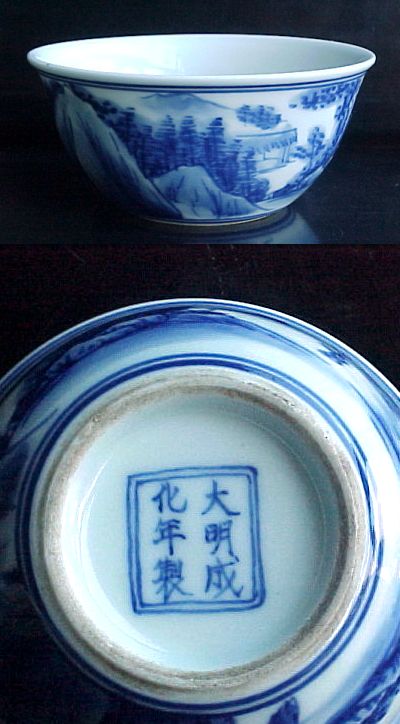 Click here to see large picture
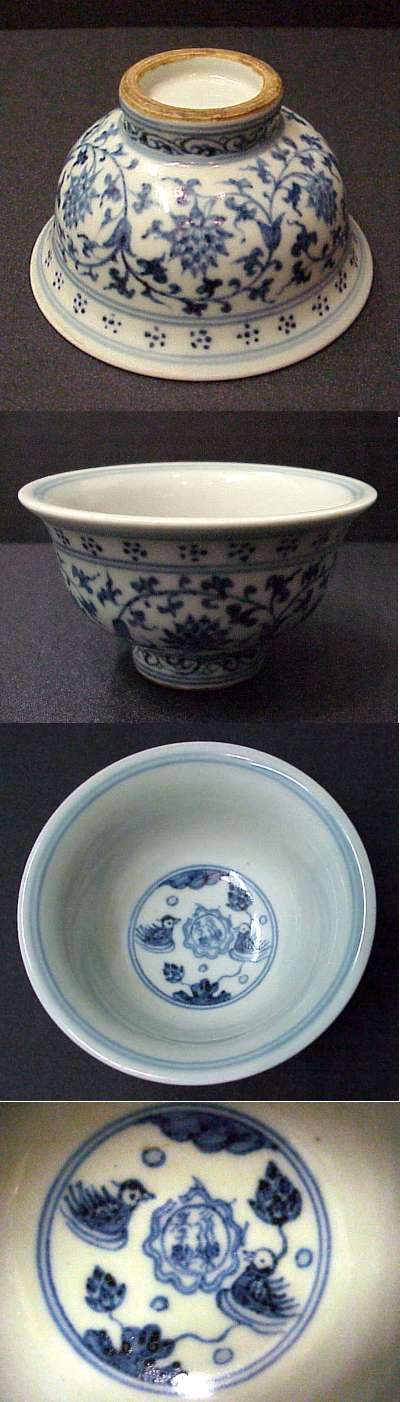 Click here to see large picture
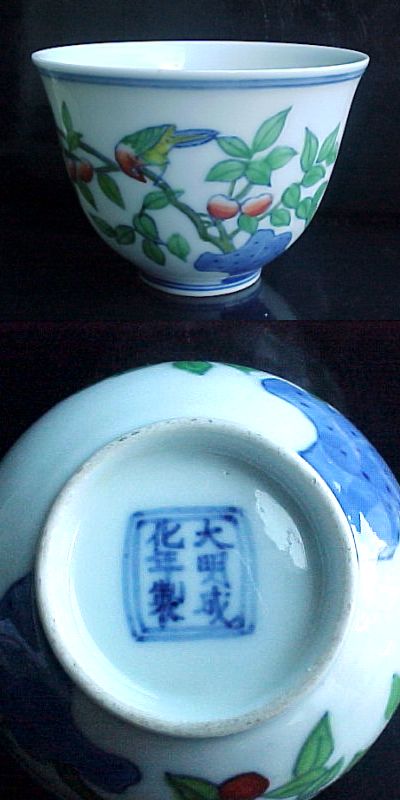 Click here to see large picture
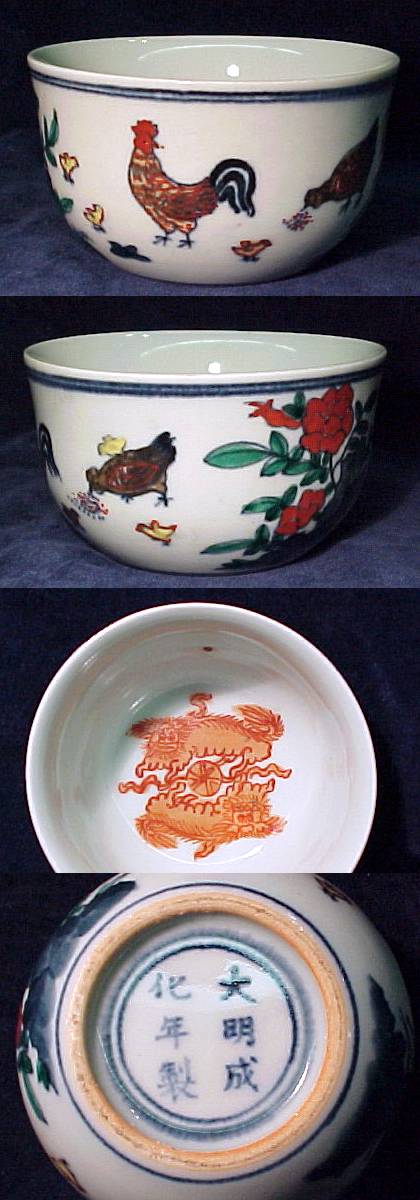 Click here to see large picture
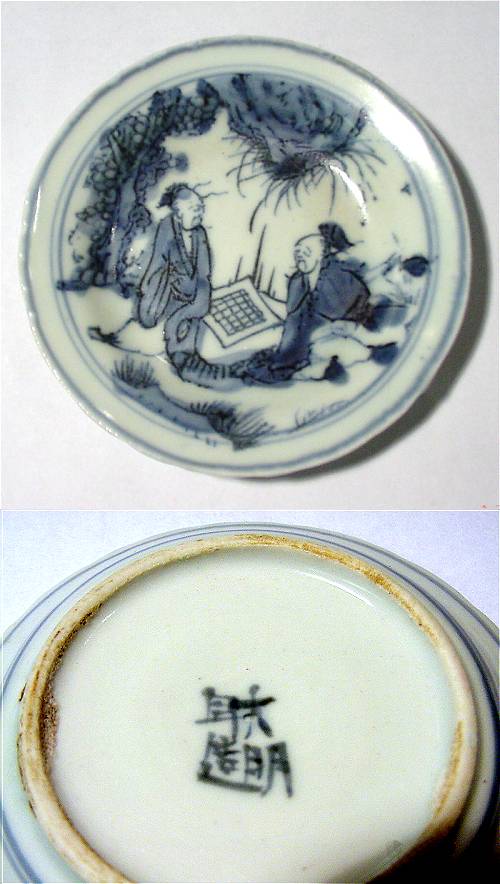 Click here to see large picture
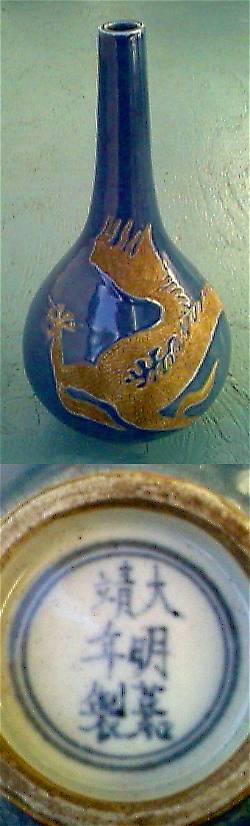 Click here to see large picture
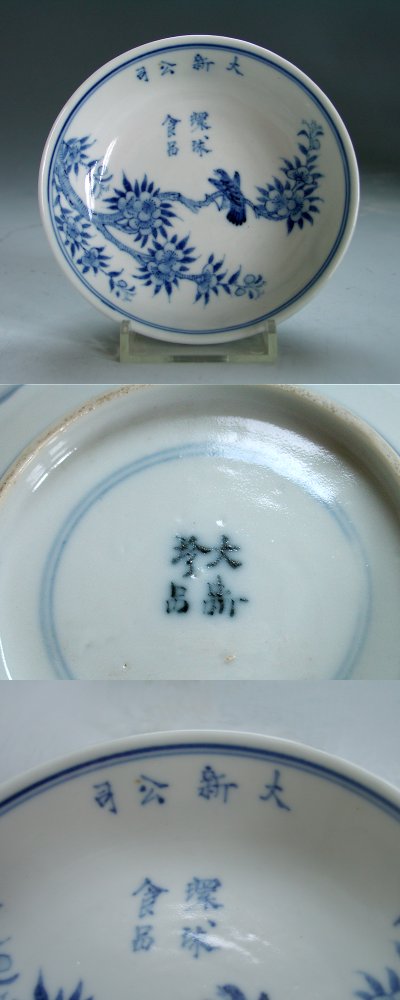 Click here to see large picture
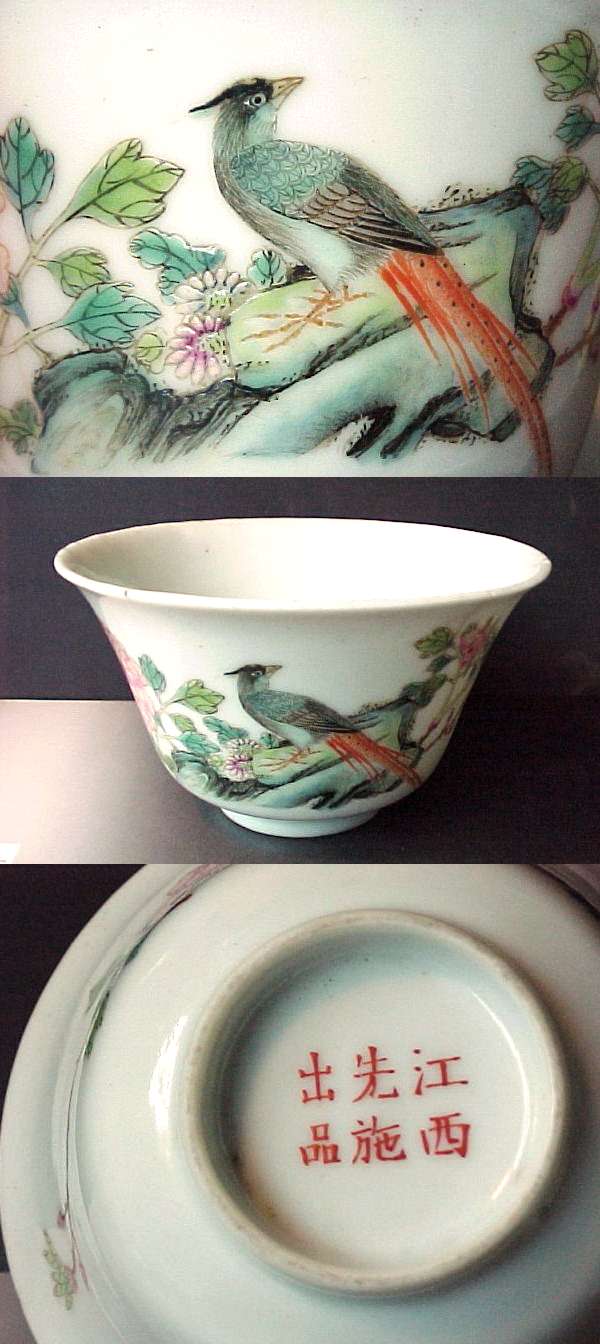 Click here to see large picture
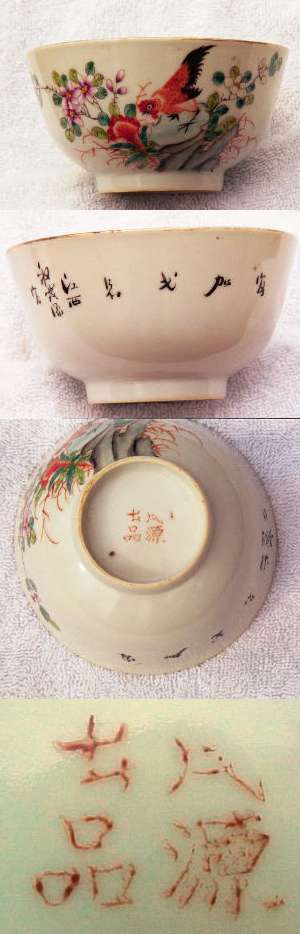 Click here to see large picture
 Click here to see large picture
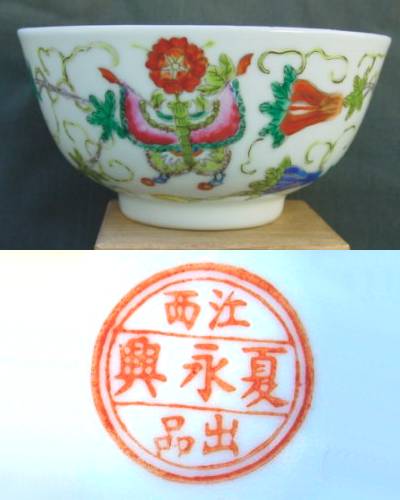 Click here to see large picture
 Click here to see large picture
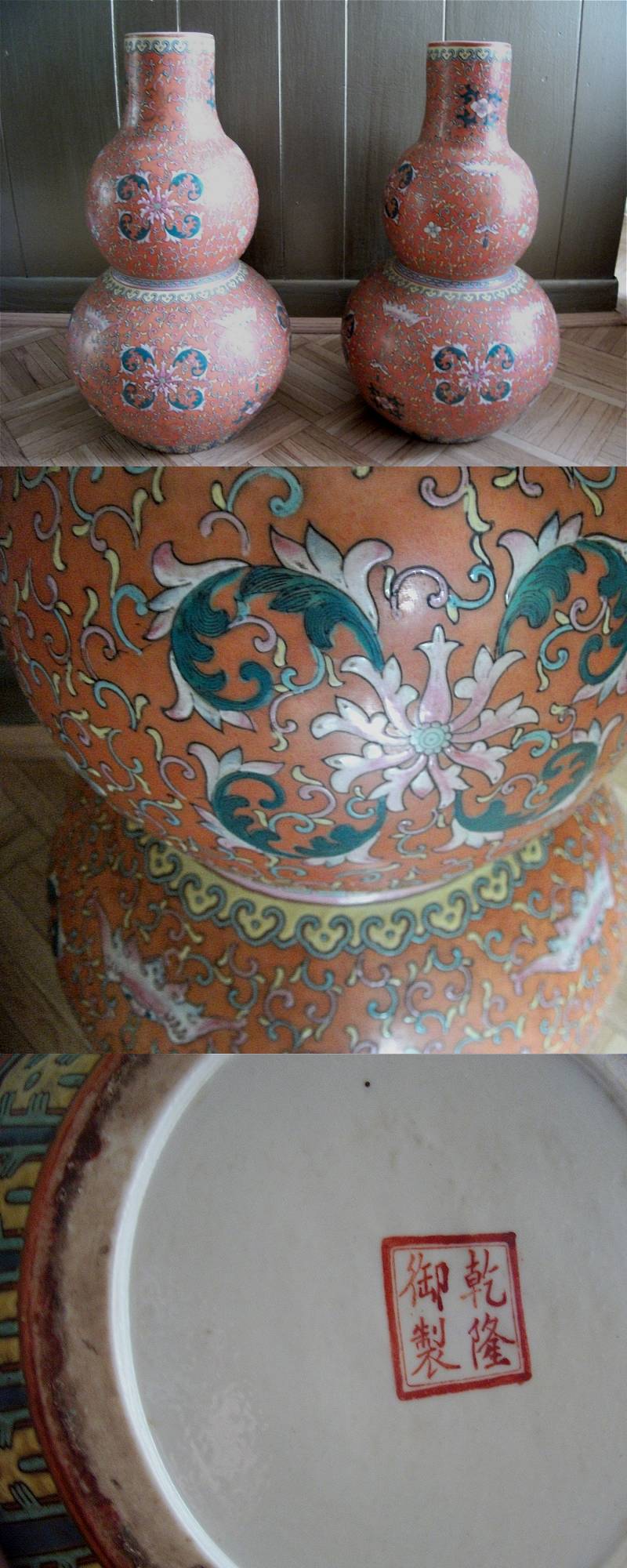 Click here to see large picture
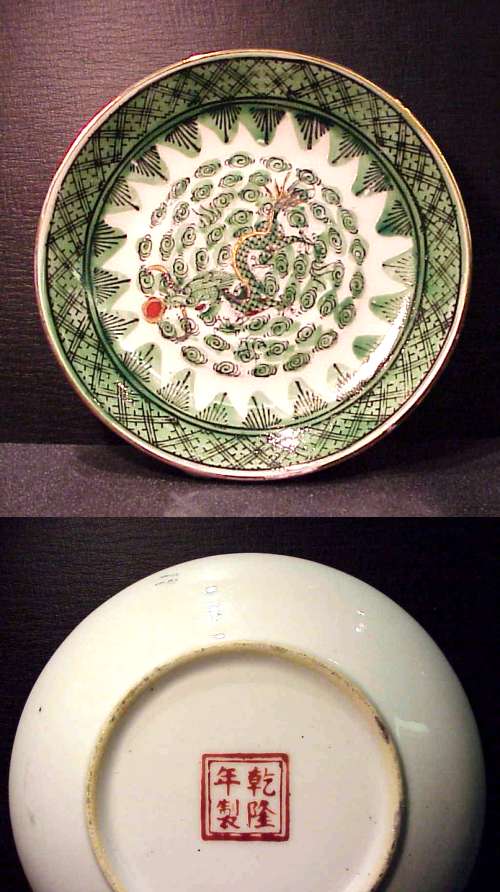 Click here to see large picture
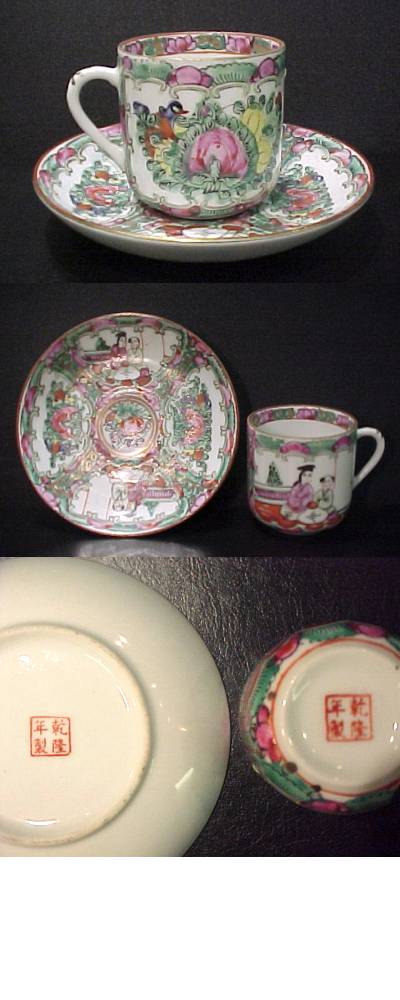 Click here to see large picture
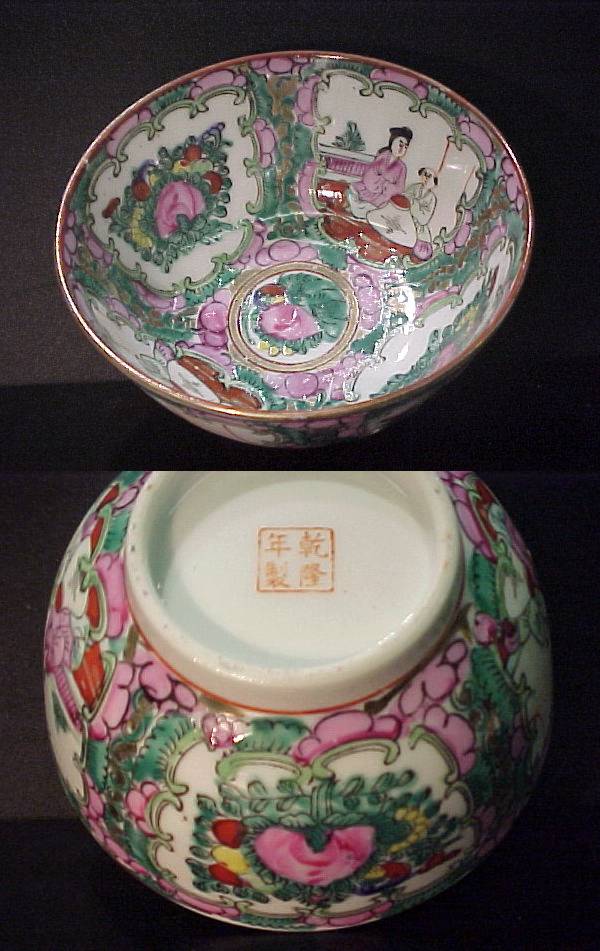 Click here to see large picture
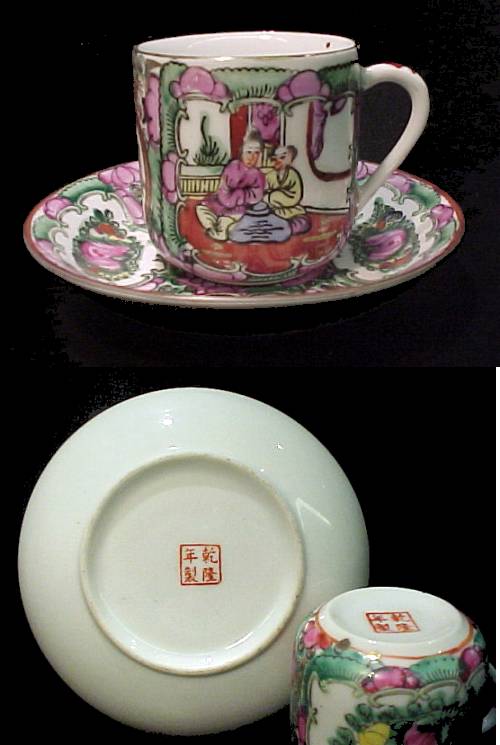 Click here to see large picture
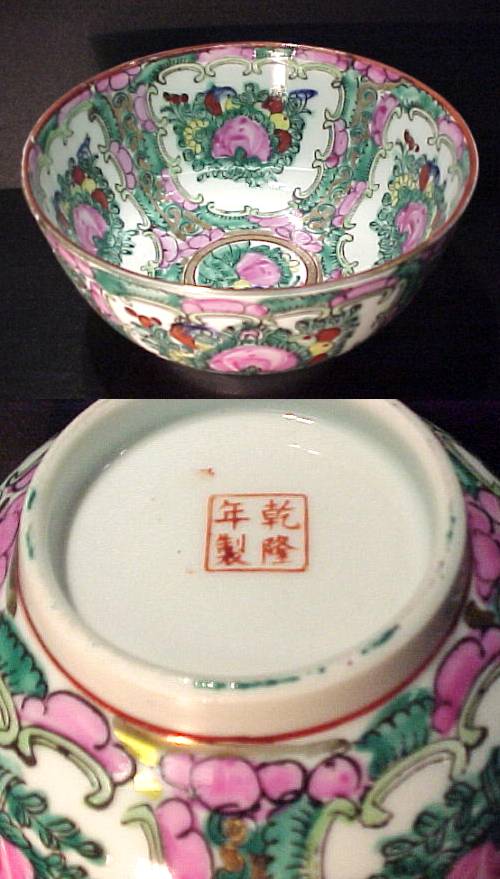 Click here to see large picture
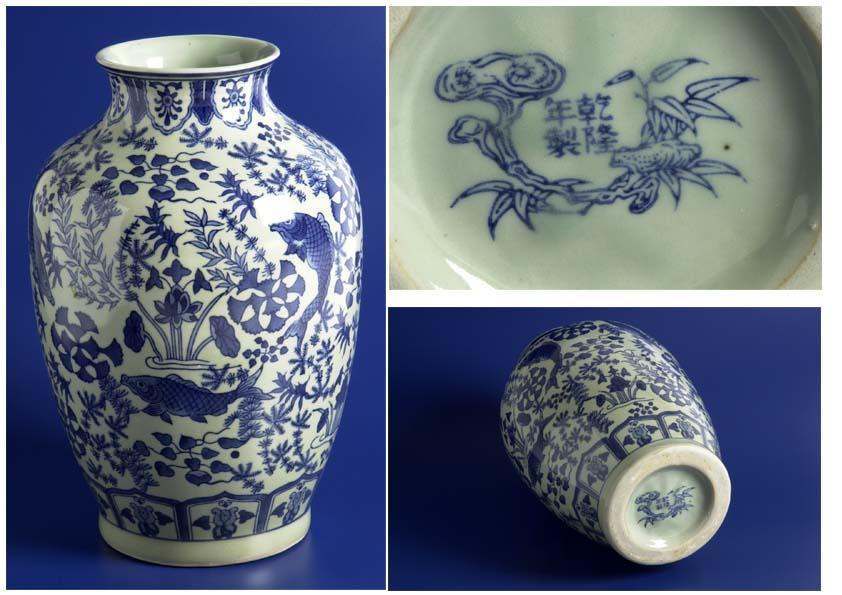 Click here to see large picture
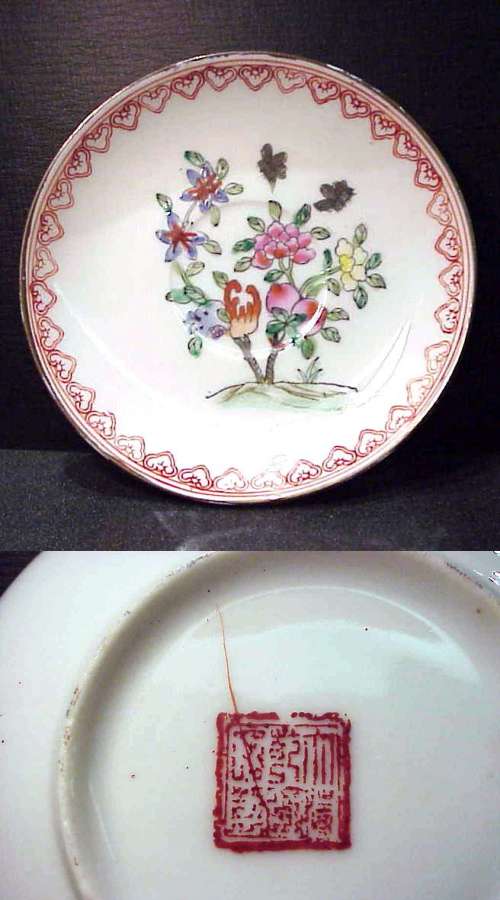 Click here to see large picture
 Click here to see large picture
 Click here to see large picture
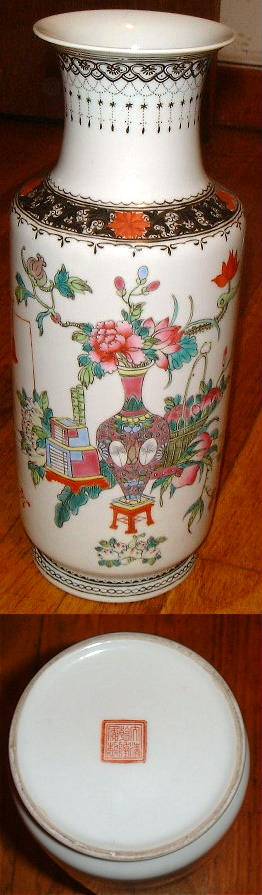 Click here to see large picture
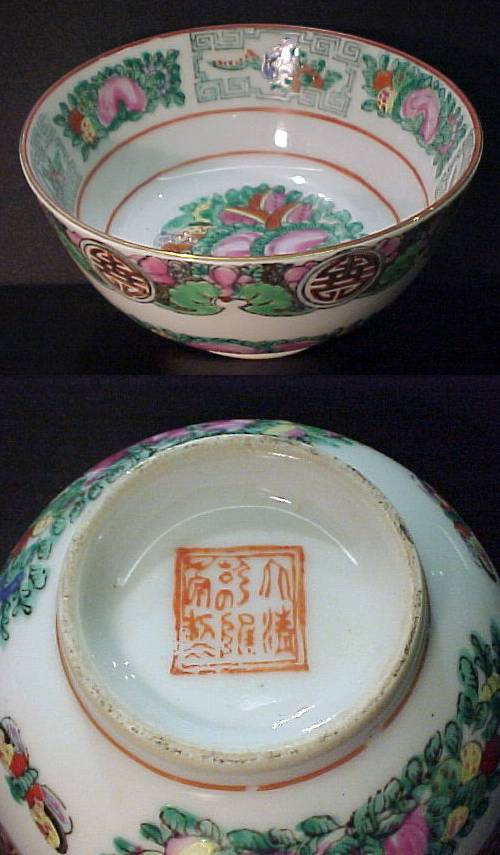 Click here to see large picture
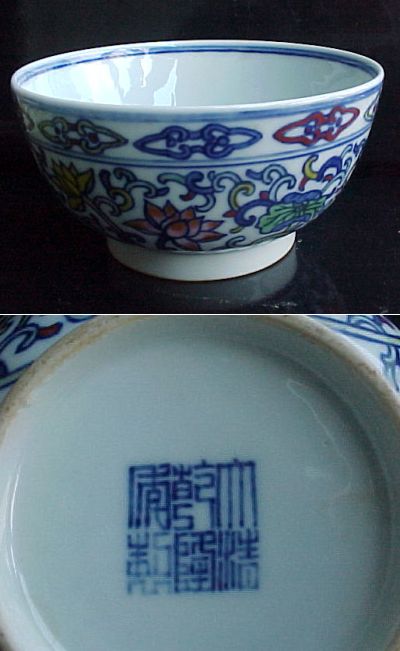 Click here to see large picture
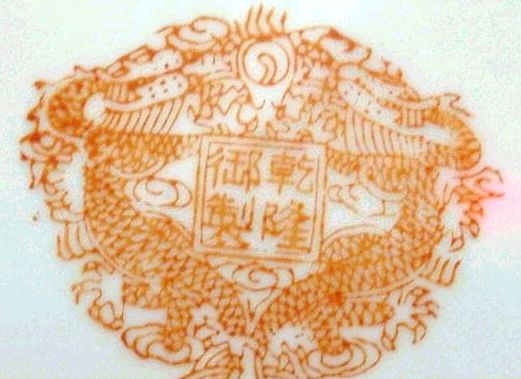 Click here to see large picture
 Click here to see large picture
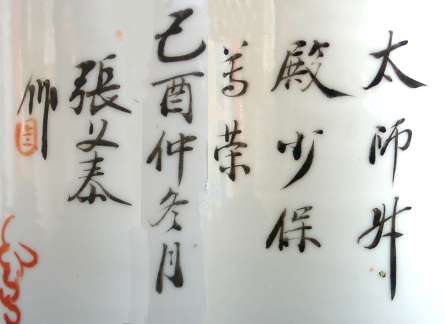 Click here for a close-up of the caligraphy
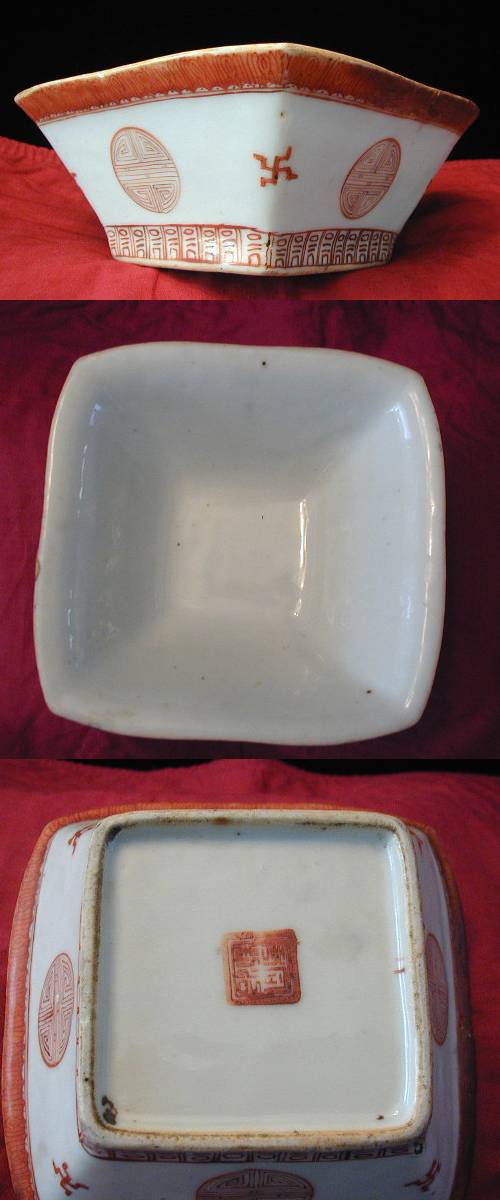 Click here to see large picture
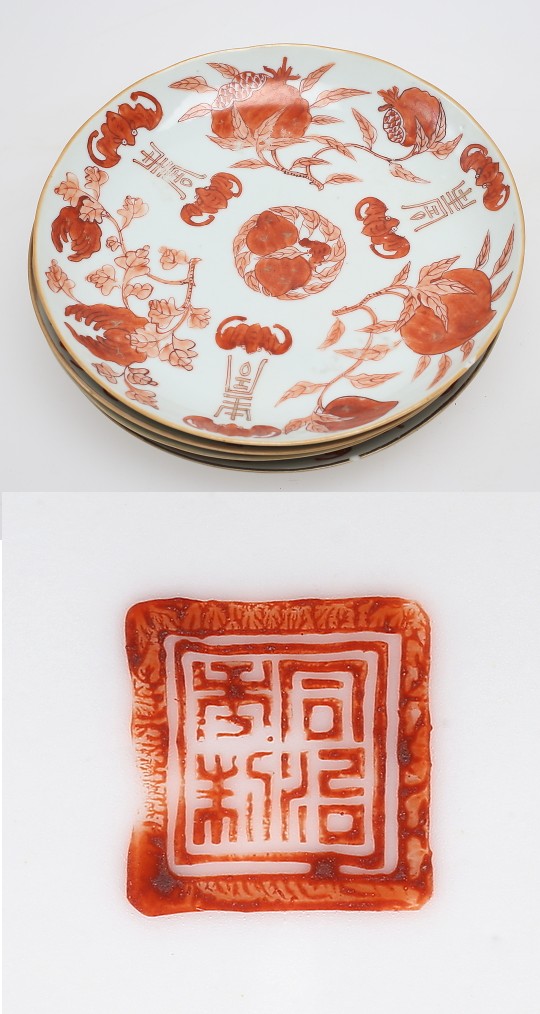 Click here to see large picture
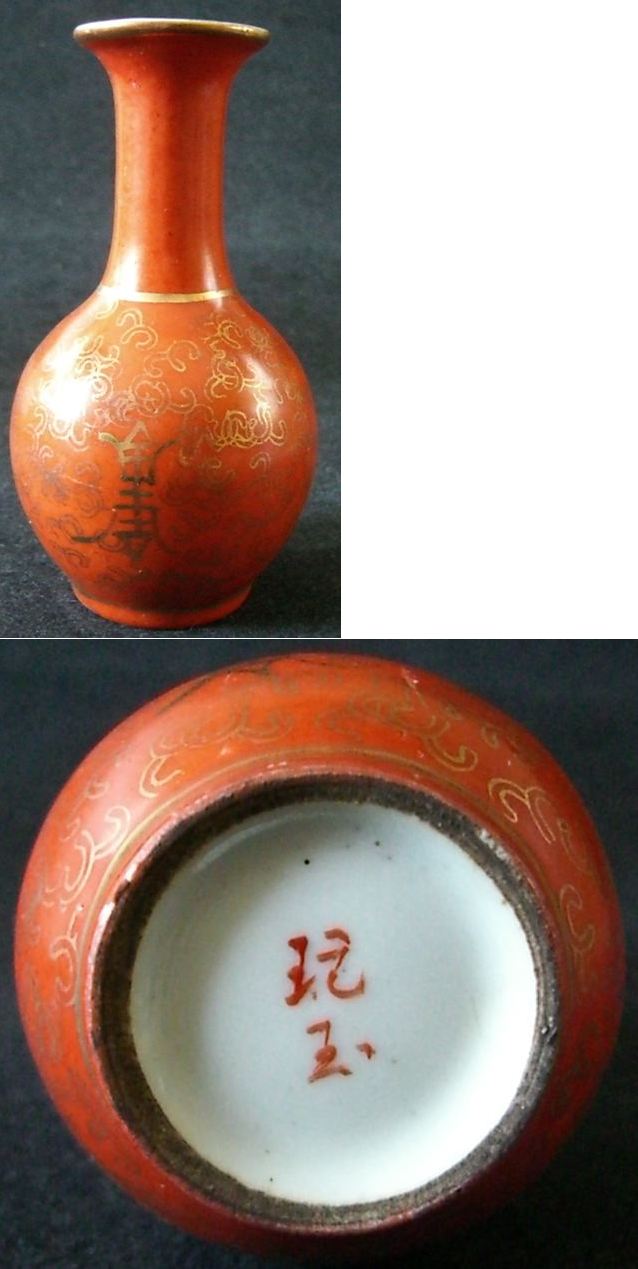 Click here to see large picture
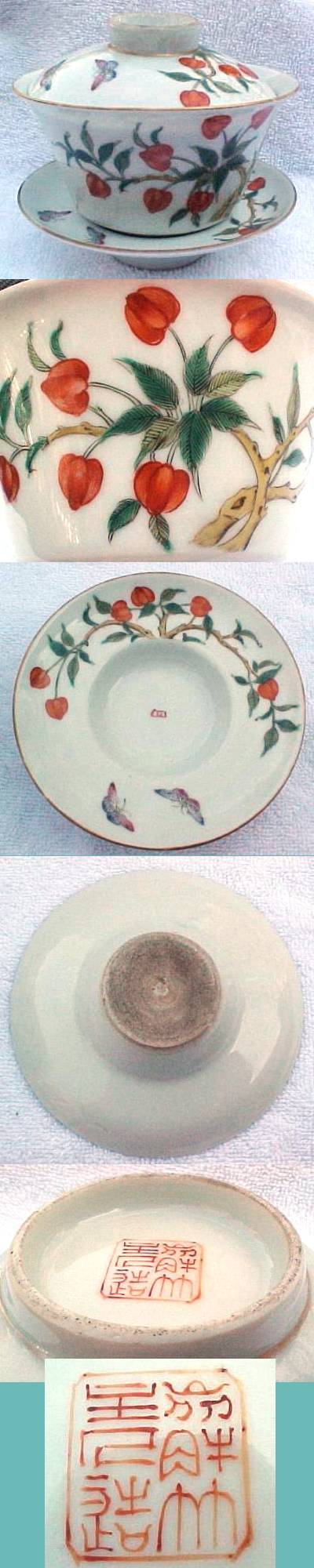 Click here to see large picture
 Click here to see large picture
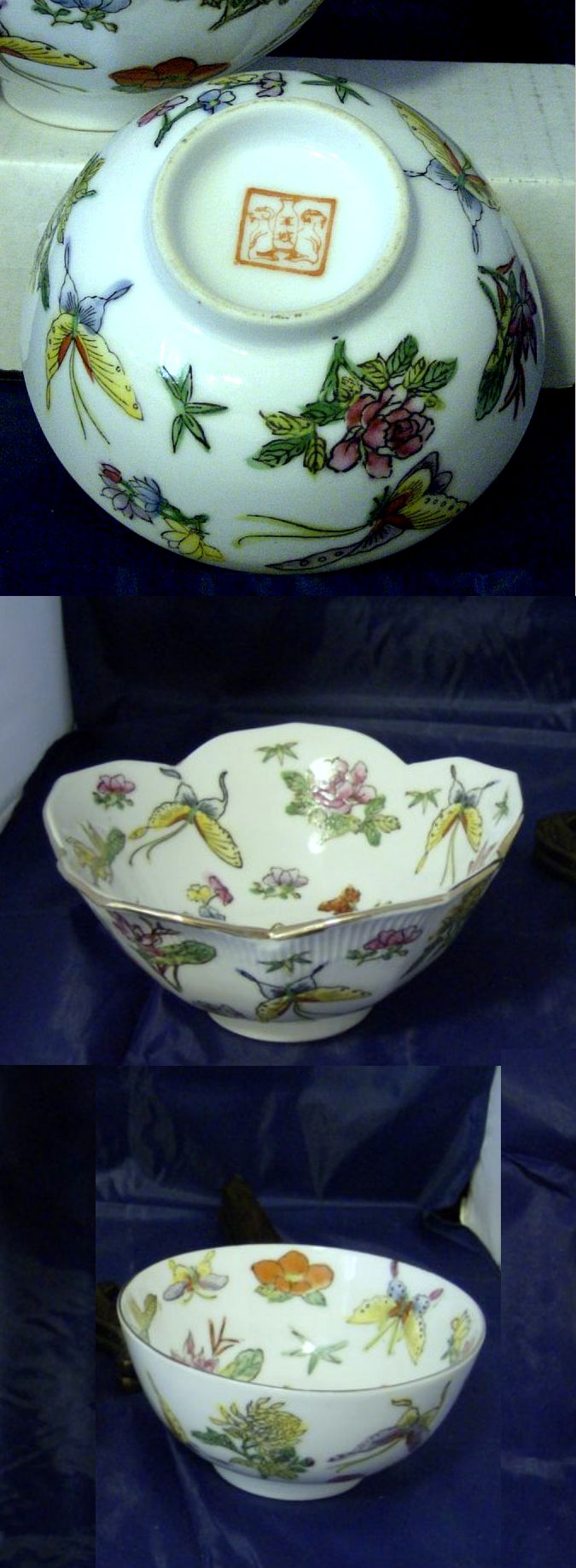 Click here to see large picture
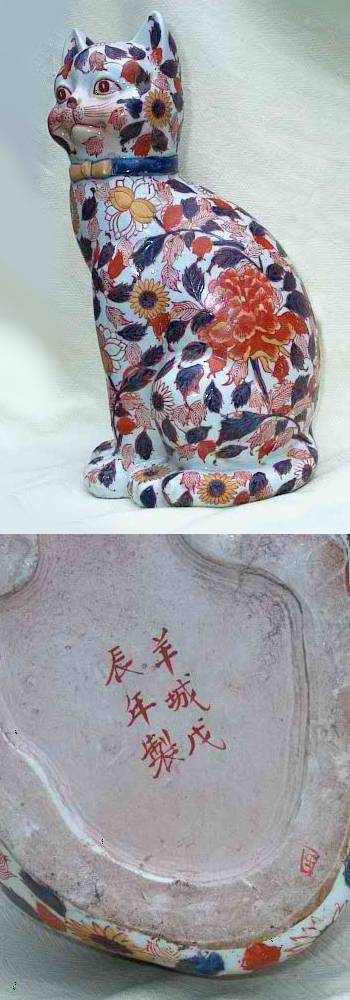 Click here to see large picture
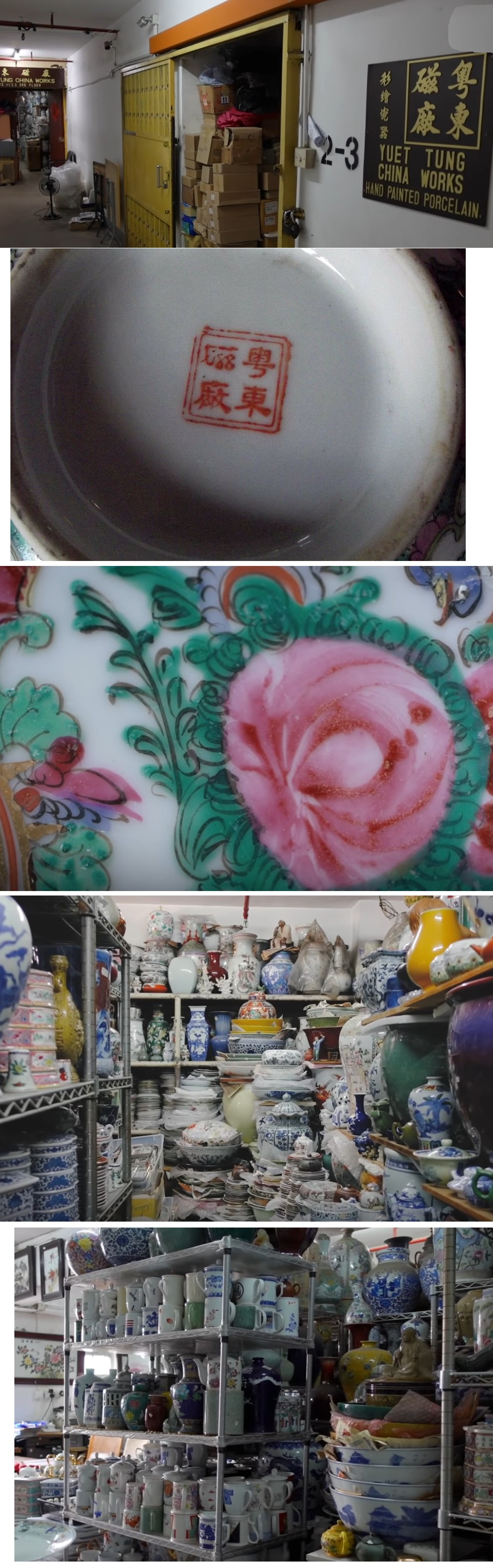 Click here to see pictures from the workshop in 2020
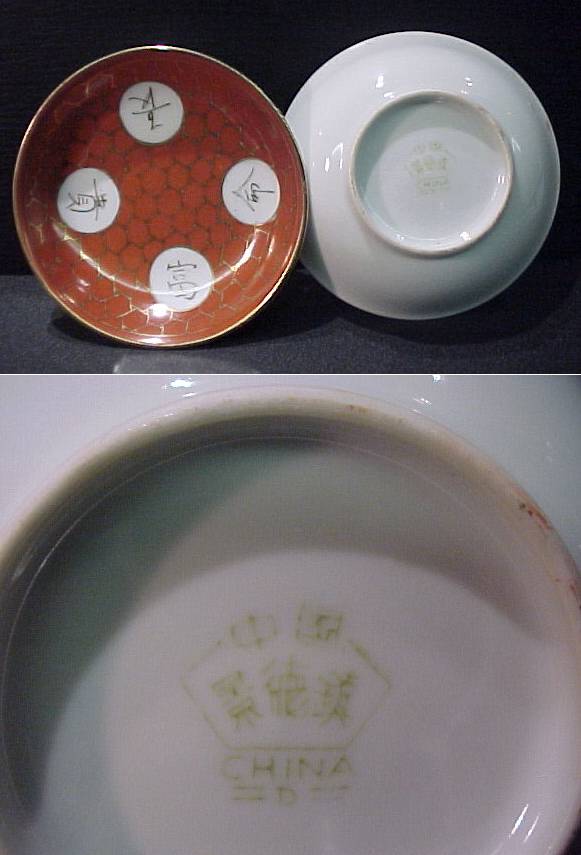 Click here to see large picture
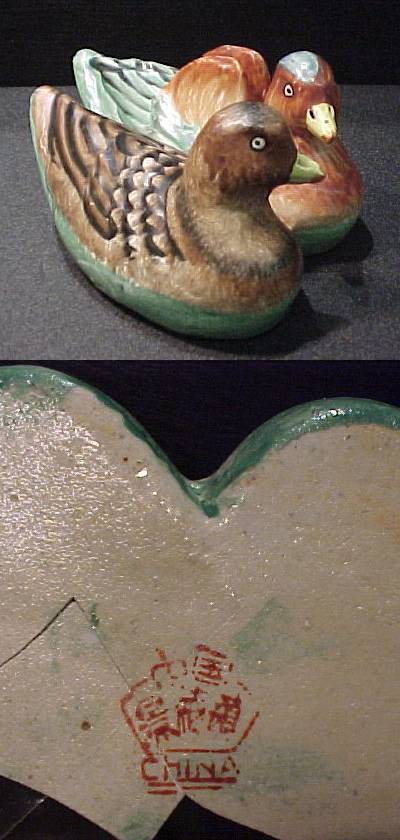 Click here to see large picture
 Click here to see large picture
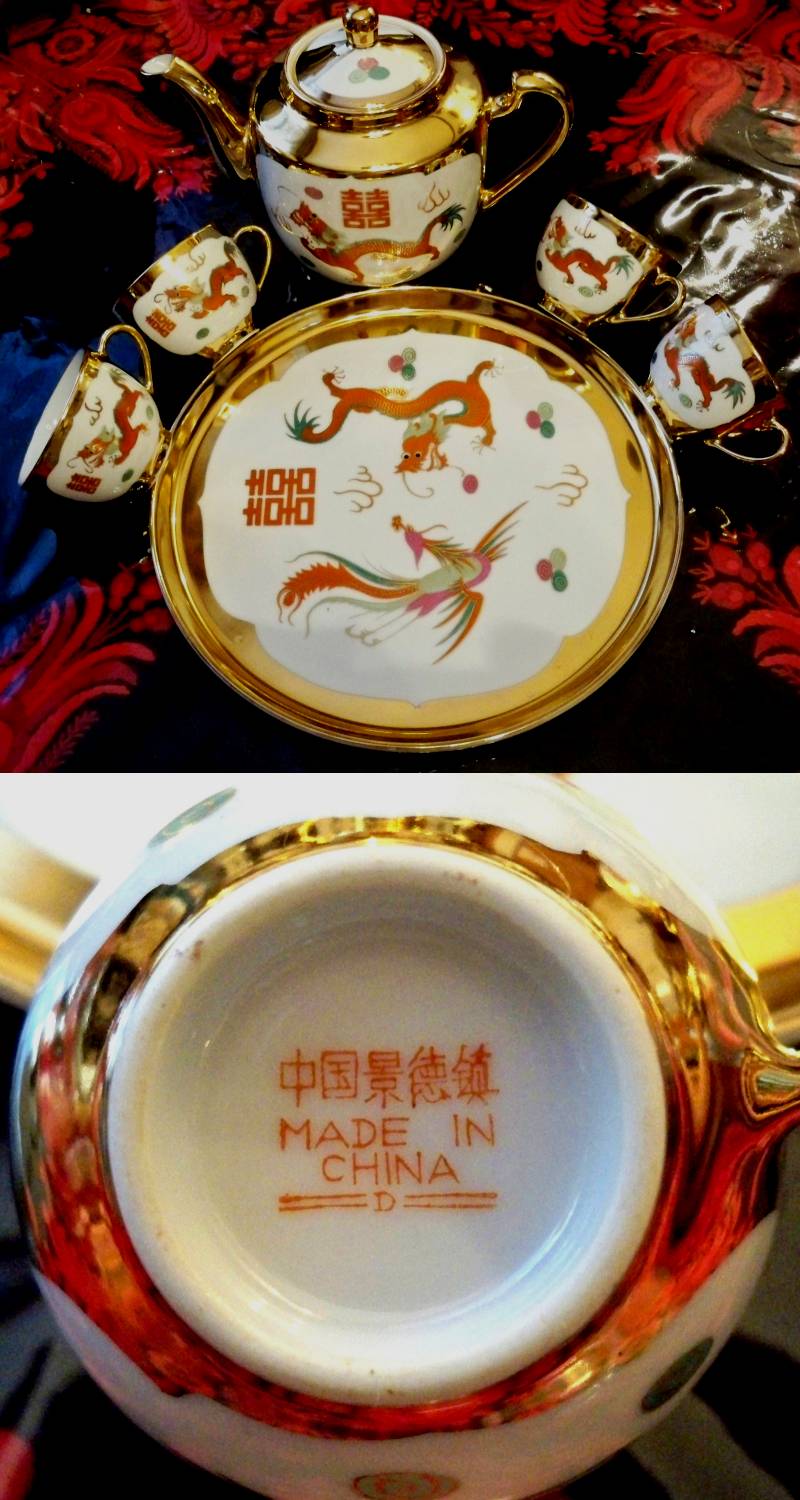 Click here to see large picture
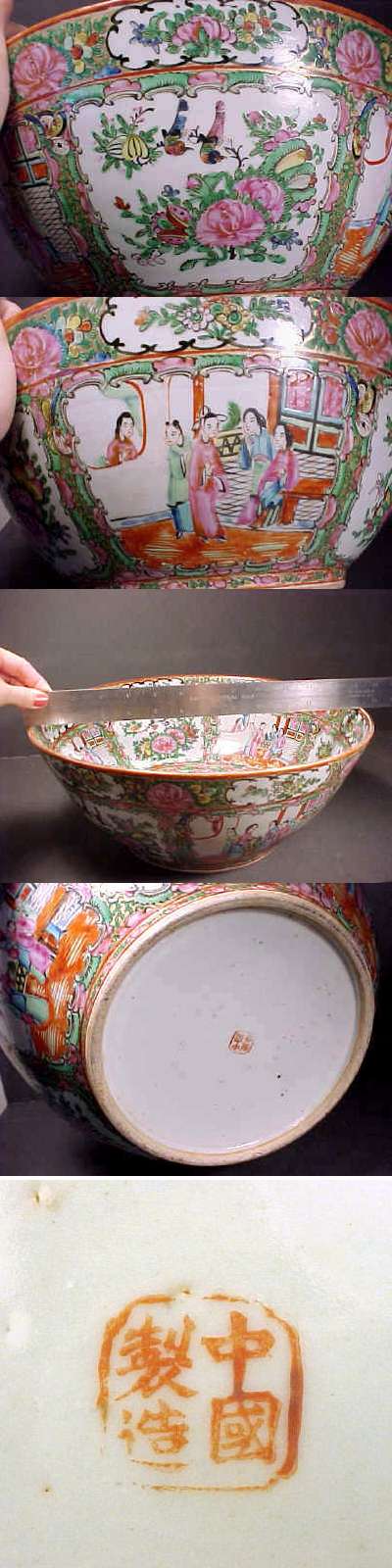 Click here to see large picture
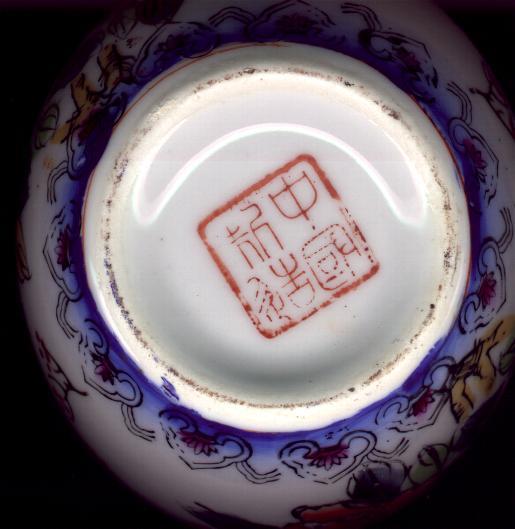 Click here to see large picture
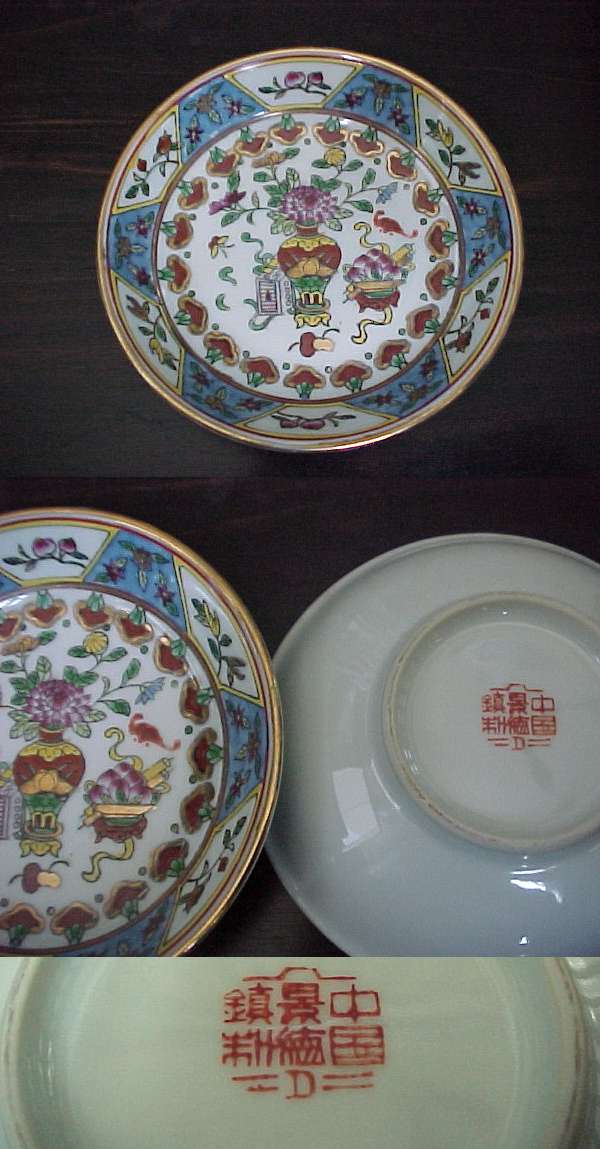 Click here to see large picture
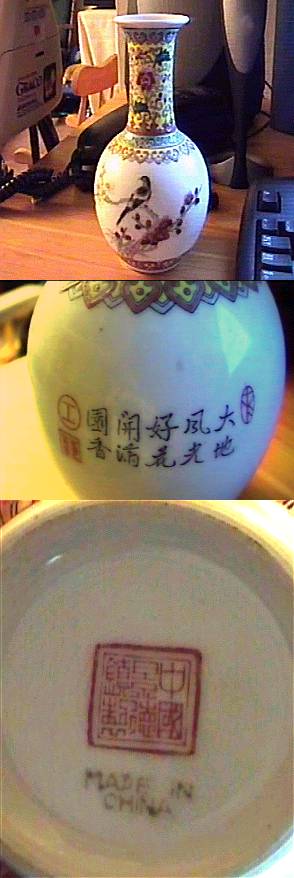 Click here to see large picture
 Click here to see large picture
 Click here to see large picture
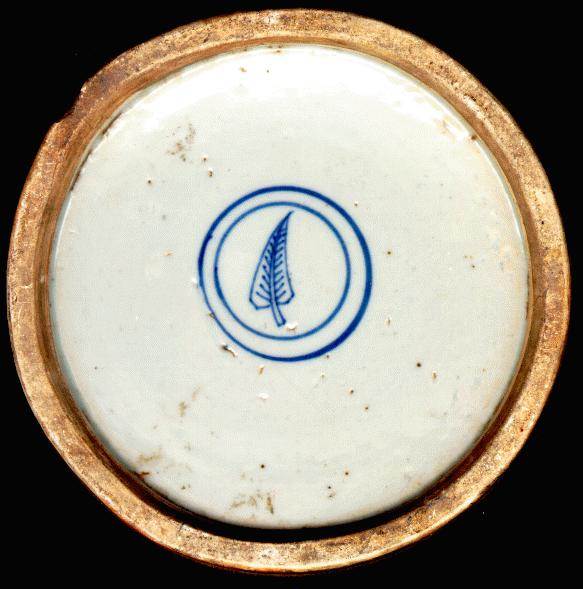 Click here to see large picture
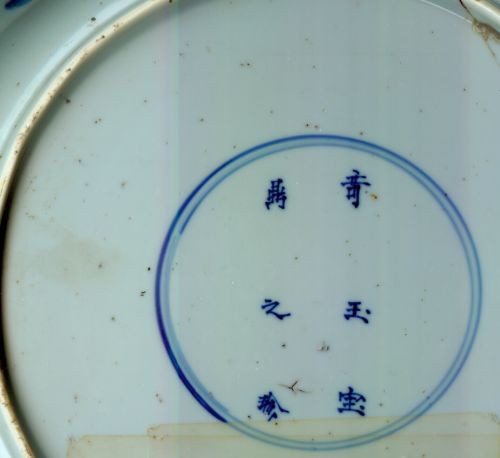 Click here to see large picture
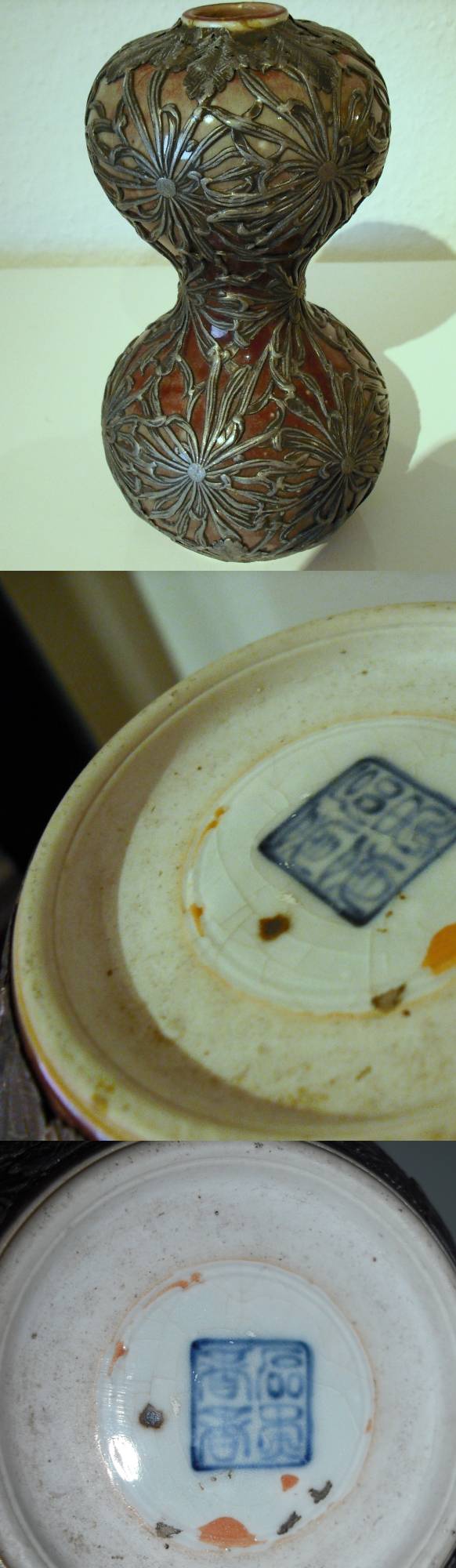 Click here to see large picture
 Click here to see large picture
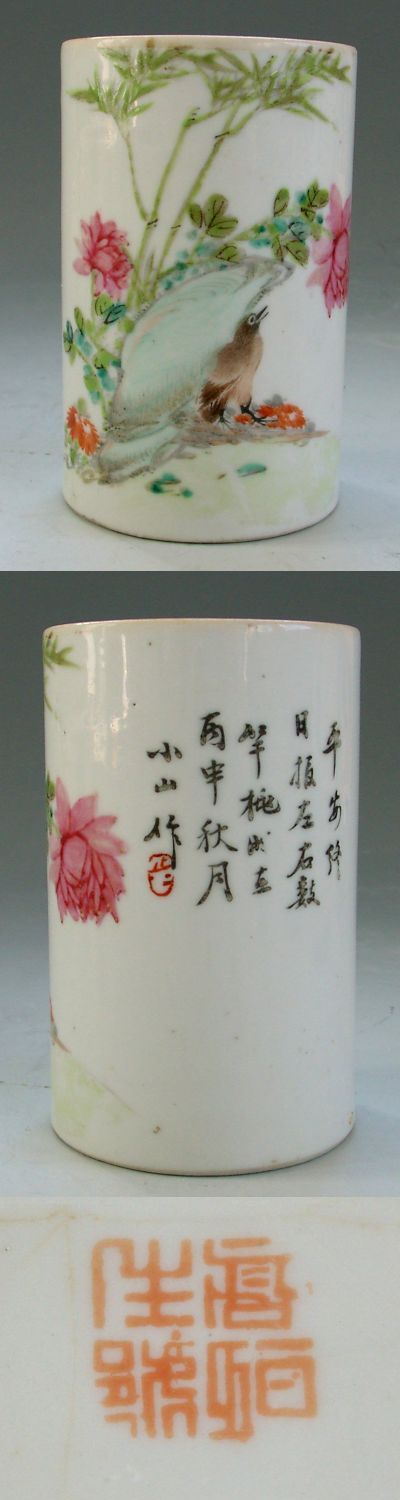 Click here to see large picture
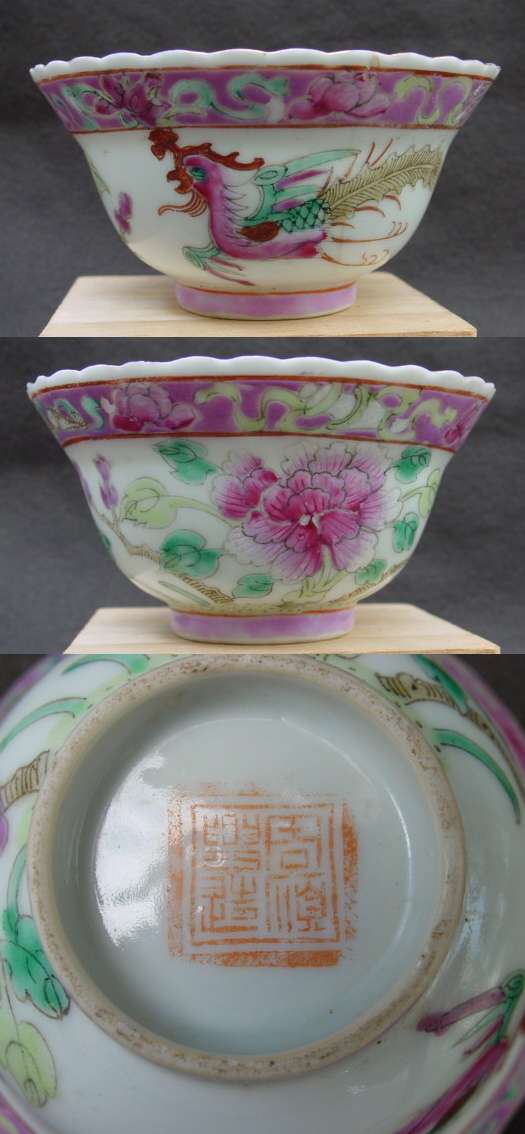 Click here to see large picture
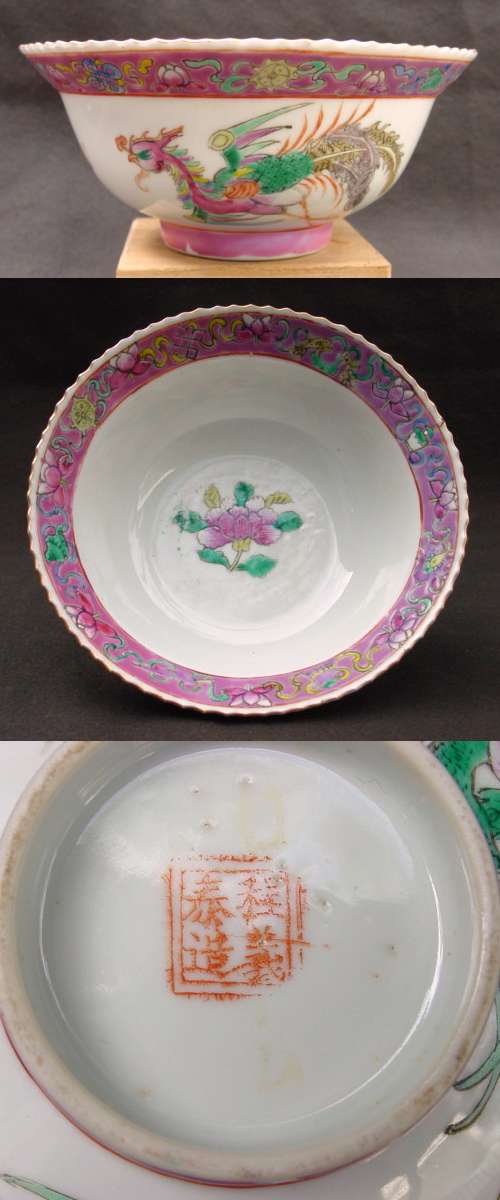 Click here to see large picture
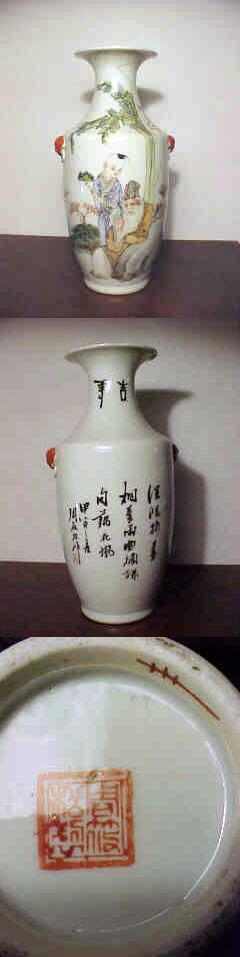 Click here to see large picture
 Click here to see large picture
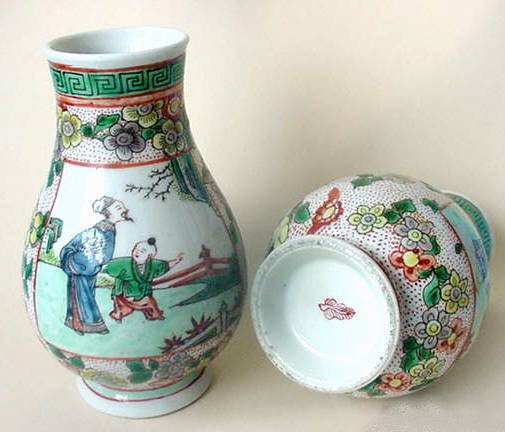 Click here to see large picture
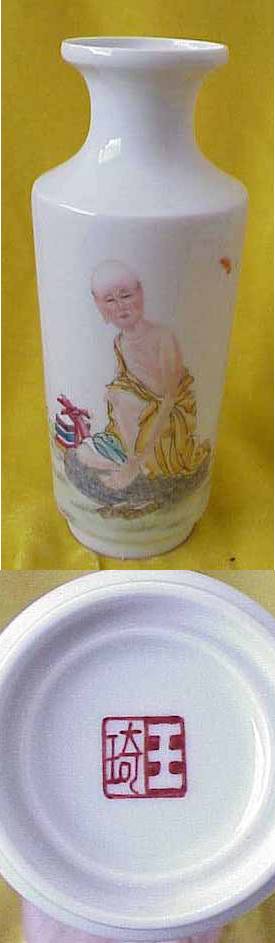 Click here to see large picture
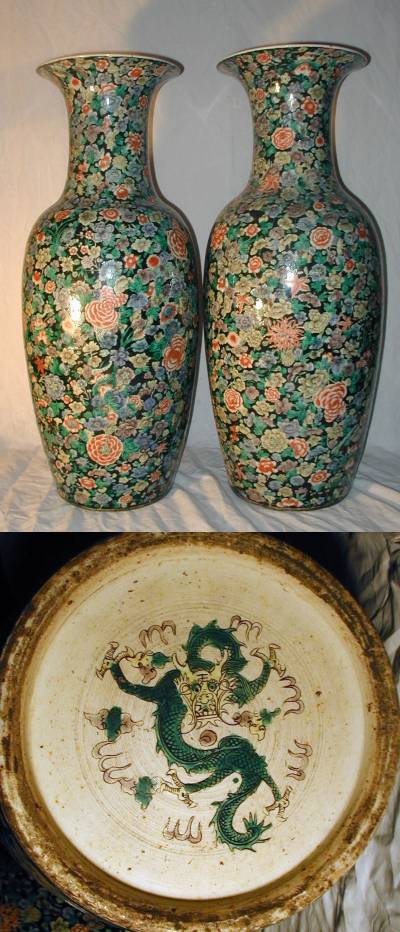 Click here to see large picture